

 English
 Español
 عربى
عربى

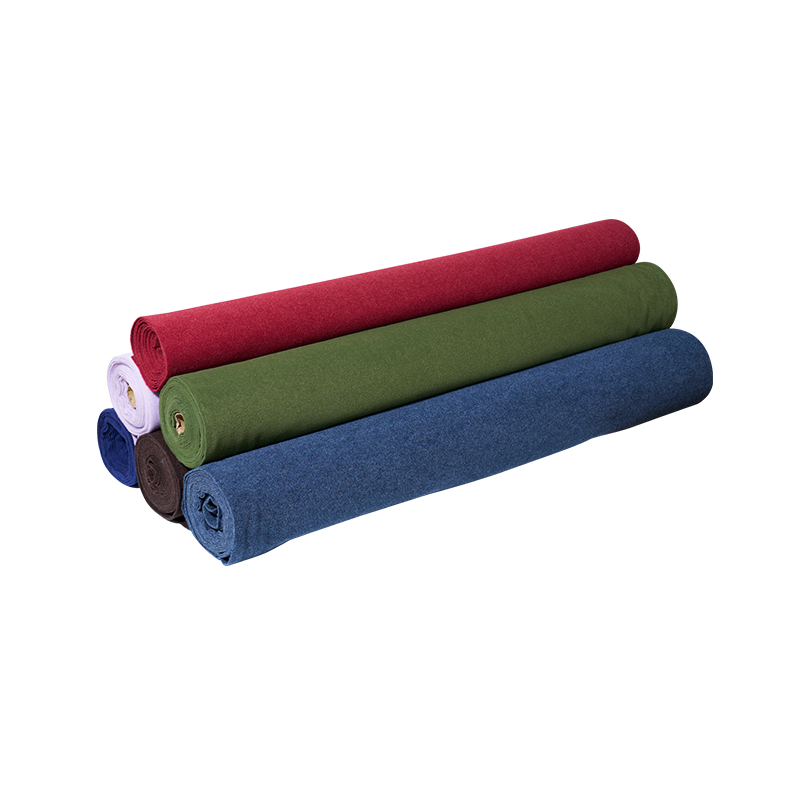
In recent years, Needle Punched Non Woven Fabric has become a widely used material across multiple industries, including automotive manufacturing, filtration systems, and construction projects. Its popularity stems from a combination of mechanical strength, adaptable properties, and versatile applications. The global market for needle punched nonwoven fabrics reached an estimated USD 3.8 billion in 2024, driven by demand in sectors requiring durability, lightweight solutions, and efficient performance.
Automotive Applications
One significant area for needle punched nonwoven fabric is automotive interiors. The material is used in vehicle carpet backings, insulation pads, headliners, and trunk liners. Compared with woven textiles, these fabrics offer weight reduction, sound absorption, and thermal stability, contributing to fuel efficiency and cabin comfort. Both polyester and polypropylene fibers are commonly employed due to their tensile strength and resistance to long-term wear, making them suitable for components that must withstand repeated stress and environmental changes.
Automakers increasingly rely on needle punched fabrics to meet design requirements while maintaining cost efficiency. The fabrics’ flexibility allows them to be shaped and layered in a variety of configurations, supporting both aesthetic and functional needs in modern vehicles.
Filtration and Industrial Use
Needle punched nonwoven fabrics are also integral to filtration systems for air and liquids. Their unique structure allows fibers to be densely interlocked, creating customizable pore sizes that capture particles effectively. This makes them ideal for industrial dust collection, HVAC systems, and water treatment applications. The fabrics maintain performance under high air velocities and varying temperature conditions, which is crucial for consistent filtration in demanding industrial environments.
Additionally, needle punched fabrics can be engineered to handle fine particulates, supporting high-efficiency filtration standards without requiring complex chemical treatments. Their durability and resistance to mechanical stress further enhance their suitability for heavy-duty applications.
Construction and Geotextiles
In construction, needle punched nonwoven fabrics are used as geotextiles, drainage layers, and insulation materials. Their strong interlocking fiber network provides resistance to tears and punctures, making them valuable for soil stabilization, moisture management, and roadbed reinforcement. The fabrics can be customized in terms of weight, density, and permeability to meet specific civil engineering needs. This adaptability makes them a reliable way for infrastructure projects that require long-lasting materials capable of withstanding environmental stresses.
The construction sector increasingly favors needle punched fabrics for applications where durability, flexibility, and performance are critical. They can be incorporated into retaining walls, landscaping layers, and embankments to enhance structural stability and manage water flow effectively.
Market Insights
Polyester-based Needle Punched Non Woven Fabrics account for a substantial portion of the market, representing around 40 % of global usage. They offer a balance of strength, durability, and cost-effectiveness. Regional demand shows strong growth in Asia-Pacific due to industrial and construction activity, while North America and Europe also maintain significant market shares driven by industrial filtration and automotive applications.
Frequently Asked Questions
What is needle punched nonwoven fabric?
It is a nonwoven material produced by mechanically entangling fibers with barbed needles, forming a cohesive fabric without weaving or knitting.
Which industries use it most?
Automotive interiors, industrial filtration systems, and construction geotextiles are primary users of needle punched fabrics.
What materials are commonly used?
Polyester and polypropylene are the most common fibers due to their strength, thermal stability, and cost efficiency.
Can these fabrics be customized?
Yes. Fabric weight, density, and fiber type can be adjusted to meet specific performance requirements for different applications.
Are needle punched fabrics recyclable?
Many can be recycled, particularly those made from single-fiber types like polyester or polypropylene, although recycling options vary by region.