


 English
 Español
 عربى
عربى
In today’s competitive manufacturing environment, companies are looking for materials that can improve product performan...
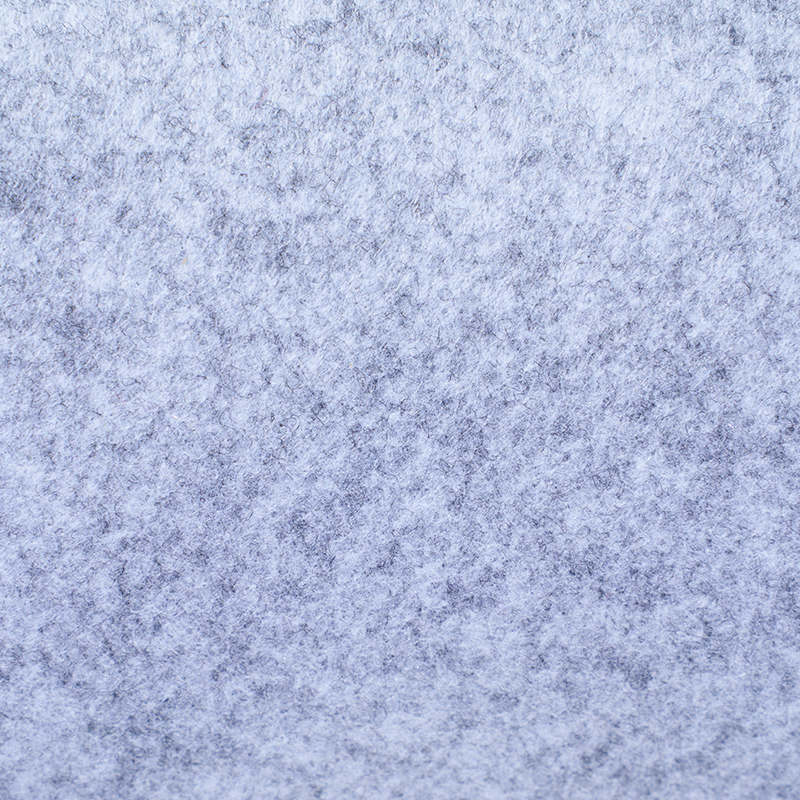
Imitation leather needle-punched non-woven fabric is a material specially used for the base of artificial leather (synthetic leather). It uses a needle punching process to reinforce the fibers, and then undergoes a special raising treatment to produce a fuzz-like feel on the surface similar to the inner layer of genuine leather.
Its biggest advantage is that it imitates the texture of real leather. Ordinary non-woven fabrics have a smooth surface, while imitation leather has a uniform layer of short fluff on the surface after being raised, making it soft to the touch, skin-friendly, and has good breathability.
Main advantages
Main purpose
It is mainly used as a lining material for bags, shoes, furniture, and other products. For example, the furry lining inside the leather shoes or bag you buy is probably imitation leather, needle-punched non-woven fabric.
In today’s competitive manufacturing environment, companies are looking for materials that can improve product performan...
Global buyers are placing greater emphasis on material performance, supply chain stability, and long-term value rather t...
Felt Non Woven Fabric is often used in automotive interior systems as a functional insulation layer, while Water-Based I...
Water-Based Imitation Microfiber has become a focus in the material science and textile industries as companies pursue m...
Imitation leather non-woven fabric is a synthetic material designed to resemble natural leather while offering enhanced versatility and cost-effectiveness. It is made by bonding fibers together through heat, pressure, or adhesives, creating a durable, flexible, and uniform surface. This fabric combines the aesthetic appeal of leather with the lightweight and easy-to-handle properties of non-woven textiles. Commonly used in fashion accessories, upholstery, automotive interiors, and crafting, it provides resistance to wear and tear while maintaining a stylish appearance. Its ease of cutting, shaping, and stitching makes it suitable for both industrial applications and creative projects.
Water-based imitation microfiber is a type of synthetic fabric designed to replicate the appearance and feel of natural suede or leather while using environmentally friendly production methods. It is made by combining ultra-fine polyester or nylon fibers with a water-based adhesive system, forming a soft, uniform, and durable material. This process reduces the use of harmful chemicals, making the fabric more sustainable compared to traditional solvent-based options.
The fabric is known for its smooth texture, flexibility, and lightweight nature. It is commonly used in fashion, accessories, furniture, and automotive interiors, where a high-quality finish is desired. Its water-based composition makes it easy to dye in various colors and patterns, allowing designers to achieve creative and consistent results. Additionally, the material demonstrates resistance to abrasion and stretching, ensuring it maintains its appearance over time.
Water-based imitation microfiber is also practical for crafting and industrial applications. It can be easily cut, sewn, or glued, providing versatility for both large-scale production and smaller creative projects. The fabric’s soft surface and consistent quality make it suitable for products that require comfort and aesthetic appeal, such as handbags, jackets, and interior panels.
Overall, water-based imitation microfiber offers a balance between style, functionality, and environmental responsibility. Its combination of durability, design flexibility, and user-friendly handling makes it an adaptable material for a wide range of applications.
Faux leather nonwoven fabric is a synthetic textile created to mimic the appearance and texture of genuine leather while offering practical benefits. It is produced by bonding fibers together with adhesives and compressing them to form a smooth, consistent surface. This method results in a lightweight yet durable material suitable for many applications.
The fabric is widely used in upholstery, fashion, automotive interiors, and crafting. Its nonwoven structure provides cushioning, flexibility, and resistance to wear, making it ideal for products that require both durability and comfort. Faux leather nonwoven fabric can be easily cut, sewn, or shaped, offering versatility for designers and manufacturers.
In addition to its practical properties, this material allows for various finishing options, including embossing, coloring, and coating, enabling diverse aesthetic effects. It is resistant to cracking, stretching, and surface damage, ensuring longevity in everyday use. Environmentally conscious production methods can also reduce the reliance on harmful chemicals, making the fabric a more sustainable alternative to traditional leather.
Faux leather nonwoven fabric combines style, functionality, and adaptability. Its ability to replicate leather’s look and feel while remaining lightweight, flexible, and easy to handle makes it suitable for both creative projects and industrial uses. The material’s versatility ensures it can meet the needs of various applications without compromising quality or appearance.

Social Info
© 2025 Pingyang Shengxing Non-woven Fabric Co., Ltd.
Imitation Leather Non-Woven Fabric Producer
