


 English
 Español
 عربى
عربى
As industries continue to focus on material efficiency, product durability, and flexible manufacturing, global buyers ar...
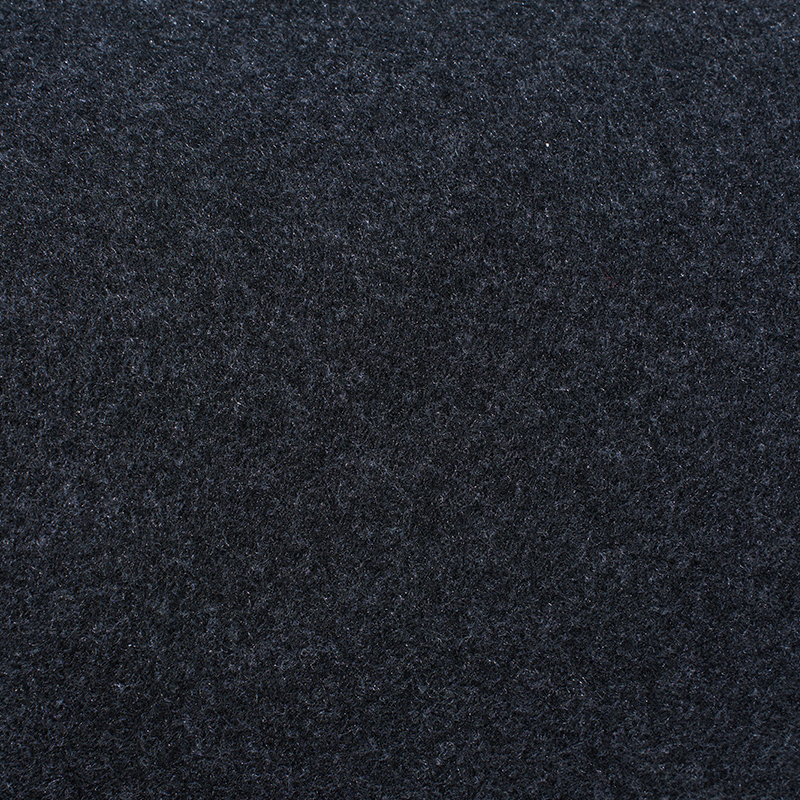
Needle-punched non-woven fabric is a non-woven material made of fiber webs reinforced by mechanical needle punching. Its advantages are mainly concentrated in the following aspects: stable structure, high strength, good filterability, and controllable cost.
1. Stable structure and high strength
The needle punching process repeatedly punctures the fiber web with thousands of barbed needles, causing the fibers to entangle and cling to each other to form a three-dimensional structure. This structure is more fluffy than traditional textile fabrics, has small vertical and horizontal strength differences, is not easily deformed, and has good tear resistance.
2. Excellent filtration performance
Due to the three-dimensional staggered arrangement of the fibers, a large number of tiny pores are formed inside. This structure can not only effectively intercept dust particles (high filtration efficiency), but also has large porosity and good air permeability, and has low resistance when fluid passes through, making it difficult to block. Therefore, it is the preferred material for industrial dust removal and air filtration.
3. Cost and process advantages
4. Application scenarios
As industries continue to focus on material efficiency, product durability, and flexible manufacturing, global buyers ar...
As global manufacturers continue to improve product performance and supply chain efficiency, material selection has beco...
With growing demand for functional materials in healthcare, filtration, automotive, hygiene, and industrial applications...
In today’s competitive manufacturing environment, companies are looking for materials that can improve product performan...
Felt non-woven fabric is a versatile textile made by compressing and matting fibers together without weaving or knitting. Typically produced from natural fibers like wool or synthetic fibers such as polyester, this fabric is known for its dense structure and durability. Its unique manufacturing process gives it good insulation, cushioning, and sound-absorbing properties, making it ideal for applications in clothing, accessories, home furnishings, and industrial uses. Felt non-woven fabric is also easy to cut, shape, and sew, offering designers flexibility in creative projects. Lightweight, yet sturdy, it combines functionality with aesthetic appeal.
Nonwoven felt sheets are a type of textile made by bonding fibers together without weaving or knitting. The fibers can be natural, synthetic, or a combination, and they are usually compressed through heat, pressure, or chemical treatments to form a dense, uniform material. This production method gives nonwoven felt sheets a unique combination of strength, flexibility, and softness.
These sheets are widely used in various industries due to their versatility. In crafting and DIY projects, nonwoven felt sheets are popular for creating decorative items, toys, and educational materials because they are easy to cut, shape, and glue. In the industrial sector, they serve as padding, insulation, and protective layers in machinery or packaging, thanks to their cushioning and sound-absorbing properties. Additionally, nonwoven felt sheets can be treated to improve water resistance, flame retardancy, or durability, depending on their intended use.
One of the advantages of nonwoven felt sheets is that they are lightweight yet resilient, allowing them to maintain shape under pressure. They are also easy to store and handle, which adds to their practicality. Environmental considerations are becoming increasingly important, and many manufacturers now produce nonwoven felt sheets using recycled or sustainable fibers.
Overall, nonwoven felt sheets provide a balance between functionality and creativity. They are an adaptable material suitable for a wide range of applications, from home crafts to industrial solutions, offering both practical benefits and design possibilities for users of all kinds.
Polyester felt fabric is a durable textile made from synthetic polyester fibers that are matted and pressed together. Unlike woven fabrics, it does not require stitching to maintain its structure, giving it a smooth, dense texture. This characteristic makes polyester felt fabric both practical and versatile for multiple uses.
It is commonly used in apparel, accessories, and crafts due to its ability to hold shapes and resist fraying. Polyester felt fabric is also employed in industrial settings as padding, insulation, and protective lining for various equipment because of its strength and resistance to wear. Additionally, it can be dyed in a wide range of colors and finished with treatments to enhance water resistance or flame retardancy, which adds to its flexibility in applications.
One of the key advantages of polyester felt fabric is its lightweight nature combined with durability. It provides adequate cushioning and sound absorption, making it suitable for both decorative and functional purposes. The material is easy to cut, sew, and glue, which allows designers and makers to create complex shapes or patterns without specialized equipment.
Polyester felt fabric is low-maintenance and can be cleaned easily, making it suitable for long-term use in homes, offices, and factories. Its synthetic composition ensures consistent quality and performance, while also allowing for environmentally conscious production through recycled fibers.
In conclusion, polyester felt fabric is a practical, adaptable material. Its combination of strength, flexibility, and aesthetic potential makes it valuable in both creative and industrial applications.

Social Info
© 2025 Pingyang Shengxing Non-woven Fabric Co., Ltd.
China Felt Non Woven Fabric
