


 English
 Español
 عربى
عربى
In today’s competitive manufacturing environment, companies are looking for materials that can improve product performan...
Common Uses
This fabric has a wide range of applications because it possesses both an attractive "outer surface" (good looks) and a durable "inner lining":
In today’s competitive manufacturing environment, companies are looking for materials that can improve product performan...
Global buyers are placing greater emphasis on material performance, supply chain stability, and long-term value rather t...
Felt Non Woven Fabric is often used in automotive interior systems as a functional insulation layer, while Water-Based I...
Water-Based Imitation Microfiber has become a focus in the material science and textile industries as companies pursue m...
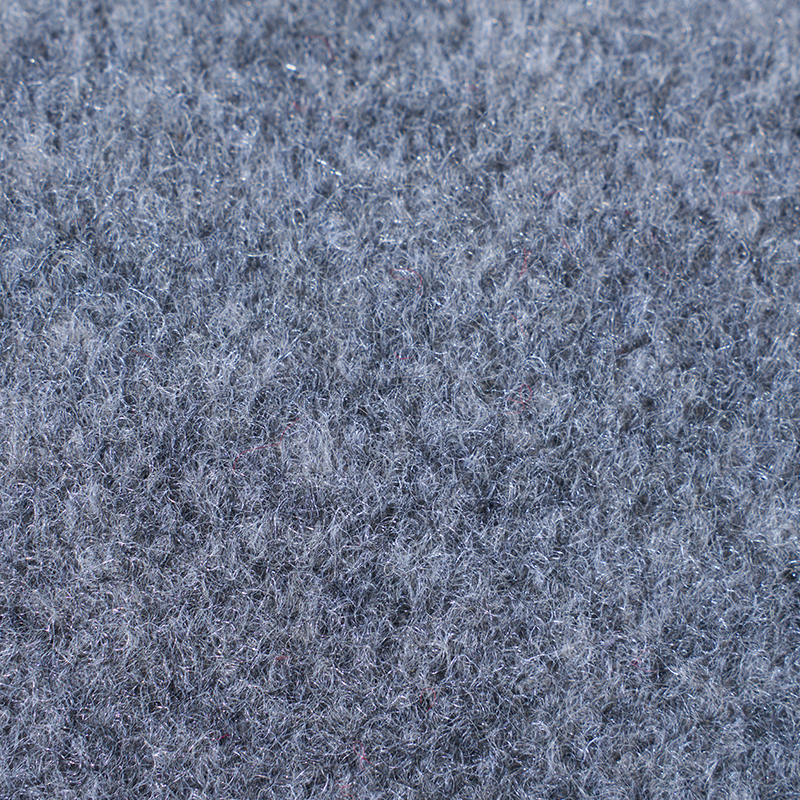
Raised Non-Woven Fabric is a type of textile created by mechanically or chemically treating fibers to produce a soft, textured surface. This process increases the fabric’s thickness, warmth, and aesthetic appeal while maintaining its lightweight and flexible nature. It is widely used in apparel, upholstery, home textiles, and industrial applications where a plush, comfortable surface is desired. The raised texture enhances insulation and provides a tactile, visually appealing finish. Available in various fiber compositions, including synthetic and natural blends, Raised Non-Woven Fabric combines durability, softness, and versatility, making it suitable for protective, decorative, and functional purposes across multiple industries.
Napped Nonwoven Fabric is a versatile textile created by raising the surface fibers through mechanical or chemical processes. This treatment produces a soft, fuzzy texture that enhances both the aesthetic and functional qualities of the fabric. The napped surface increases insulation, providing warmth and comfort in various applications.
This fabric is commonly used in apparel, home textiles, and industrial products. In clothing, it is valued for its softness against the skin and its ability to retain heat. In upholstery and home décor, napped nonwoven fabric offers a tactile, visually appealing finish that improves comfort and style.
The production of napped nonwoven fabric allows for flexibility in fiber selection. Natural, synthetic, or blended fibers can be used, offering a range of performance characteristics such as breathability, durability, and moisture management. Additionally, the fabric can be cut, shaped, and laminated to suit different manufacturing requirements.
Its combination of softness, structure, and adaptability makes napped nonwoven fabric suitable for both consumer and industrial products. From clothing linings and blankets to protective coverings and insulation materials, this textile provides a balance of comfort, functionality, and cost-effectiveness across a wide variety of applications.
Plush Nonwoven Fabric is a high-quality textile known for its soft, velvety surface and luxurious feel. The plush texture is created by raising fibers on the fabric surface, producing a dense, smooth, and uniform finish. This fabric is lightweight yet provides a warm and comfortable touch.
Plush Nonwoven Fabric is a soft, velvety textile with a raised surface that provides comfort and visual appeal. Lightweight yet warm, it is commonly used in home furnishings, clothing linings, and decorative applications. Made from synthetic or natural fibers, it combines durability, softness, and versatility for various uses.
It is widely used in home furnishings, fashion, and specialty industrial products. In home décor, plush nonwoven fabric is ideal for cushions, throws, and upholstery, adding both comfort and visual appeal. In clothing and accessories, it offers a soft and pleasant sensation against the skin, making it suitable for linings, winter wear, and decorative trims.
Plush nonwoven fabric can be manufactured from various fibers, including synthetic, natural, or blended materials. This versatility allows customization in terms of thickness, durability, and appearance. Its resilience and ability to retain texture over time make it a practical choice for repeated use and long-term applications.
Overall, plush nonwoven fabric combines tactile comfort, visual elegance, and functional performance. Its adaptability across different industries and applications ensures it remains a reliable material for products that require softness, warmth, and aesthetic quality.

Social Info
© 2025 Pingyang Shengxing Non-woven Fabric Co., Ltd.
China Raised Non-Woven Fabric
