


 English
 Español
 عربى
عربى
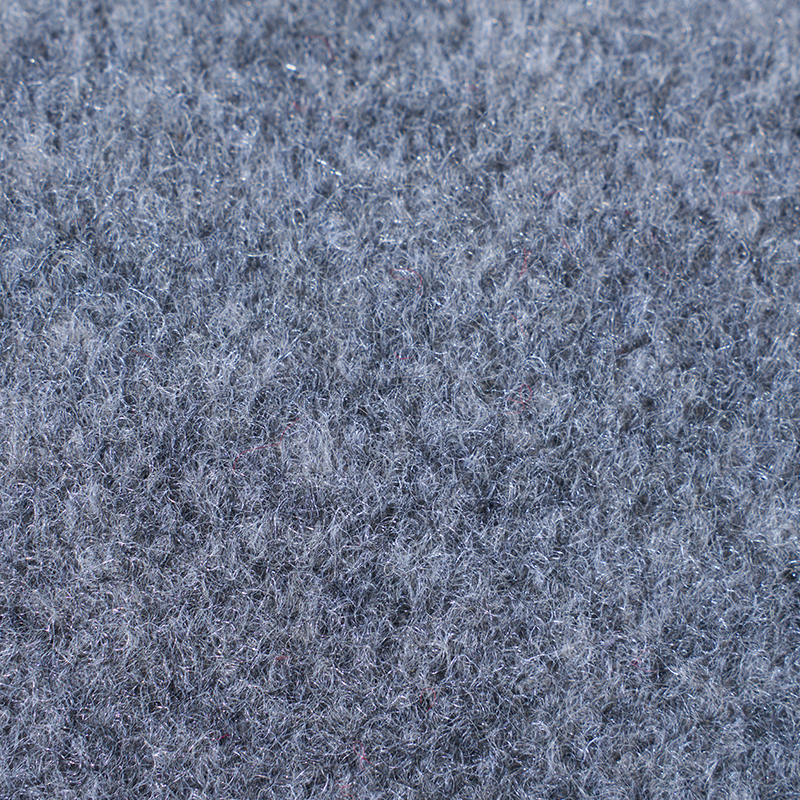
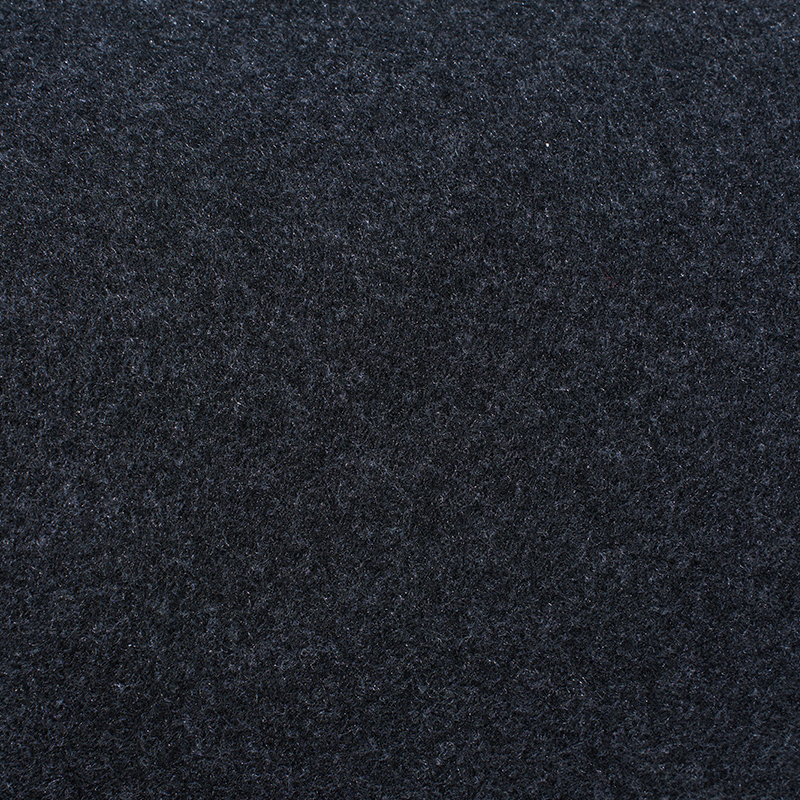
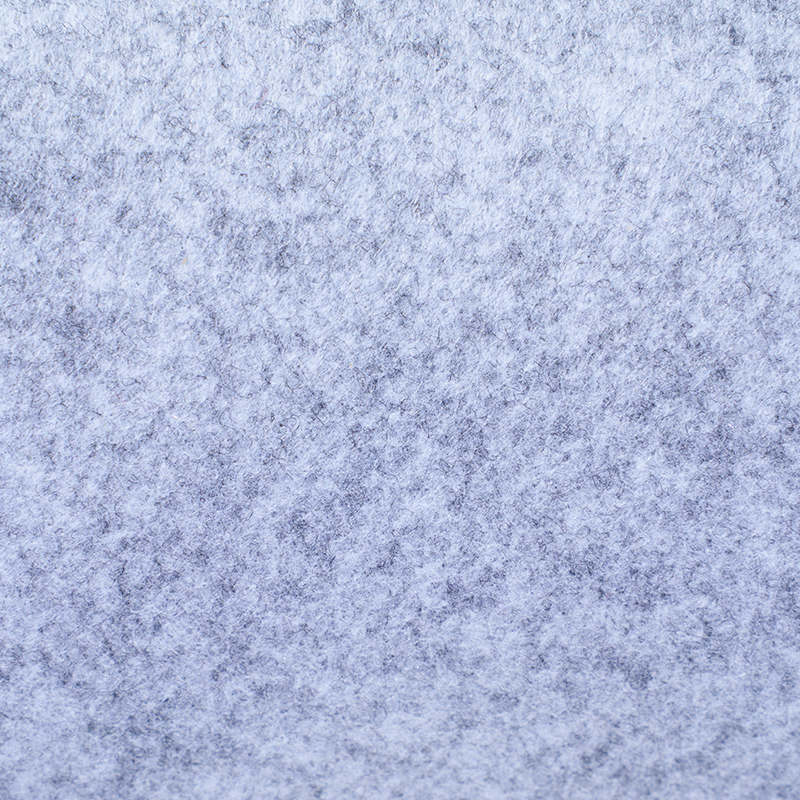

Felt Non Woven Fabric is often used in automotive interior systems as a functional insulation layer, while Water-Based I...
Felt Non Woven Fabric is often used in automotive interior systems as a functional insulation layer, while Water-Based I...
Water-Based Imitation Microfiber has become a focus in the material science and textile industries as companies pursue m...
Felt Non-Woven Fabric is widely applied in insulation-focused environments where acoustic control and thermal stability ...
On May 30, 2026, Pingyang Shengxing Nonwoven Fabric Co., Ltd. organized a company-wide outdoor team-building trip to Yan...
Needle Non Woven Fabric is a type of engineered textile made by mechanically interlocking fibers using needle punching technology. This method creates a strong, durable, and uniform fabric without the need for weaving or knitting. It is widely used in automotive interiors, filtration systems, geotextiles, and medical products due to its good strength, thickness, and stability. The fabric can be produced from natural fibers, synthetic fibers, or blends, offering versatility in performance and appearance. Lightweight, breathable, and resistant to deformation, Needle Non Woven Fabric provides a cost-effective solution for industrial, commercial, and consumer applications.
Electronic Packaging Felt is a specialized material designed to provide protection, cushioning, and insulation for delicate electronic components during storage, handling, and transportation. Made from high-quality fibers, this felt combines resilience with flexibility, ensuring that electronic products such as circuit boards, semiconductors, and sensitive devices remain secure and free from mechanical damage.
Its soft texture prevents scratches while absorbing shocks and vibrations that can occur during shipping or assembly. Additionally, the material offers thermal stability, reducing the risk of heat-related issues for temperature-sensitive electronics. The felt is lightweight, easy to cut, and can be customized to fit various packaging shapes and sizes.
It also exhibits consistent thickness and density, ensuring uniform protection across the entire surface of the packaged items. Many industries, including consumer electronics, medical devices, and precision instruments, rely on electronic packaging felt as a reliable solution for maintaining product quality. Beyond physical protection, some variants provide anti-static properties to small the risk of electrostatic discharge, further safeguarding components with high sensitivity.
Overall, electronic packaging felt is a practical and adaptable material that meets the demanding requirements of modern electronic manufacturing and logistics. Its combination of durability, softness, and thermal resistance makes it a preferred choice for companies looking to maintain the integrity of electronic products throughout the supply chain.
Needle-Punched Non-Woven Fabric is a versatile textile produced through a mechanical bonding process that interlocks fibers using barbed needles. Unlike woven or knitted fabrics, this non-woven material does not require weaving, allowing for efficient production and diverse applications.
The needle-punching process creates a dense, durable, and uniform fabric with good strength and dimensional stability. This fabric is widely used in industries such as automotive, construction, filtration, and packaging due to its ability to provide reinforcement, cushioning, and insulation.
Needle-punched non-woven fabric can be manufactured from natural fibers, synthetic fibers, or blends, offering flexibility in performance and appearance. It is also resistant to tearing and deformation, making it suitable for products that require consistent performance under mechanical stress. The fabric is breathable and can be treated for water resistance, flame retardancy, or other functional properties depending on application requirements. Its lightweight nature and ease of cutting and shaping make it an efficient choice for both industrial and consumer products.
From geotextiles and furniture padding to filtration media and protective covers, needle-punched non-woven fabric provides a cost-effective and reliable solution for many manufacturing needs. The combination of strength, versatility, and process adaptability ensures its continued relevance in modern textile and industrial applications.

Social Info
© 2025 Pingyang Shengxing Non-woven Fabric Co., Ltd.
Needle Non Woven Fabric in China
