Home / Solutions

Solutions

Industry Solutions

Our products are made from abandoned fishing nets and plastics recovered from deep-sea fishing activities. They can be used in automotive interiors, electronic components, artificial leather backing, inner and back covers of leather shoes, non-slip fabrics for various shoe soles, and more.

  • Automotive Interior Industry
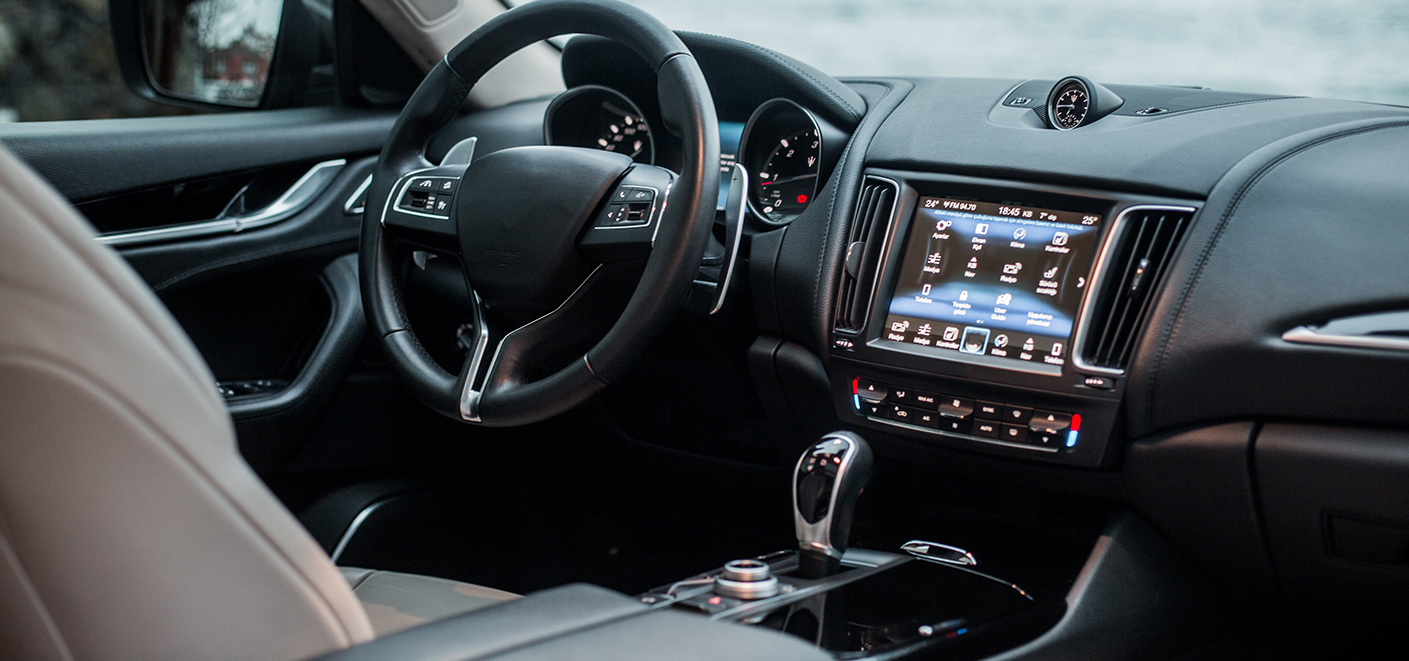
    Automotive Interior Industry

    Non-woven fabrics are widely used in the automotive interior industry. With their lightweight, durable, environmentally friendly, and highly formable characteristics, they have become ideal materials for seat covers, roof linings, carpet backings, door panel linings, and other interior components. They not only provide excellent sound and thermal insulation, but also enhance structural strength through composite processing. Some products are also flame-retardant and antistatic to meet automotive safety standards. With the rise of new energy vehicles and the growing demand for lightweight materials, non-woven fabrics are gradually replacing traditional foams and leathers due to their recyclability. At the same time, new technologies such as nano-coatings and antibacterial treatments further enhance their added functions, such as anti-fouling and air purification. Looking ahead, the application of intelligent non-woven materials—such as self-cleaning and temperature-regulating fabrics—along with the use of sustainable resources, will drive automotive interiors toward higher performance and greater environmental responsibility.

  • Electronics
    Electronics

    Nonwoven fabrics are widely used in the electronics industry due to their lightweight, flexible, and customizable conductivity. Conductive nonwoven fabrics provide electromagnetic shielding and electrostatic protection for smartphones and wearable devices by adding metal nanoparticles or carbon materials; flexible conductive nonwoven fabrics can be used for health monitoring sensors and flexible supercapacitors; environmentally friendly PLA nonwoven fabrics are used for electronic product packaging and PCB reinforcement materials. In addition, thermally conductive nonwoven fabrics help devices dissipate heat, while smart interactive nonwoven fabrics can enhance the touch experience. With the development of technology, multifunctional nonwoven fabrics with sensing, energy storage and other functions will become important materials in the field of flexible electronics and the Internet of Things.

  • Artificial Leather Base
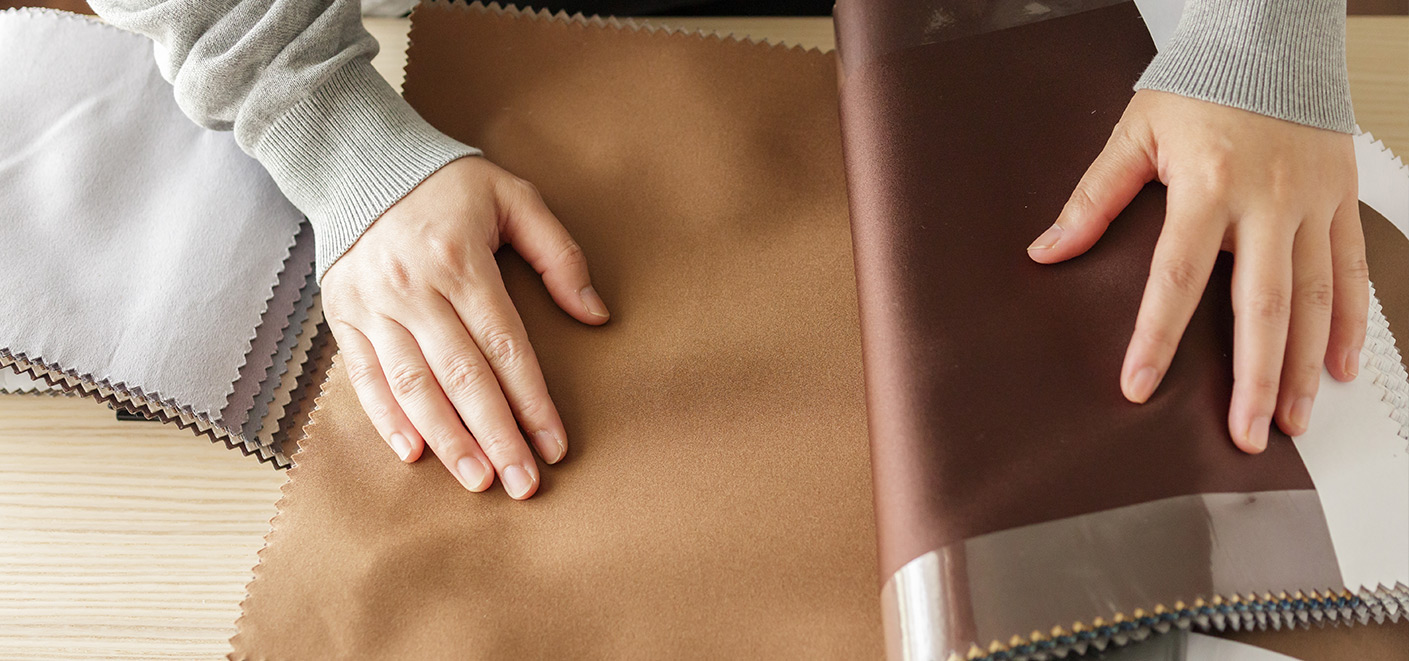
    Artificial Leather Base

    Non-woven fabrics play a key role in the field of artificial leather base fabrics. With their excellent mechanical strength, dimensional stability, and plasticity, they have become an ideal base material to replace traditional woven fabrics. Non-woven base fabrics made by needle punching, spunlace, and other processes not only give artificial leather good breathability and soft touch, but also significantly reduce production costs. At present, the application of ultra-fine fiber non-woven base fabrics has further improved the simulation and durability of artificial leather, making it widely used in high-end fields such as shoes, bags, and furniture. With the improvement of environmental protection requirements, recyclable polyester fiber non-woven fabrics and bio-based non-woven base fabrics are becoming a new trend in the industry, providing important support for the development of green artificial leather. In the future, the research and development of functional non-woven base fabrics (such as antibacterial and flame retardant) will promote the development of artificial leather products towards higher performance and more environmentally friendly directions.

  • Leather Shoes Industry
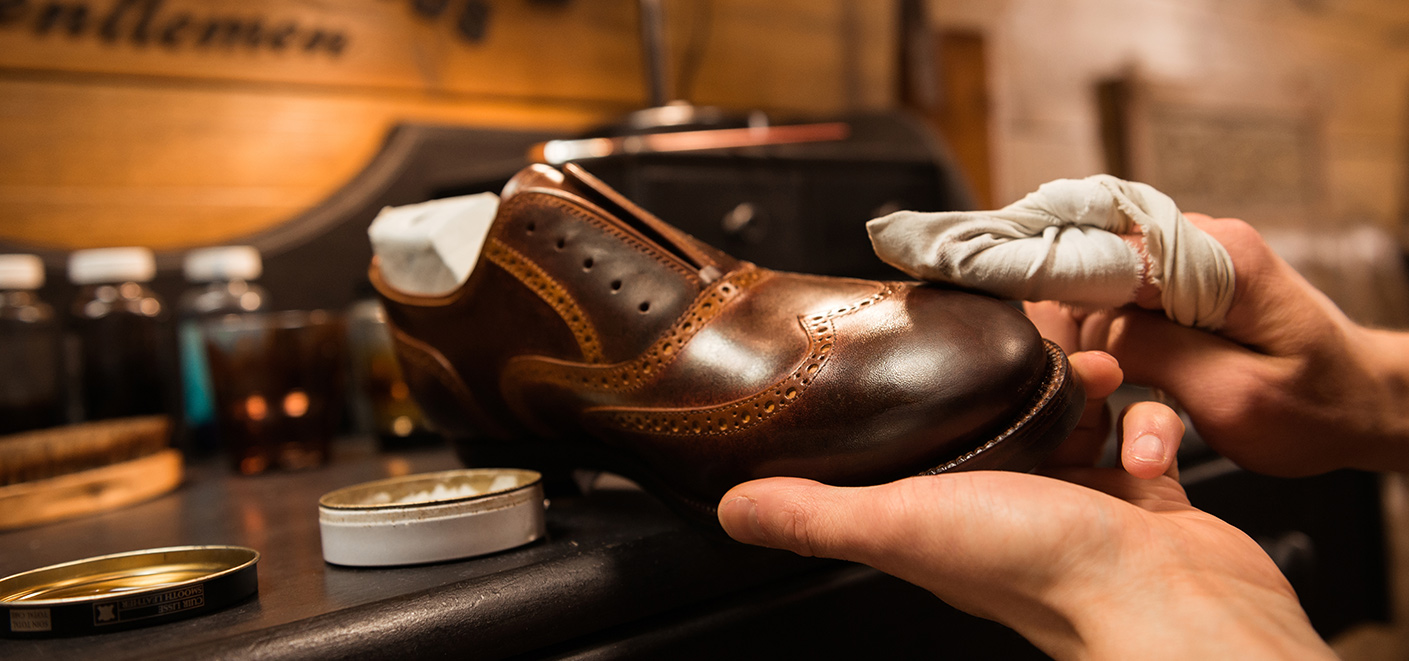
    Leather Shoes Industry

    Non-woven fabrics are playing an increasingly important role in the leather shoe industry. With their lightweight, breathable, and environmentally friendly characteristics, they have become an important choice for shoe manufacturing. In the lining, padding, and soles of leather shoes, non-woven fabrics not only provide good cushioning and comfort, but their excellent moisture absorption and perspiration performance can effectively improve the wearing experience. At present, the application of composite non-woven materials allows leather shoes to maintain a crisp shape while being soft and durable. With the advancement of shoemaking technology, intelligent non-woven materials with functions such as antibacterial, deodorizing, and temperature regulation are gradually being used in high-end leather shoe manufacturing. Driven by the trend of environmental protection, the use of degradable non-woven materials also provides new solutions for the sustainable development of the leather shoe industry. In the future, the innovative application of functional non-woven fabrics in the field of leather shoes will be worth looking forward to.

  • Anti-Slip Fabric for Soles
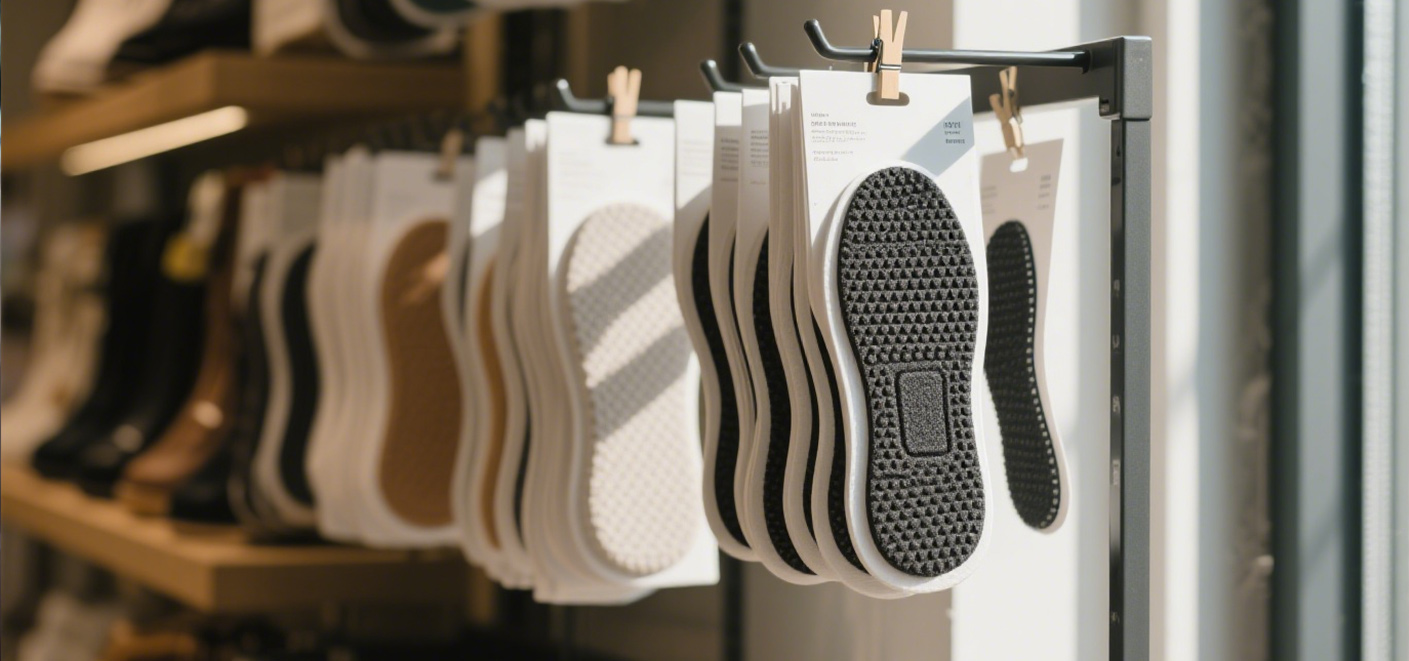
    Anti-Slip Fabric for Soles

    Nonwoven fabrics offer unique value in the development of anti-slip soles. With their lightweight, high strength, and excellent formability, they have become an ideal material for innovative anti-slip applications.Through special coating treatments and three-dimensional embossing processes, nonwoven substrates can form surfaces with a high coefficient of friction, providing reliable grip on wet and slippery floors. Compared to traditional rubber soles, nonwoven anti-slip materials are lighter, thinner, and more flexible—making them particularly suitable for products such as indoor slippers, yoga socks, and other footwear requiring enhanced flexibility. Today, composite nonwoven anti-slip fabrics incorporate rubber particles or polyurethane coatings to enhance wear resistance and noise reduction while maintaining excellent traction. As environmental standards rise, the use of biodegradable nonwoven substrates and eco-friendly coatings is accelerating the transition to greener anti-slip solutions. Looking ahead, multifunctional nonwoven materials with added properties such as breathability and antibacterial protection are set to bring new innovations to the field of anti-slip sole technology.