

 English
 Español
 عربى
عربى

Across many industries, buyers are showing increased interest in materials that support environmental goals. This trend has brought attention to Felt Products made from recycled fibers or designed for end-of-life recyclability. Unlike some composites that cannot be separated into recyclable components, felt can be manufactured with simpler material streams.
Recycled Fiber Content in Felt
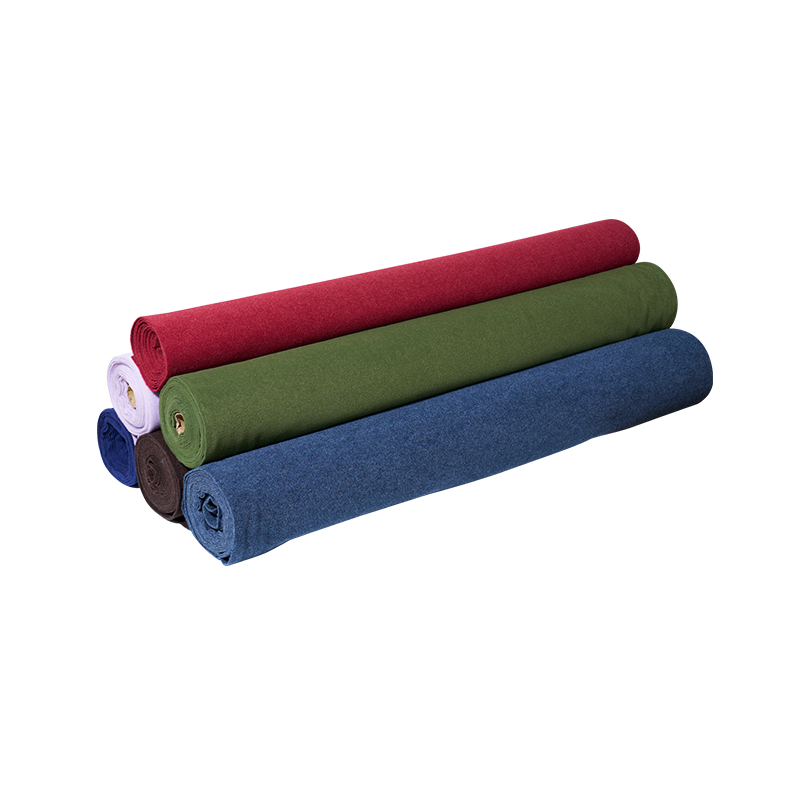
One approach to reducing environmental impact is to use post-consumer or post-industrial recycled fibers as feedstock. Plastic bottles, fabric scraps, and industrial waste can be processed into polyester fibers, which are then needle-punched into felt sheets. These recycled Felt Products perform similarly to those made from virgin fibers for many applications, including sound absorption, padding, and dust sealing. The color of recycled felt may be limited to darker shades unless additional dyeing steps are added, but for hidden or functional parts, this is rarely an issue.
Biodegradable Wool-Based Felt
Wool felt offers a different environmental path. Wool is a renewable fiber that can biodegrade under suitable conditions at the end of its useful life. Felt Products made from wool without synthetic binders break down in soil or composting environments. This makes wool felt suitable for applications where disposal is a concern, such as temporary packaging, gardening mats, or single-use protective layers. Wool felt also has natural moisture management properties, which can reduce the need for additional chemical treatments in some uses.
Reducing Binders and Additives
Traditional felt manufacturing sometimes uses chemical binders to increase strength or stiffness. Newer processes rely more on mechanical needling and heat bonding to hold fibers together. Felt Products made with fewer chemical additives are easier to recycle because they contain only one type of fiber. Some manufacturers now offer felt that is 100% polypropylene or 100% polyester without glue or resin. At the end of its service life, this material can be shredded and reprocessed into new felt or other nonwoven products.
Closed-Loop Scrap Reuse
Fabrication of felt components generates edge trim, die-cut waste, and scrap pieces. Rather than sending this material to landfills, some producers collect and reintroduce it into the fiber preparation stage. This closed-loop approach means that a portion of new Felt Products contains previously manufactured felt that was never used in a finished good. The recycled content does not reduce performance for most industrial applications. Buyers who request recycled content specifications can often be accommodated without changing the physical properties of the felt.
Automotive Interior Applications
Car manufacturers have begun specifying environmentally focused felt for interior components where high visibility is not required. Trunk liners, wheel well covers, and under-carpet padding are examples of areas where recycled Felt Products meet performance needs while supporting corporate sustainability targets. These applications benefit from felt’s sound-absorbing and impact-dampening properties. The use of recycled fibers in these hidden locations does not affect the appearance or feel of the vehicle interior from the passenger’s perspective.
Building and Construction Uses
In buildings, recycled felt is used for acoustic panels, thermal insulation, and floor underlayment. Felt Products made from textile waste or recycled plastic provide an alternative to foam or fiberglass insulation. Unlike some insulation materials, felt can be handled without respiratory protection and produces less dust during installation. At the end of a building’s life, the felt can be removed and recycled again, assuming it was not mixed with adhesives or other contaminants. This circular potential makes felt an interesting option for architects pursuing material transparency.
Interest in environmentally conscious materials continues to grow across industrial, automotive, and building sectors. Felt Products that incorporate recycled content or enable recyclability are becoming more common in supplier catalogs. Buyers are advised to request documentation of recycled content and to confirm whether the felt contains binders that would complicate recycling. As collection and processing systems for textile waste improve, the availability of eco-friendly felt options is expected to expand further.