

 English
 Español
 عربى
عربى

Furniture manufacturers are continuing to adjust material choices to match changing market preferences and interior design trends. Among the materials receiving increased attention, Water-Based Imitation Microfiber is becoming more common in modern upholstery applications because of its flexible appearance, softer texture, and suitability for different furniture styles. As consumers place greater importance on comfort and environmental awareness, upholstery producers are exploring materials that support both design and practical use.
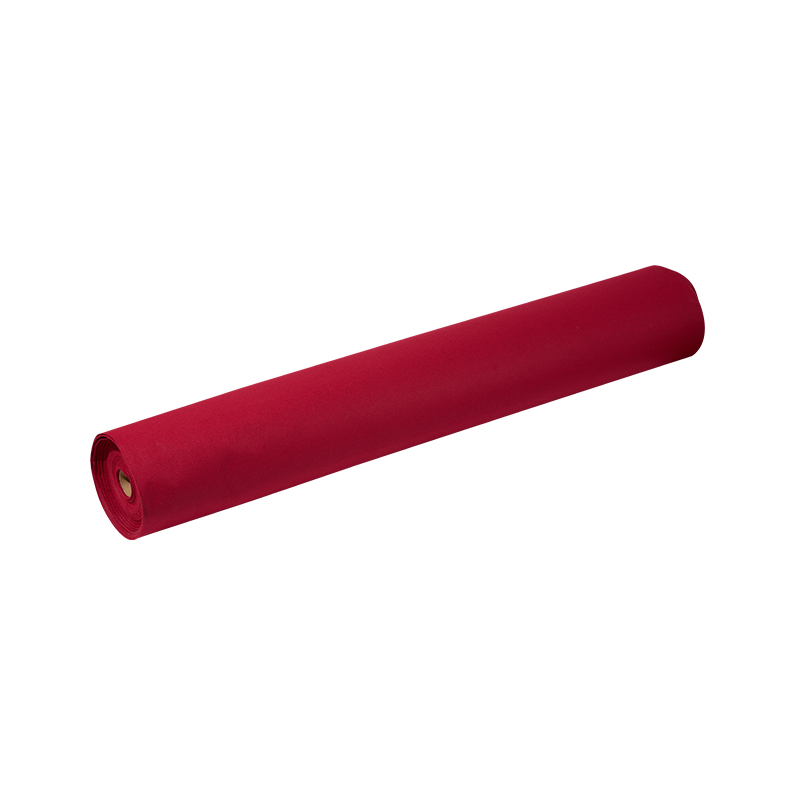
Upholstery Trends Continue to Evolve
Modern furniture design has shifted toward cleaner lines, softer textures, and multifunctional use. Upholstery materials are expected to provide visual consistency while also supporting daily durability. This has encouraged manufacturers to look beyond traditional synthetic leather options and evaluate newer water-based materials.
Water-based imitation microfiber is being used in a wide range of upholstered furniture products, including sofas, recliners, dining chairs, and decorative seating. The material can be adapted to different surface textures and colors, allowing furniture producers to create collections suitable for residential and commercial interiors.
Consumers are also showing a stronger interest in materials that feel comfortable during extended use. Softer surface performance and flexible structure are becoming important factors in upholstery selection, especially for furniture designed for living rooms, lounges, and shared interior spaces.
Material Features Supporting Upholstery Production
One reason furniture manufacturers are adopting water-based imitation microfiber is its compatibility with modern upholstery processing methods. The material can be applied to curved furniture structures, stitched seating sections, and customized decorative panels.
Manufacturers are also paying attention to appearance consistency across large furniture collections. Upholstered furniture often requires matching color tones and textures throughout multiple production batches. Water-based imitation microfiber can support these requirements through stable surface finishing processes.
Abrasion resistance remains another important topic in furniture manufacturing. Upholstery surfaces are exposed to repeated friction during daily use, especially in homes with children or pets. Buyers frequently ask about surface aging, scratching, and wrinkle resistance before selecting furniture materials.
Easy cleaning characteristics also influence purchasing decisions. Consumers often prefer upholstery materials that can handle routine maintenance without requiring specialized care methods.
Expanding Use in Residential and Commercial Interiors
The application range for water-based imitation microfiber continues to grow across different interior environments. Residential furniture remains an important market, but commercial projects are also contributing to demand.
Hotels, offices, cafés, and waiting lounges often require upholstered seating that combines decorative value with practical maintenance. Furniture used in these environments must support frequent use while maintaining a stable appearance.
Interior designers are increasingly selecting softer matte textures and natural-looking finishes for contemporary spaces. Water-based imitation microfiber is being incorporated into these projects because it can provide leather-like visual effects while supporting flexible furniture styling.
Customized furniture production is also influencing material demand. Many consumers now prefer personalized furniture colors, textures, and seating layouts. Upholstery materials that can adapt to different design requirements are becoming more valuable in modern furniture manufacturing.
Environmental Awareness Shapes Material Discussions
Environmental awareness continues to influence furniture material development. Water-based processing methods are commonly associated with lower solvent content, encouraging more discussions around environmentally conscious upholstery production.
Consumers are asking more questions about indoor comfort, odor characteristics, and material sourcing. As a result, furniture suppliers are paying closer attention to upholstery materials that align with changing market expectations.
The demand for vegan-friendly furniture products is also growing in several markets. Some buyers are looking for alternatives to animal-derived materials while still preferring furniture with a leather-like appearance and soft texture.
Material developers are continuing to explore improvements related to flexibility, hydrolysis resistance, and long-term durability. As upholstery trends continue to evolve, water-based imitation microfiber is expected to remain part of ongoing furniture material discussions and product development efforts.