

 English
 Español
 عربى
عربى

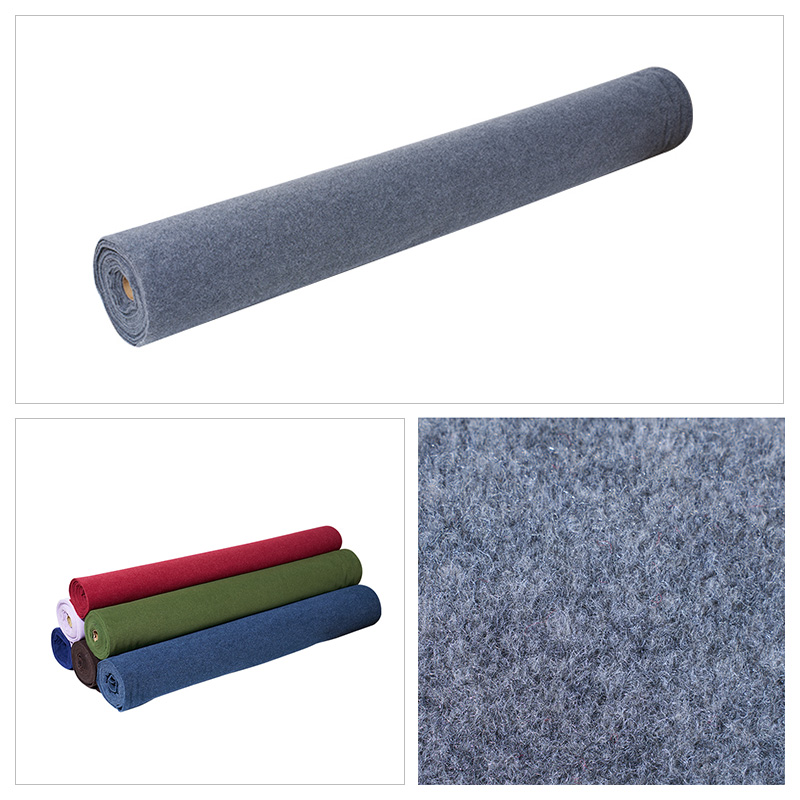
Thick carbon fiber nonwoven felt fabric is a specialized textile material recognized for its strength, thermal stability, and lightweight characteristics. Unlike conventional woven fabrics, nonwoven felts are produced by bonding fibers together through mechanical, thermal, or chemical methods rather than weaving. The incorporation of carbon fibers enhances the fabric’s performance properties, making it suitable for applications requiring durability, heat resistance, and dimensional stability.
The production process begins with the selection of carbon fibers, which can be pure or combined with other fibers depending on performance requirements. These fibers are laid into a web through carding, air-laying, or wet-laying methods. The web is then bonded using techniques such as needle punching, thermal bonding, or chemical adhesion, creating a dense, cohesive material.
The thickness of the felt is controlled during the bonding process by adjusting fiber density and compaction methods. The result is a material with uniform thickness and structural stability. Some finishing processes, such as calendaring or surface treatments, may be applied to improve surface smoothness, dimensional consistency, or other functional properties.
Thick carbon fiber nonwoven felt fabric is characterized by its high strength-to-weight ratio, thermal resistance, and structural integrity. The carbon fibers provide inherent rigidity, allowing the fabric to maintain its shape under mechanical stress. Its thickness and density offer good insulation properties, making it suitable for thermal and acoustic applications.
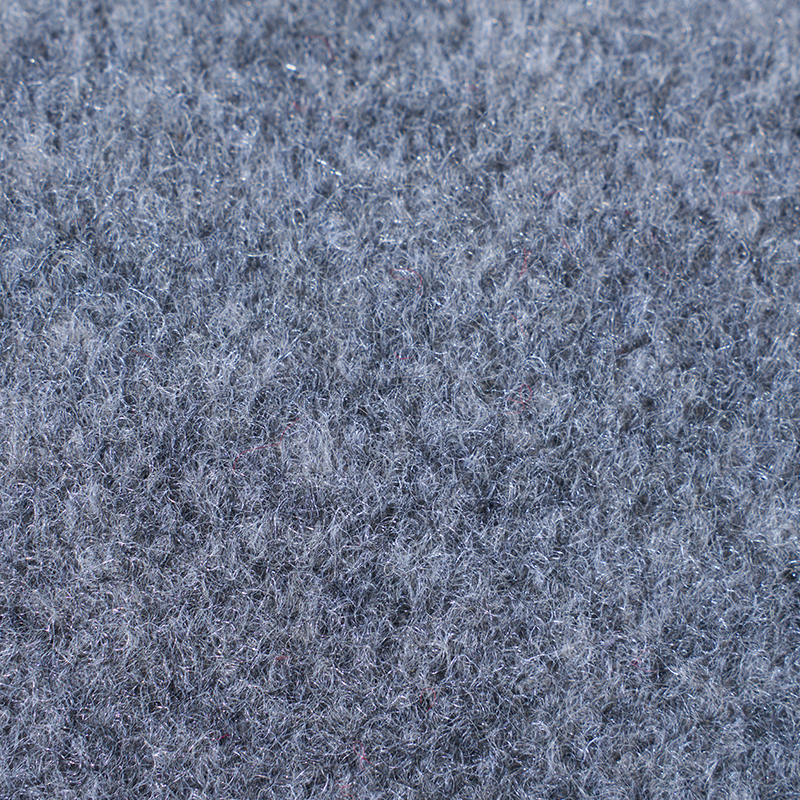
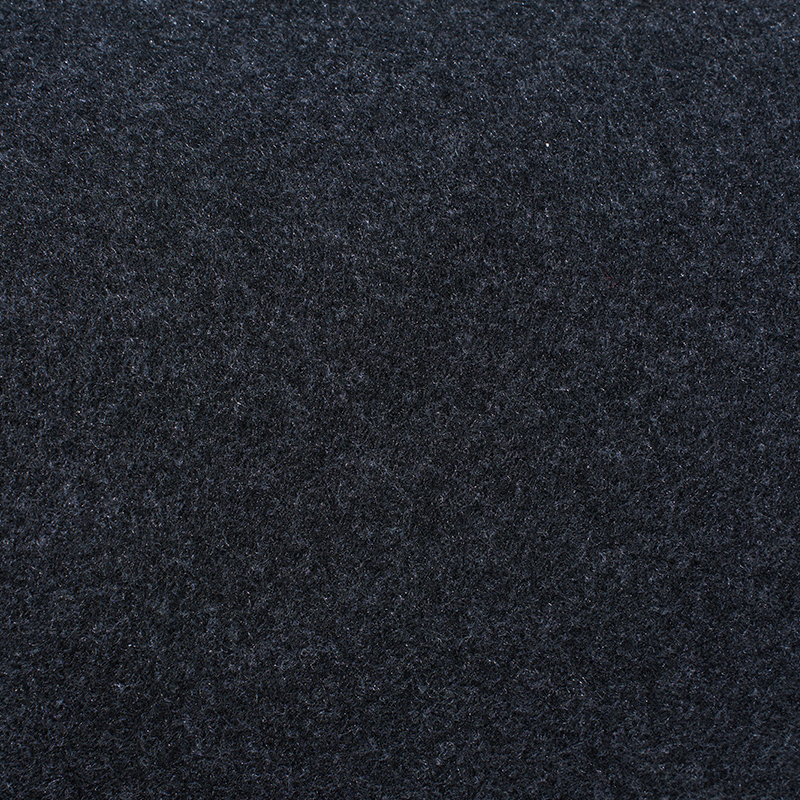
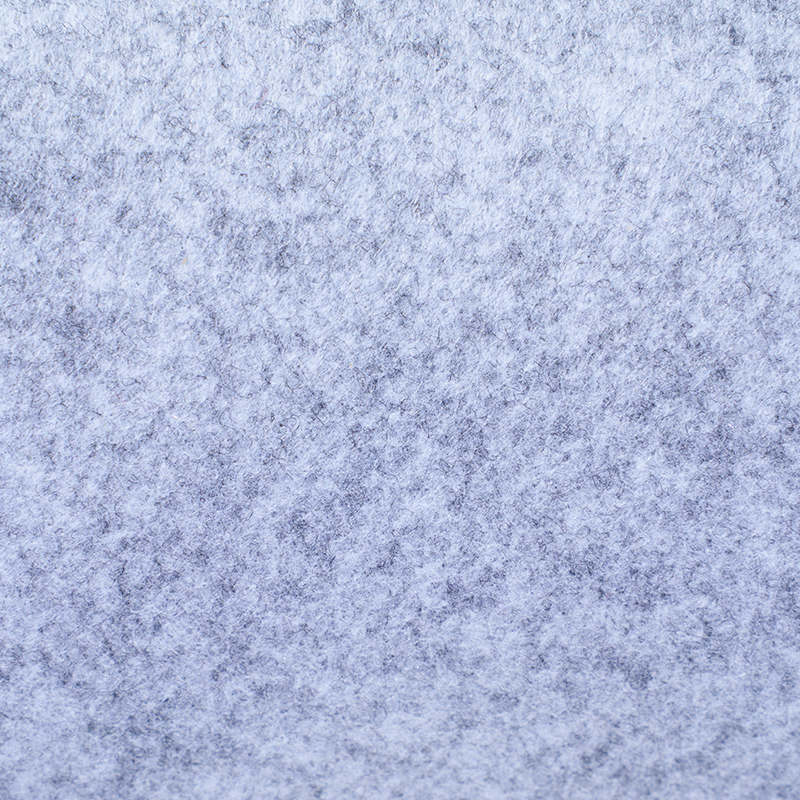
The material also exhibits chemical stability and resistance to many environmental factors, including moisture and certain chemicals. While it is not inherently flexible like some textile materials, it can be engineered to provide moderate pliability without compromising structural performance. The surface is generally smooth but may have a slightly fibrous texture depending on the bonding method used.
This type of nonwoven fabric has a wide range of industrial applications. In the automotive sector, it is used for heat shields, insulation panels, and protective layers for engine components. Its thermal resistance and lightweight nature make it an ideal choice for components that require both stability and weight efficiency.
In construction and engineering, thick carbon fiber felt can serve as insulation, vibration dampening layers, and reinforcement in composite materials. Its combination of strength, density, and heat resistance allows it to perform reliably in challenging environments.
The aerospace and electronics industries also utilize carbon fiber nonwoven felts for thermal management, structural components, and protective linings. Its chemical stability and dimensional integrity make it suitable for applications where precision and performance are essential.
While carbon fiber production is energy-intensive, efforts are being made to improve sustainability by recycling fibers and optimizing manufacturing processes. Using environmentally conscious bonding methods and small chemical usage can reduce the overall impact while maintaining the material’s functional properties.
Thick carbon fiber nonwoven felt fabric offers a combination of strength, thermal stability, and lightweight characteristics, making it a versatile material for multiple industries. Its manufacturing process, which includes fiber web formation and bonding, ensures consistent thickness, density, and performance. With applications ranging from automotive to aerospace, construction, and electronics, this material provides a practical and reliable solution for situations that demand durability, heat resistance, and structural integrity.