

 English
 Español
 عربى
عربى

Hydrophobic environmental nonwoven fabric is designed to combine water-resistant performance with eco-friendly manufacturing practices. This type of fabric is made by bonding fibers together without weaving, creating a material that is lightweight, flexible, and durable. The hydrophobic property allows it to repel water effectively, making it suitable for a wide range of applications, while the environmental focus ensures that its production smalls negative impacts on natural resources.
The hydrophobic characteristic is one of the defining features of this nonwoven fabric. Water droplets tend to bead on the surface rather than penetrate the material, helping to protect underlying surfaces and maintain cleanliness. This feature is valuable in applications where moisture resistance is important, such as protective covers, packaging, outdoor textiles, and medical or hygiene-related products. The water-repellent property also reduces the risk of mold or mildew formation, contributing to a longer service life.
In addition to water resistance, environmental nonwoven fabric is produced with sustainability in mind. Many versions use recycled fibers or biodegradable materials, reducing the consumption of virgin resources. Manufacturing processes are often designed to small energy use, emissions, and waste. By combining functionality with environmentally conscious production, this fabric supports responsible material choices for designers, manufacturers, and consumers.
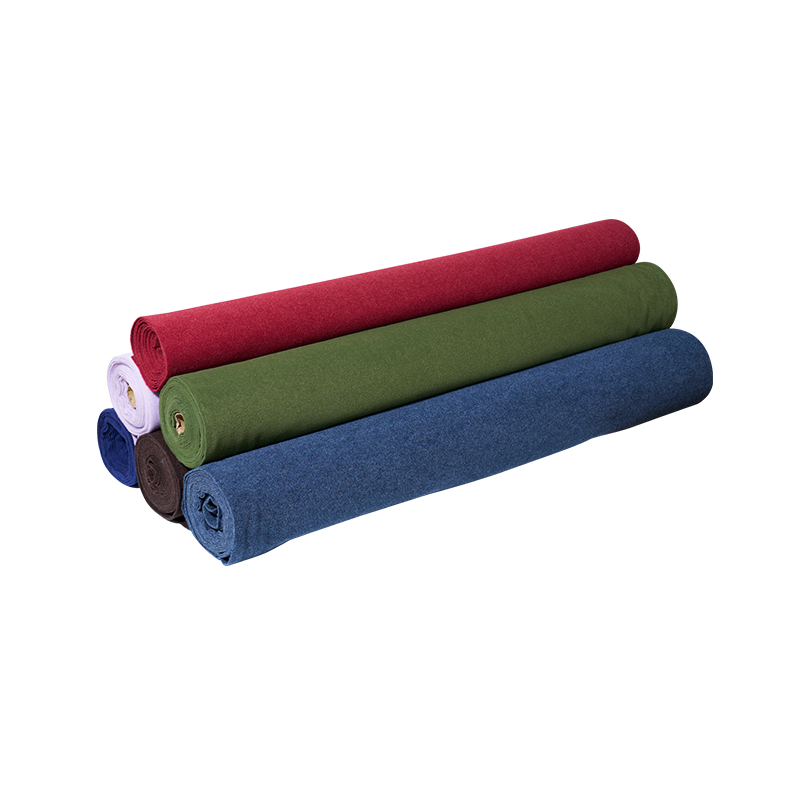
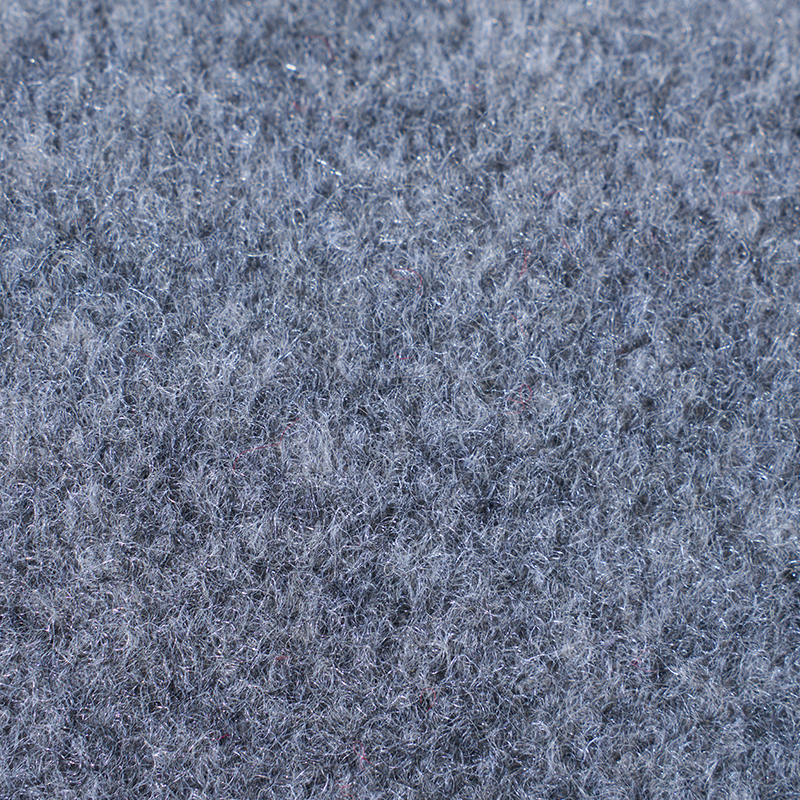
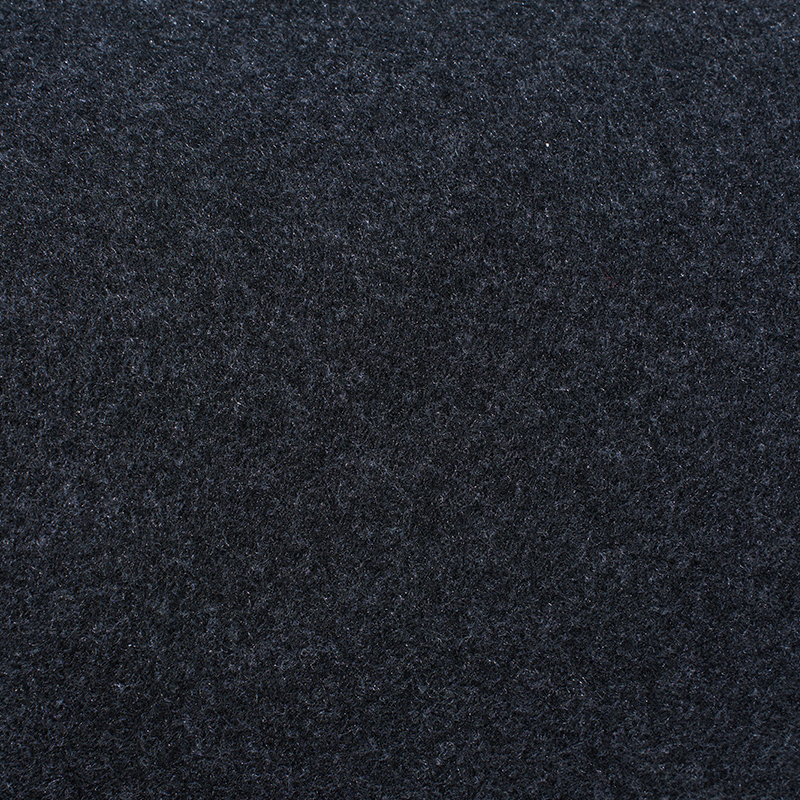
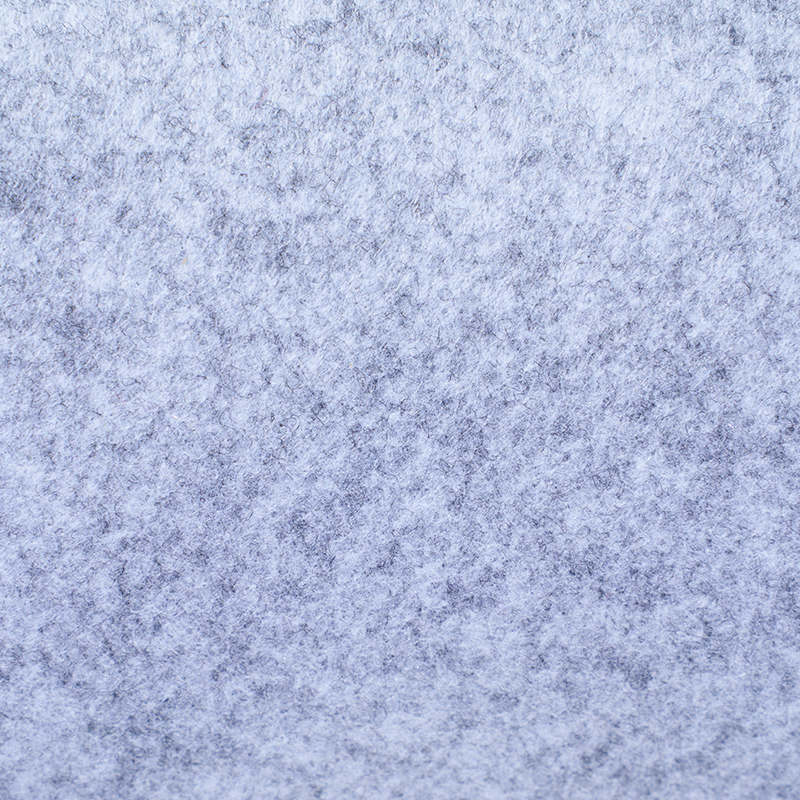
The material is versatile and adaptable to multiple design needs. It can be made in various thicknesses, colors, and finishes to suit specific requirements. Its nonwoven structure allows it to be cut, folded, and shaped without fraying, making it easier to handle compared to woven fabrics. Additionally, it can be laminated or coated to enhance durability or add additional properties, such as UV resistance or anti-static performance.
Durability is another key advantage. Despite being lightweight, hydrophobic environmental nonwoven fabric resists tearing, stretching, and abrasion under typical use conditions. This makes it suitable for both industrial and consumer applications. It can withstand repeated handling, packaging, or outdoor exposure without losing its functional properties. Its combination of strength and water repellency ensures reliable performance over time.
Maintenance of this fabric is straightforward due to its hydrophobic nature. Dirt and liquids are less likely to adhere to the surface, and cleaning usually requires only a damp cloth or mild detergent. This ease of care makes it practical for applications in homes, commercial settings, or healthcare environments where hygiene and convenience are important considerations.
Applications for hydrophobic environmental nonwoven fabric are wide-ranging. In protective gear and workwear, it can prevent moisture penetration while remaining breathable. In packaging, it provides a barrier against water and contamination. Outdoor products, such as covers, mats, or tarps, benefit from its water-resistant and durable qualities. Even in crafts and design projects, its ability to maintain shape and repel moisture makes it a practical choice.
In conclusion, hydrophobic environmental nonwoven fabric offers a combination of water resistance, durability, and sustainability. Its eco-conscious production, versatile design options, and ease of maintenance make it suitable for a variety of industrial, commercial, and creative applications. By selecting this material, designers and manufacturers can achieve functional performance while supporting environmentally responsible practices, making it a practical choice for modern projects.