

 English
 Español
 عربى
عربى

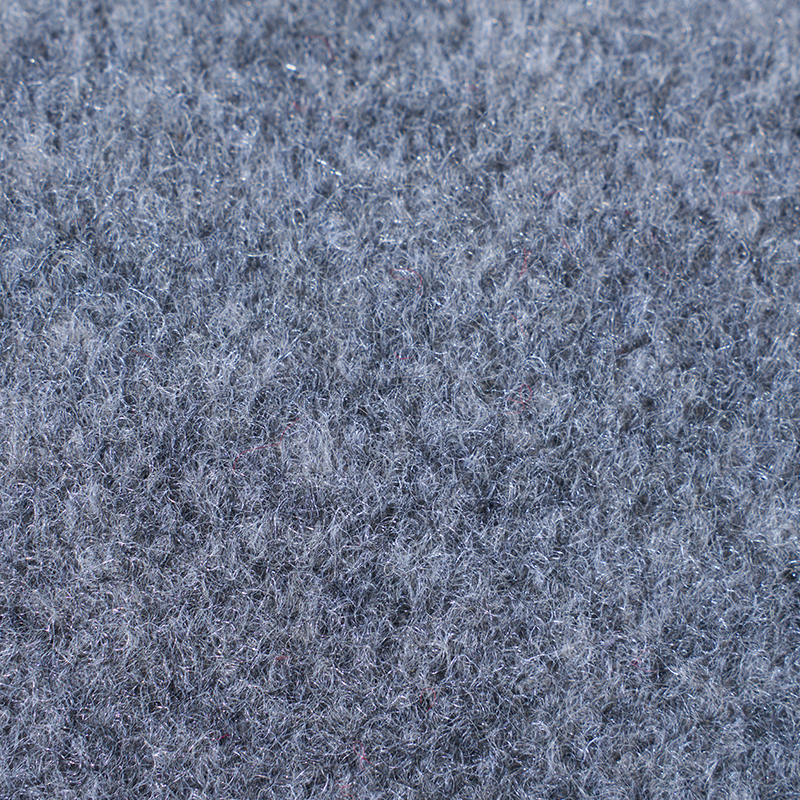
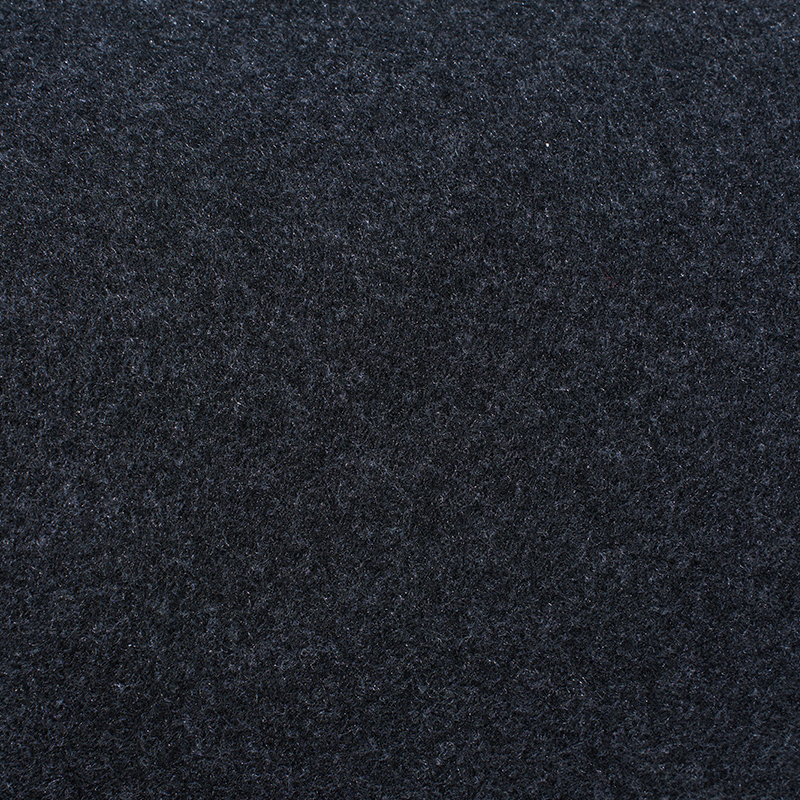
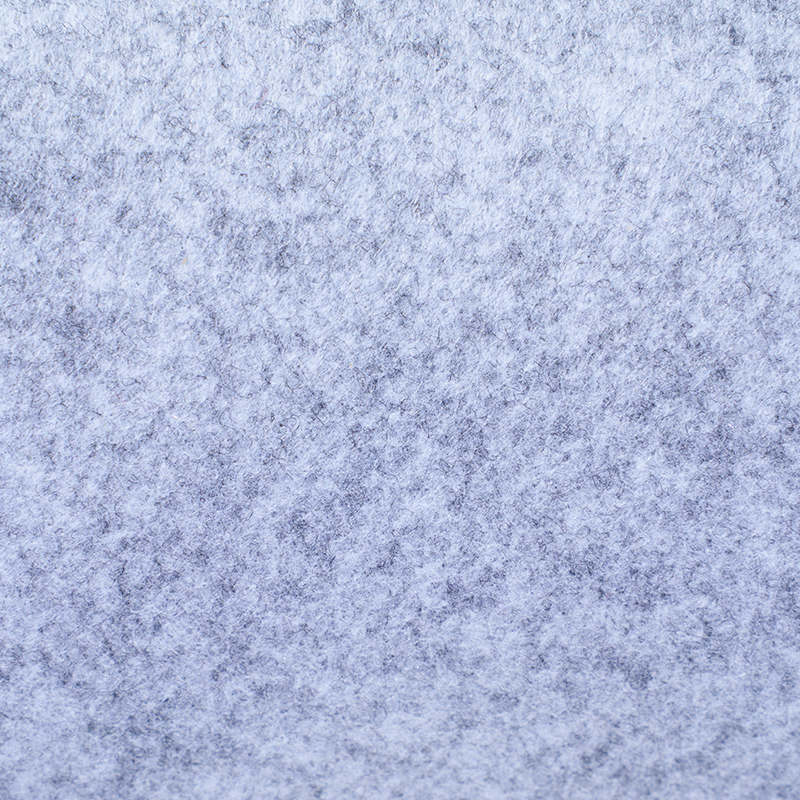
High-density rigid durable nonwoven cloth is recognized for its strength, stability, and functional versatility. This material is engineered by compressing nonwoven fibers into a dense structure, resulting in a fabric that is both firm and resilient. Its combination of rigidity and durability makes it suitable for a wide range of industrial, commercial, and craft applications, where performance and reliability are essential.
One of the defining characteristics of this fabric is its density. By tightly bonding the fibers, the cloth achieves a level of firmness that allows it to maintain shape and support weight without significant deformation. This property makes it ideal for applications where structural integrity is required, such as protective liners, reinforcement layers, or packaging supports. Its ability to retain form also allows designers to create three-dimensional objects and components without additional framing or support.
Durability is another key feature of high-density rigid nonwoven cloth. The compact fiber structure enhances resistance to wear, punctures, and abrasion, extending the material’s lifespan in demanding conditions. This makes it suitable for applications that experience repeated handling or mechanical stress. Its resistance to tearing and stretching ensures that products remain functional and visually consistent even under continuous use.
The material also offers versatility in terms of surface treatment and customization. It can be coated or laminated to provide additional protection against moisture, dust, or chemical exposure. Different surface textures or colors can be applied to meet specific design or functional requirements. Its rigidity does not limit flexibility in usage; the cloth can be cut, shaped, or combined with other materials to produce customized solutions for various projects.
Maintenance and usability are practical advantages of this nonwoven cloth. Its dense structure resists dirt accumulation and is relatively easy to clean. more contaminants can be removed with a damp cloth or mild cleaning solution, which reduces the need for specialized care. This makes the material suitable for environments where hygiene and durability are important, including industrial settings, workshops, and public spaces.
Sustainability considerations are increasingly relevant for this type of fabric. Nonwoven cloth can be produced using recycled fibers or more environmentally conscious materials, which reduces resource consumption. Additionally, being man-made, it avoids reliance on animal-derived products, supporting ethical material choices in manufacturing and design. Its long lifespan also contributes to reducing waste, as products made from high-density nonwoven cloth do not require frequent replacement.
Applications for high-density rigid durable nonwoven cloth are wide-ranging. In industrial contexts, it can be used for filters, protective layers, insulation panels, and reinforcement components. In commercial and design settings, it is suitable for packaging inserts, storage solutions, display elements, and decorative structures. Crafters and designers also use it to create sturdy models, book covers, or custom containers, taking advantage of its shape-retaining properties and strength.
In summary, high-density rigid durable nonwoven cloth is a practical and reliable material that offers firmness, durability, and versatility. Its dense construction allows it to maintain shape, resist wear, and support various applications across industrial, commercial, and creative fields. By combining functional performance with ease of customization and maintenance, this nonwoven cloth provides a dependable solution for projects that require both strength and adaptability.