

 English
 Español
 عربى
عربى

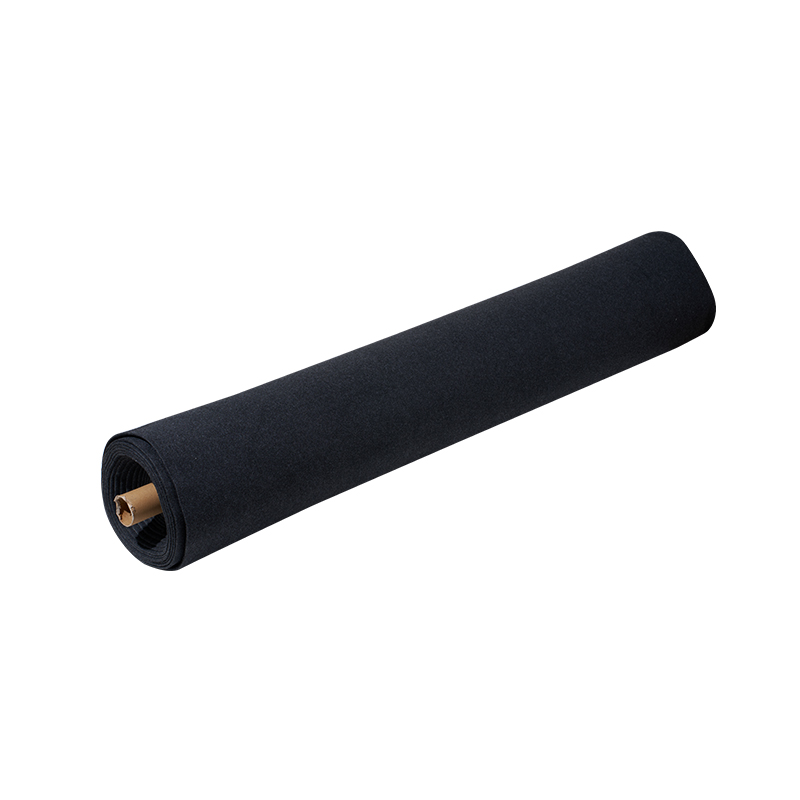
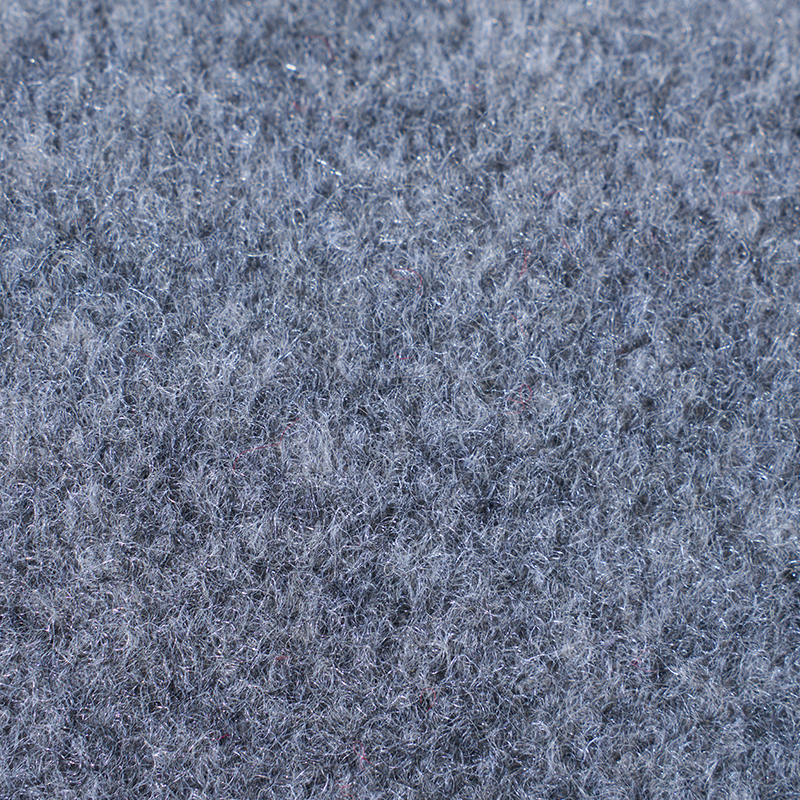
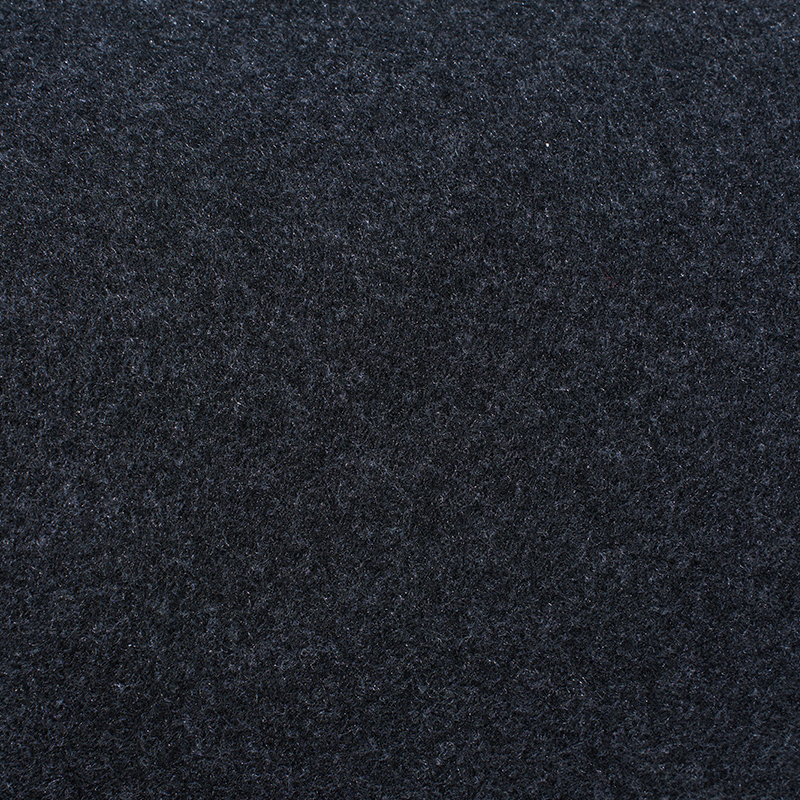
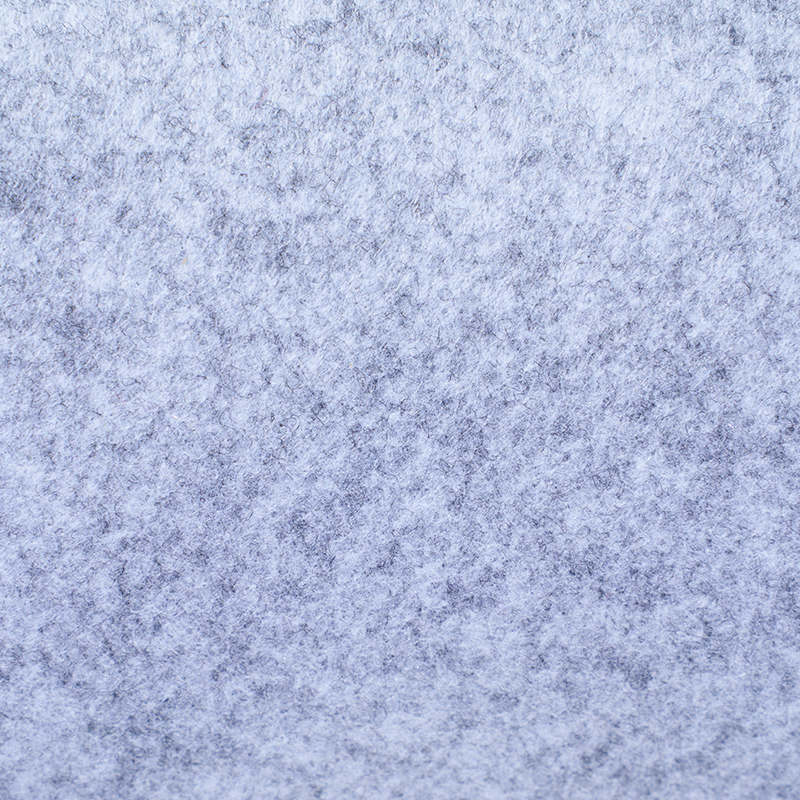
Technical fabric felt nonwoven material is a specialized textile designed to offer strength, stability, and versatility across a wide range of applications. Unlike woven fabrics, nonwoven felt is produced by bonding fibers together using mechanical, thermal, or chemical processes rather than weaving or knitting. This creates a dense and uniform structure that provides durability and performance in industrial, commercial, and consumer contexts. Technical fabric felt combines these functional properties with flexibility, making it a practical choice for applications that demand both structural integrity and adaptability.
One of the primary advantages of technical fabric felt is its durability. The dense network of fibers resists tearing, stretching, and abrasion, ensuring that the material maintains its shape and performance over time. This makes it suitable for high-use or high-stress applications, including insulation layers, protective padding, gaskets, filters, and automotive components. The felt’s nonwoven construction allows it to absorb and distribute impact or pressure evenly, enhancing its protective and structural qualities.
The material is highly versatile due to its customizable manufacturing process. Fibers used in technical felt can include synthetic materials such as polyester or polypropylene, natural fibers such as wool or cotton, or a blend of both. By adjusting fiber composition, thickness, and bonding methods, manufacturers can tailor the felt to specific performance requirements. This flexibility allows the material to meet varying demands, whether for thermal insulation, sound absorption, cushioning, or structural reinforcement.
Technical fabric felt also provides practical benefits in terms of maintenance and fabrication. The nonwoven structure allows it to be easily cut, shaped, or laminated with other materials without fraying. Its dense construction makes it resistant to debris penetration and helps maintain cleanliness in industrial or commercial environments. Additionally, the material can be treated for enhanced water resistance, chemical resistance, or fire retardancy, further expanding its suitability for specialized applications.
The material’s functional properties extend to its thermal and acoustic performance. Technical felt can act as a heat or sound barrier, making it useful in automotive interiors, machinery, or building materials. Its insulation capabilities help improve energy efficiency and reduce noise transmission, contributing to both comfort and operational efficiency. These properties, combined with its structural durability, make it a reliable solution for a variety of technical and industrial needs.
From an environmental perspective, nonwoven felt materials can be produced using energy-efficient methods and recyclable fibers. The absence of complex weaving machinery reduces energy consumption, and many fibers can be repurposed or recycled at the end of the material’s life cycle. This supports sustainable manufacturing practices while maintaining the material’s functional qualities.
In addition to industrial applications, technical fabric felt is also used in consumer and creative contexts. Its soft yet durable surface makes it suitable for protective cases, craft projects, furniture padding, and decorative components. The material can be dyed or finished to meet aesthetic requirements without compromising its structural or functional properties.
In summary, technical fabric felt nonwoven material is a durable, versatile, and functional textile solution suitable for a broad range of applications. Its combination of strength, flexibility, thermal and acoustic properties, and ease of fabrication makes it valuable in industrial, commercial, and consumer contexts. With customizable fiber compositions, thicknesses, and treatments, technical felt provides a reliable material option that meets both performance and practical requirements in modern design and manufacturing.