

 English
 Español
 عربى
عربى

Robust hard-pressed structural nonwoven fabric is a type of material widely used in industries requiring durable, versatile, and stable textile solutions. Unlike traditional woven fabrics, this type of nonwoven fabric is created by mechanically or chemically bonding fibers together, resulting in a dense and structured material. The hard-pressed process enhances the fabric’s density and structural integrity, making it suitable for applications that demand consistent performance over time.
The production of hard-pressed structural nonwoven fabric begins with a selection of fibers, which can include natural fibers, synthetic fibers, or a blend of both. These fibers are one carded and laid out in a web form. The web then undergoes a mechanical pressing process, often using rollers or hydraulic presses, to compact the fibers and enhance their interlocking. Additional techniques, such as needle punching or thermal bonding, may be employed to further stabilize the fabric structure. This combination of pressing and bonding ensures that the fabric maintains its shape and strength during usage.
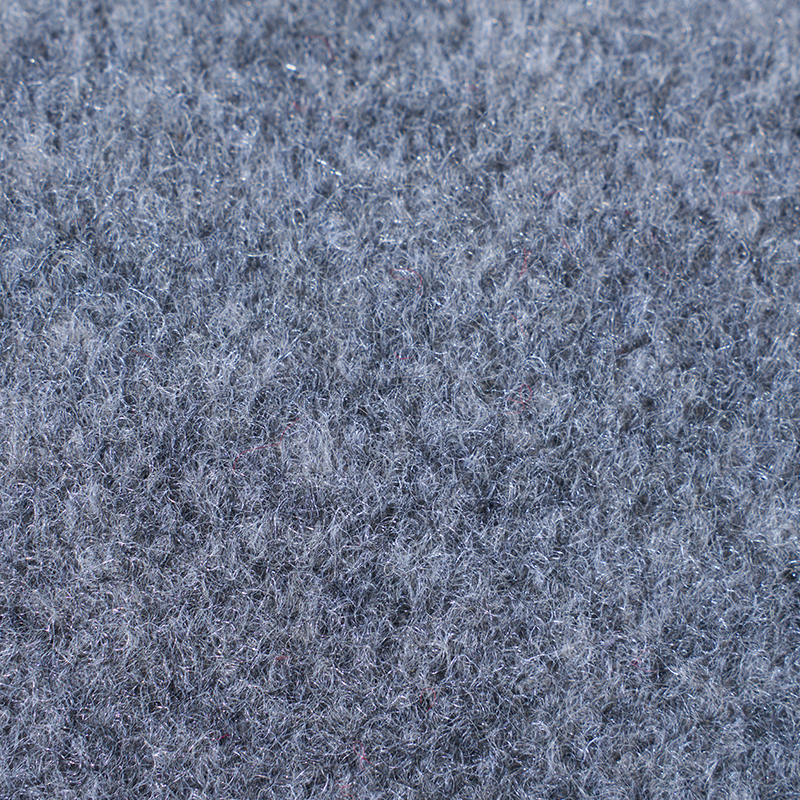
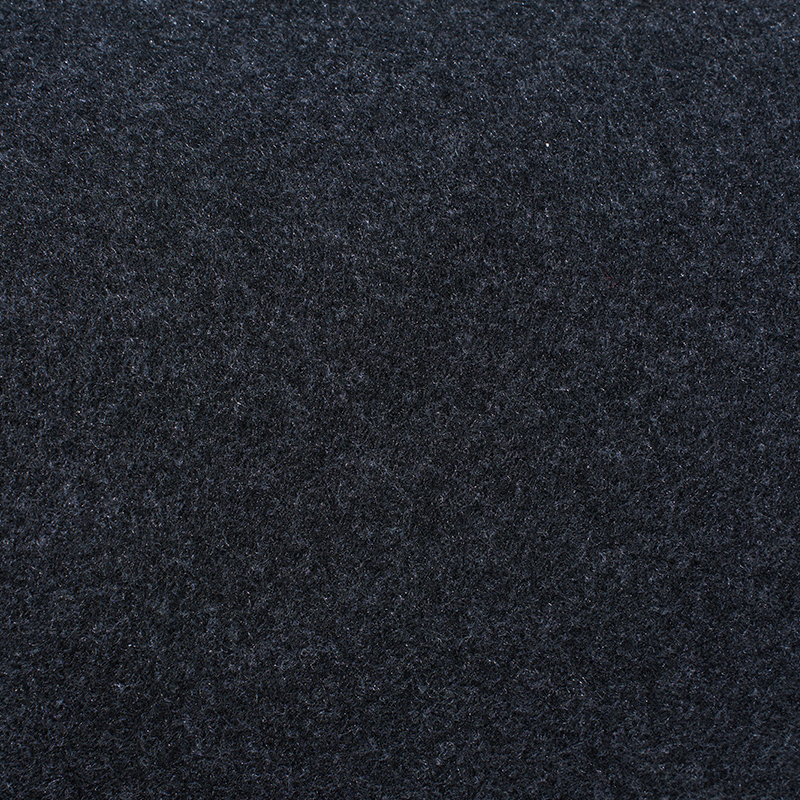
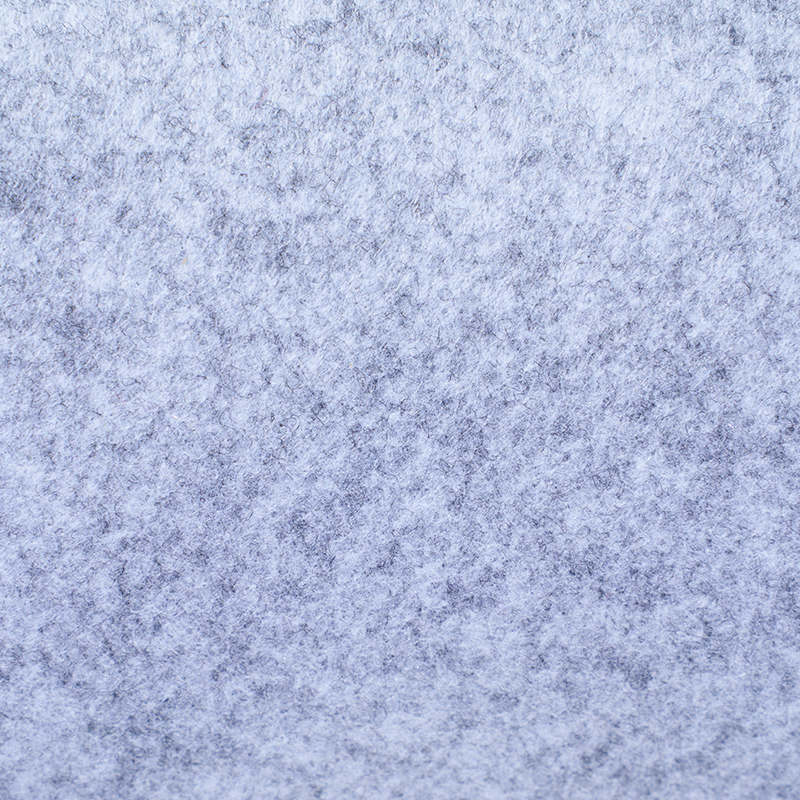
One of the main characteristics of this fabric is its rigidity and dimensional stability. The hard-pressed process significantly increases the fabric’s resistance to deformation, allowing it to retain its shape even under pressure or repeated handling. It also exhibits moderate thickness and density, which can be adjusted during manufacturing depending on the intended application. The fabric’s surface is generally smooth but may have a slightly textured appearance due to the fiber arrangement and pressing process.
In addition to mechanical strength, this type of nonwoven fabric offers good resistance to abrasion and tearing. The dense structure prevents fibers from separating easily, contributing to its long-lasting performance. While it is not inherently water-resistant, treatments such as coatings or laminations can be applied to improve resistance to moisture, making it suitable for various indoor and outdoor uses.
Robust hard-pressed structural nonwoven fabric is utilized across a wide range of industries. In construction, it serves as a backing material for insulation panels, wall coverings, and protective layers in flooring systems. In automotive manufacturing, it is used for interior panels, headliners, and trunk liners, providing both durability and a stable base for further finishing. The fabric also finds applications in packaging, filtration, and protective coverings, where its strength and stability are valued.
Another notable application is in furniture and upholstery. The fabric can be used as a supportive layer under cushions or coverings, ensuring consistent performance over time. Its ability to hold shape under compression makes it a practical choice in products that experience frequent use or stress.
Many producers of structural nonwoven fabrics are focusing on sustainability by incorporating recycled fibers and using water-based or energy-efficient bonding methods. These practices reduce environmental impact while maintaining the fabric’s mechanical properties.
Robust hard-pressed structural nonwoven fabric combines strength, stability, and versatility, making it suitable for numerous industrial and commercial applications. Its manufacturing process, which involves dense pressing and fiber bonding, ensures durability and consistent performance. As industries continue to seek materials that are reliable and adaptable, this type of nonwoven fabric remains a practical and functional solution for diverse applications.