

 English
 Español
 عربى
عربى

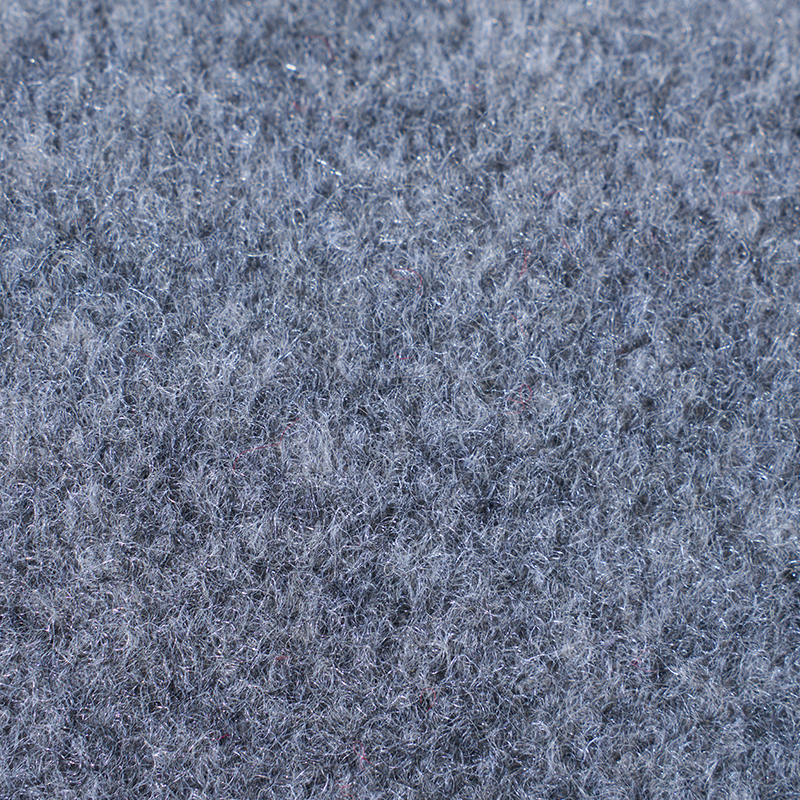
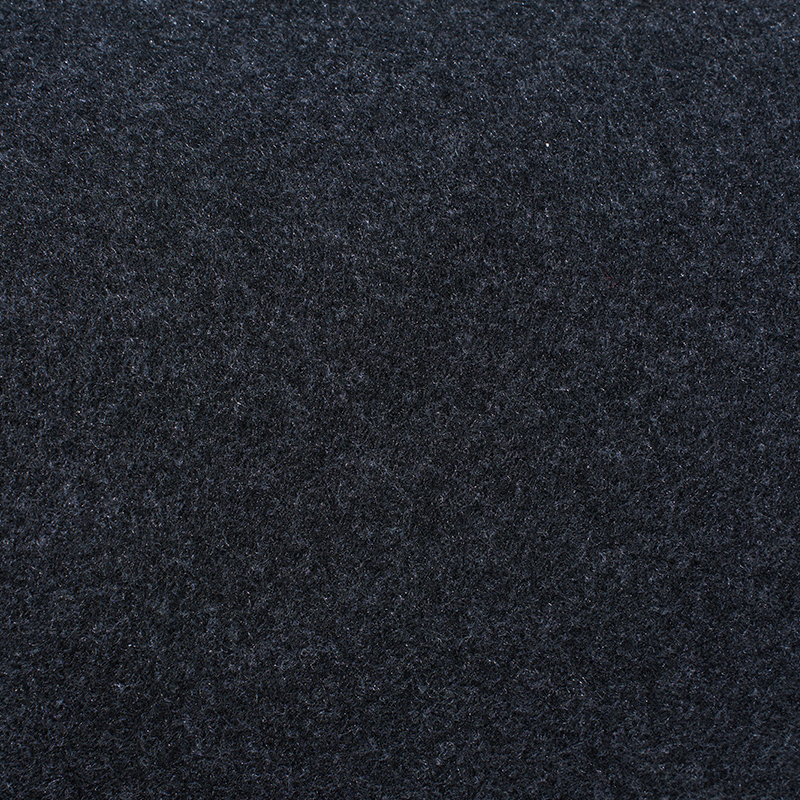
Water-based imitation microfiber has emerged as a notable material within the textile industry, combining performance with ecological considerations. Unlike traditional microfiber that often relies on solvent-based processing, this material adopts a water-based production method, reducing chemical impact while maintaining fine fiber qualities. It provides softness, strength, and versatility, making it suitable for applications in apparel, upholstery, packaging, and industrial products. Its growing relevance highlights the broader role of nonwoven and microfiber innovations in shaping future material trends.
The connection between water-based imitation microfiber and GRS nonwoven fabric illustrates how recycled resources are increasingly being incorporated into high-performance textiles. The Global Recycled Standard promotes responsible fiber use, and combining this approach with water-based processing strengthens both environmental and functional value. Manufacturers are able to create fabrics that retain durability while reducing reliance on virgin raw materials, contributing to recycling initiatives that support long-term sustainability goals.
Sustainable development nonwoven fabric also provides a framework for understanding the importance of water-based imitation microfiber. The water-based process helps lower environmental burdens by minimizing the use of harsh chemicals, while the final product retains durability and adaptability. Its application in automotive interiors, furniture, and fashion aligns with projects where sustainability is integrated into both design and performance.

Cotton nonwoven fabric demonstrates another dimension of textile innovation, and when compared with water-based imitation microfiber, it shows how natural and engineered fibers can complement one another. Cotton offers softness and breathability, while imitation microfiber provides strength and flexibility. Blended or layered designs create fabrics that achieve a balance of comfort and resilience, making them suitable for consumer products that demand both tactile appeal and durability.
Hydrophilic non woven fabric illustrates how functionality can be enhanced within this category. These hydrophilic properties expand applications into sectors where liquid interaction and absorption are necessary, without compromising structural integrity. The integration of absorbent qualities with durable microfiber performance reflects how versatile design can serve both consumer and industrial needs.
Nonwoven felt sheets also share relevance with water-based imitation microfiber, as both materials emphasize structural adaptability. Felt sheets produced from nonwoven processes are dense and uniform, providing insulation, sound absorption, and protective cushioning. Water-based imitation microfiber can complement these uses by offering lighter, softer, and more flexible layers for applications where comfort or surface protection is essential.
Material selection plays a decisive role in the development of water-based imitation microfiber. Polyester, nylon, and recycled fibers are often used to achieve fine filaments that mimic natural suede or leather textures. When combined with water-based binders, these fibers create fabrics that retain high levels of softness while avoiding the environmental concerns associated with solvent-based processes. This alignment of fiber innovation and responsible production practices ensures that water-based imitation microfiber meets both technical and sustainability requirements.
The water-based imitation microfiber continues to gain acceptance in apparel, automotive, furniture, and packaging sectors. Its integration with GRS nonwoven fabric, sustainable development initiatives, cotton nonwoven fabric, hydrophilic adaptations, and nonwoven felt sheet applications reflects its ability to operate within a broad textile framework. The material’s balance of softness, resilience, and ecological benefits ensures that it remains relevant in supply chains that prioritize both performance and sustainability.