

 English
 Español
 عربى
عربى

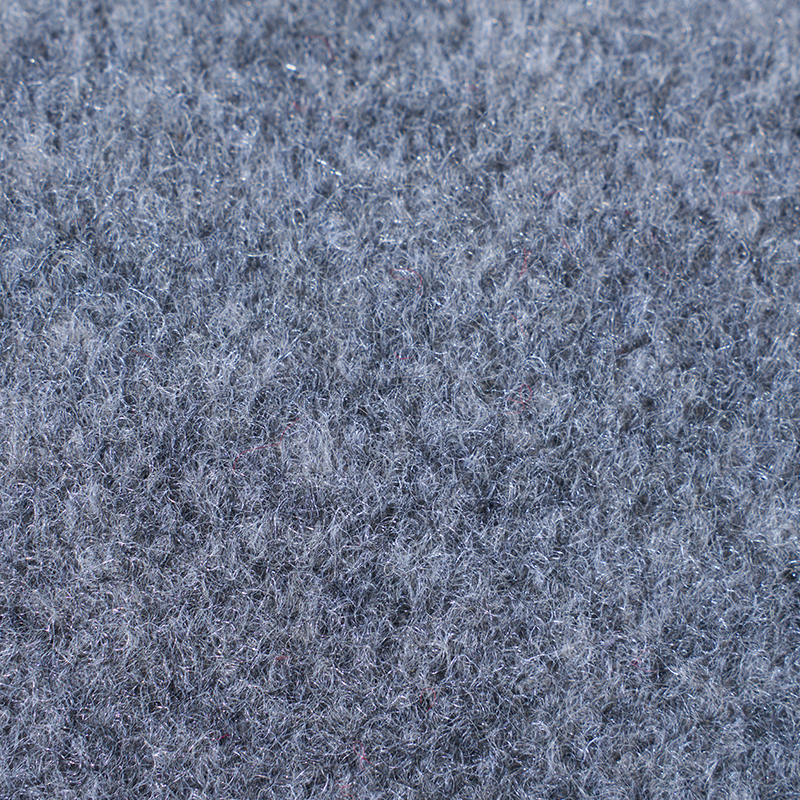
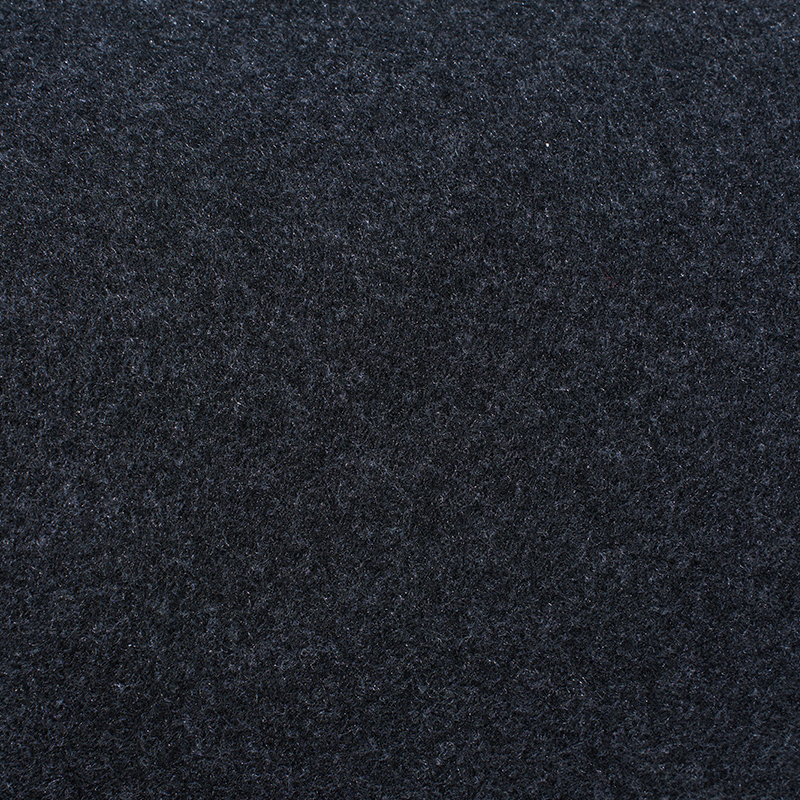
Felt Non Woven Fabric is often used in automotive interior systems as a functional insulation layer, while Water-Based Imitation Microfiber is widely applied as a surface finishing material in seating, dashboard, and decorative panels. In many interior design structures, both materials are discussed together because they serve different but complementary roles. Felt Non Woven Fabric focuses on acoustic and thermal support, while Water-Based Imitation Microfiber contributes to surface comfort and visual quality.
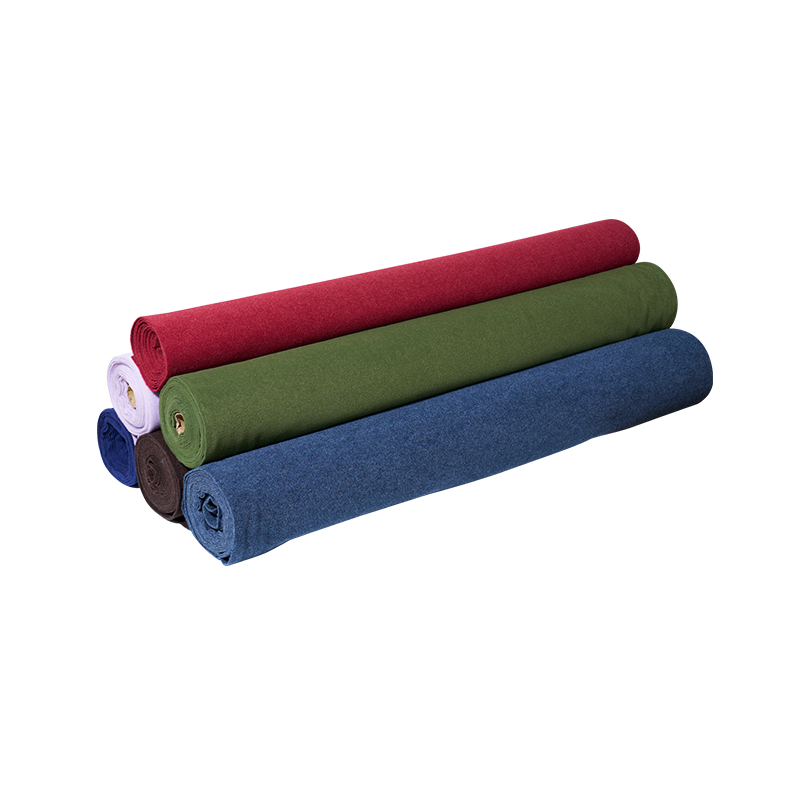
Role of Water-Based Imitation Microfiber in Automotive Interiors
Water-Based Imitation Microfiber is designed to simulate leather-like texture while using a water-based production approach. In automotive interiors, it is used in areas that require frequent human contact, such as seats, armrests, steering covers, and dashboard surfaces.
Felt Non Woven Fabric is typically positioned behind these visible layers. It acts as a structural support material that helps improve noise reduction and thermal buffering. Together, they form a layered system where one material supports performance and the other focuses on user experience.
Comfort and Surface Performance
One of the key characteristics of Water-Based Imitation Microfiber is its soft touch feel. The fine fiber structure allows it to maintain flexibility while offering a smooth surface. This makes it suitable for interior applications where comfort is an important requirement.
In comparison, Felt Non Woven Fabric does not directly interact with users but contributes to overall cabin comfort by reducing vibration and noise transmission. When used together, the materials create a more controlled and stable interior environment.
Durability and Functional Stability
Water-Based Imitation Microfiber is designed to withstand repeated use conditions. It offers resistance to surface wear, bending stress, and color change under light exposure. These properties make it suitable for long-term automotive interior applications.
Felt Non Woven Fabric supports durability from a structural perspective. It maintains shape stability and helps protect internal components from friction and vibration damage. This combination allows interior systems to remain stable over extended usage periods.
Water-Based Production Characteristics
The water-based process used in Water-Based Imitation Microfiber reduces reliance on solvent-heavy production methods. This contributes to lower emission output during manufacturing and supports cleaner production conditions.
Felt Non Woven Fabric is typically produced through mechanical bonding of fibers, making it a stable and adaptable material for layered construction. When combined, both materials reflect different approaches to interior material development—one focused on surface processing, the other on structural formation.
Automotive Interior Application Areas
Water-Based Imitation Microfiber is commonly used in:
- Seat upholstery surfaces
- Dashboard wrapping layers
- Door panel decorative surfaces
- Central console coverings
Felt Non Woven Fabric is used in supporting positions such as:
- Seat inner cushioning layers
- Roof insulation systems
- Floor soundproofing layers
- Door interior backing structures
These applications show how the two materials operate in different layers of the same system.
Material Combination in Interior Design
In modern automotive interiors, layered material structures are widely adopted. Water-Based Imitation Microfiber provides the outer visual and tactile surface, while Felt Non Woven Fabric supports internal acoustic and thermal functions.
This layered approach helps separate functional responsibilities within the interior system. It allows designers to adjust surface appearance without affecting internal insulation performance.
Development Direction in Interior Materials
The use of Water-Based Imitation Microfiber continues to expand in automotive interiors where flexible surface design and comfort are required. At the same time, Felt Non Woven Fabric remains important in structural and insulation roles.
When combined, these materials support interior systems that balance comfort, durability, and functional performance without relying on a single material solution.