

 English
 Español
 عربى
عربى

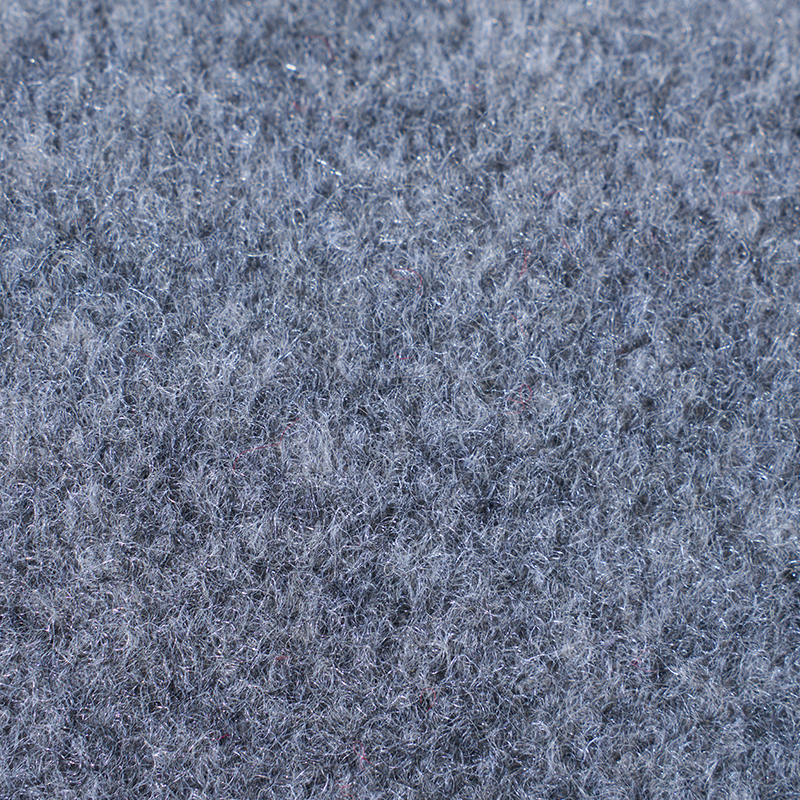
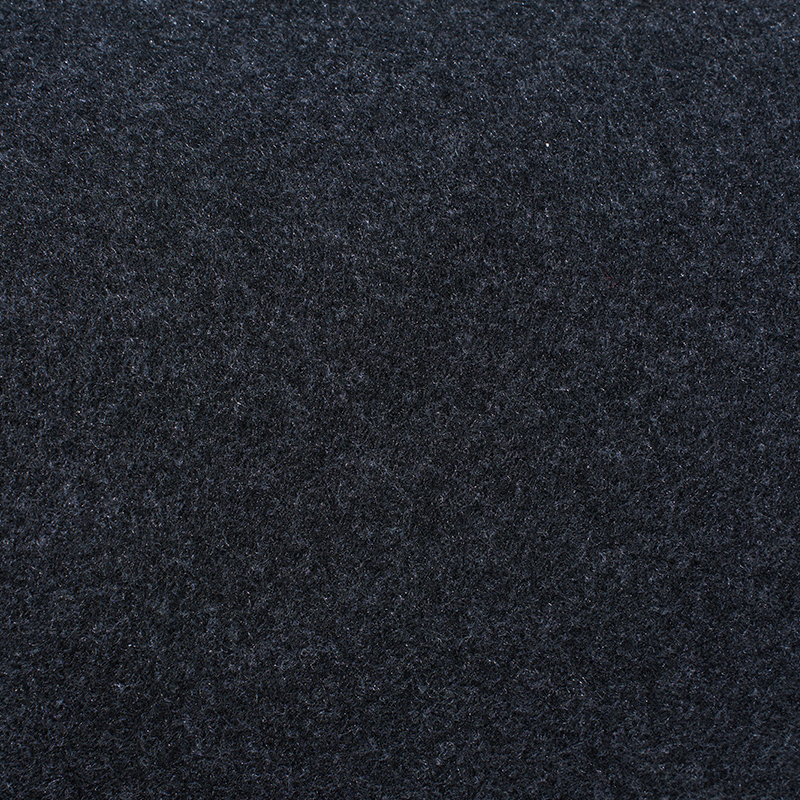
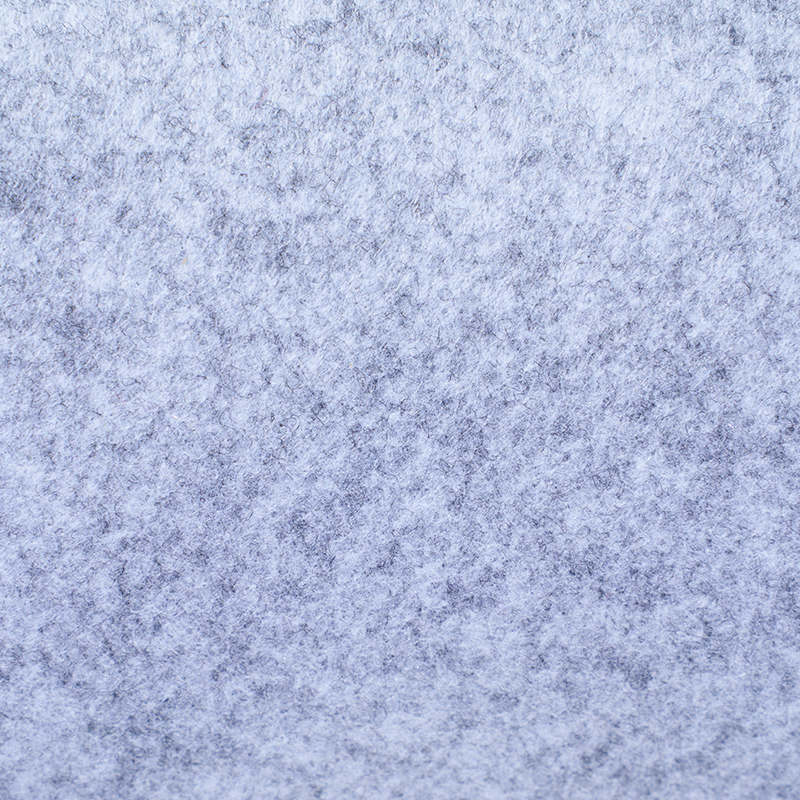
Biodegradable breathable bonded nonwoven fabric has become an innovative material choice in multiple industries due to its balance of environmental responsibility and functional performance. Designed to combine strength, air permeability, and eco-friendly characteristics, this fabric type is used in packaging, hygiene products, agriculture, and various industrial applications. Its composition and structure offer durability for intended use while allowing the material to naturally decompose after disposal, supporting sustainable practices.
This fabric is manufactured using a bonding process that joins fibers together without the need for traditional weaving or knitting. The bonding methods can include thermal, chemical, or mechanical processes, resulting in a uniform structure. Breathability is a central feature, achieved through carefully engineered pore sizes that allow air and moisture exchange. At the same time, the bonded layers give the fabric stability and resistance to tearing. By using biodegradable fibers, the material maintains strength during its service life and breaks down more readily once discarded.
One of the primary advantages of this nonwoven fabric is its biodegradable nature. Conventional synthetic fabrics may persist in landfills for long periods, but this fabric is designed to return to natural elements over time. This makes it a suitable choice for industries seeking to reduce environmental impact. In addition, its breathability supports applications where comfort, ventilation, or controlled moisture levels are important, reducing the need for additional treatments or coatings.
Breathable bonded nonwoven fabric is often used for disposable masks, gowns, drapes, and sanitary products. The material’s air permeability contributes to wearer comfort, while its strength ensures reliability during use. After disposal, its biodegradable qualities help address concerns about medical and hygiene waste, which are produced in large volumes. The balance of functionality and environmental responsibility makes it a practical solution for single-use items.
Agricultural applications also benefit from this fabric. It can be used as crop covers, plant protection sheets, or soil stabilizers. The breathability allows proper air and moisture circulation, supporting plant growth while offering a barrier against pests or harsh weather. In packaging, biodegradable breathable bonded nonwoven fabric serves as an alternative to plastics for wrapping and protective covers. Its strength protects goods during handling and transport, while its decomposable nature helps small waste accumulation.
Beyond healthcare and agriculture, this material finds use in filtration, home furnishings, and consumer goods. In filtration, the controlled pore structure allows effective separation of particles while maintaining airflow. In home furnishings, the fabric can be applied as a lining, backing, or reinforcement layer. For consumer products, it may be used in items where breathability and eco-friendliness are valued, such as bags, covers, and disposable goods.
As industries continue to focus on sustainable development, biodegradable breathable bonded nonwoven fabric is likely to see growing demand. Ongoing research is directed toward enhancing its performance, such as improving biodegradation rates under different conditions, increasing durability during use, and exploring new biodegradable raw materials. These advancements may expand its applications and provide further alignment with environmental goals.
Biodegradable breathable bonded nonwoven fabric demonstrates how innovative material design can address both functional requirements and ecological concerns. By combining breathability, strength, and the ability to biodegrade, it offers versatile applications across sectors. Its role in supporting sustainability makes it a valuable choice for industries that aim to balance performance with environmental responsibility.