

 English
 Español
 عربى
عربى

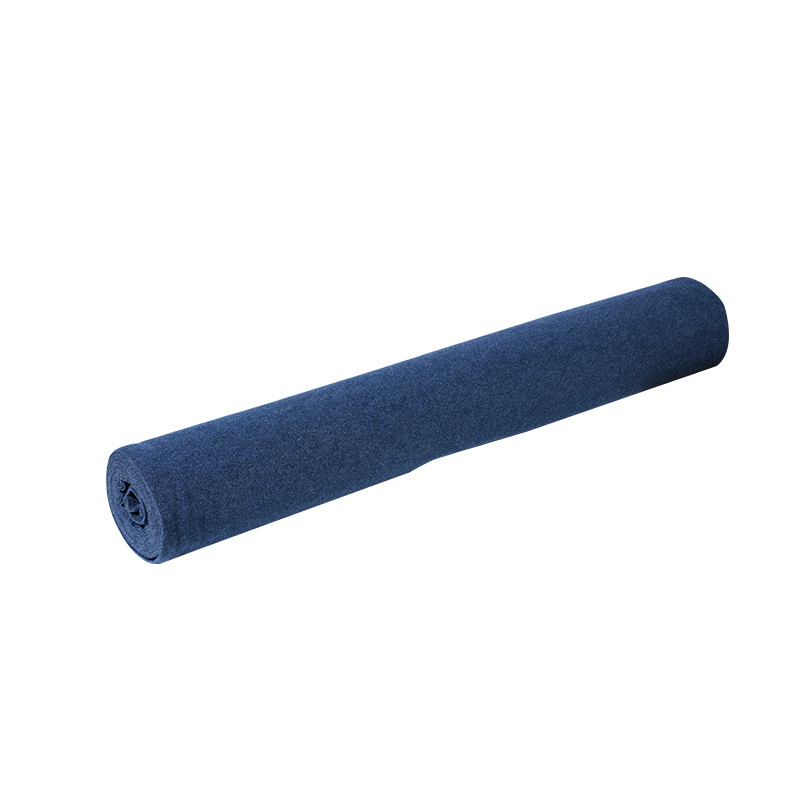
Industrial nonwoven compressed felt material roll is a versatile and practical material widely used across various manufacturing and industrial applications. Combining the strength and resilience of compressed felt with the flexibility of nonwoven production, this material offers reliable performance in situations that require cushioning, insulation, or protective layering.
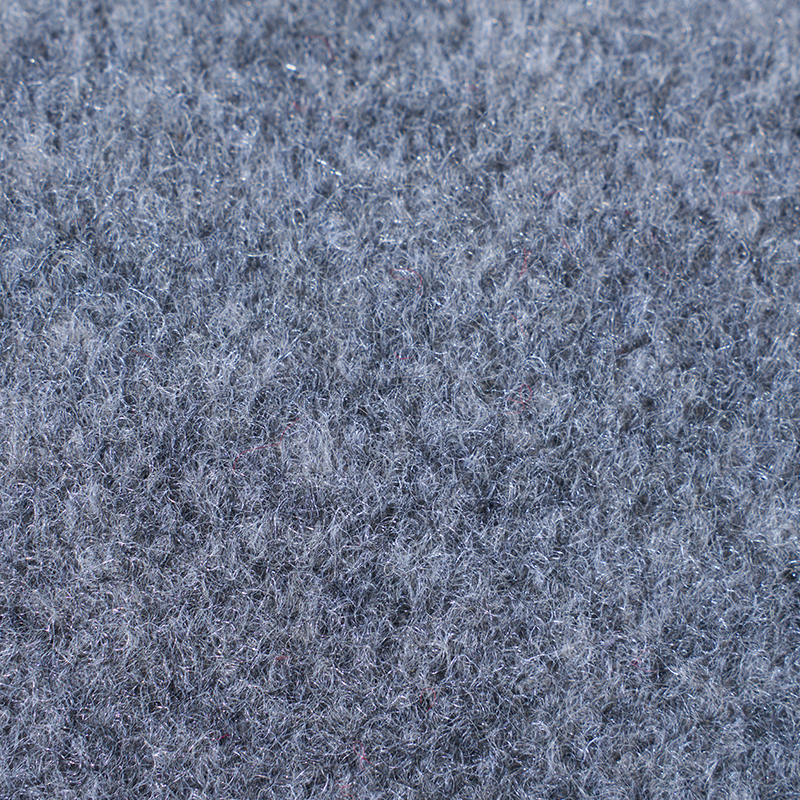
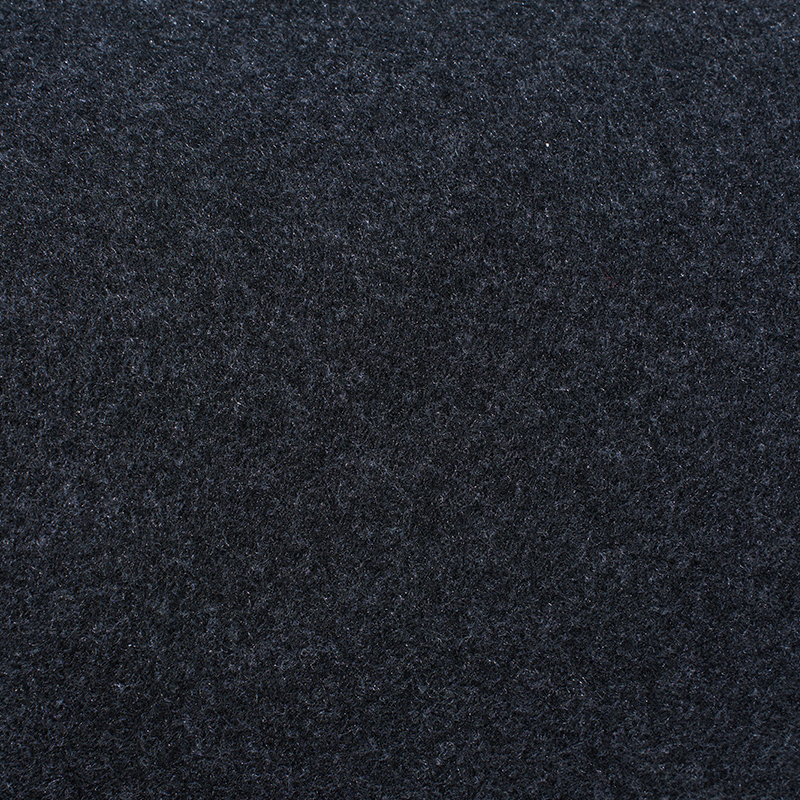
The primary characteristic of this material is its compressed structure. During production, fibers are densely packed and bonded, resulting in a uniform and durable sheet. This density enhances the material’s load-bearing capacity, tear resistance, and stability, making it suitable for industrial tasks that demand consistent performance under stress. The compression process also reduces thickness variations and improves dimensional stability, allowing for easier handling, cutting, and application.
Nonwoven construction provides additional advantages. Unlike woven fabrics, nonwoven materials are created by mechanically, chemically, or thermally bonding fibers together. This method results in a material with controlled density, uniform thickness, and consistent texture. The nonwoven nature of the felt allows it to conform to various surfaces while maintaining structural integrity, making it useful in applications ranging from protective padding to gaskets and seals.
The material’s versatility is further enhanced by its roll format. Industrial rolls can be easily transported, stored, and cut to the desired size on demand. This flexibility allows manufacturers and industrial users to adapt the material for specific requirements, whether for large-scale production or small-scale custom projects. The roll format also reduces waste and simplifies inventory management, as sections can be cut precisely without the need for pre-sized sheets.
One common application of industrial nonwoven compressed felt is in cushioning and padding. Its density provides good support while absorbing vibrations, shocks, and impacts. This makes it suitable for machinery protection, packaging of delicate equipment, or lining industrial containers. The felt’s ability to distribute weight evenly also reduces wear and tear on underlying surfaces, contributing to longer-lasting equipment and materials.
In addition to cushioning, the material serves well as an insulator. Compressed felt can provide thermal, acoustic, and even minor electrical insulation depending on its fiber composition. In industrial environments where noise reduction or temperature control is important, felt layers can be installed to mitigate vibrations and dampen sound. Its insulating properties also help maintain energy efficiency and protect equipment from extreme conditions.
Durability and maintenance are important aspects of industrial nonwoven compressed felt. The dense fiber structure allows the material to withstand repeated use, abrasion, and moderate exposure to chemicals or moisture, depending on the type of fibers used. Its nonwoven construction also prevents fraying at the edges, reducing maintenance requirements and extending the lifespan of the material in demanding industrial settings.
Sustainability considerations are increasingly relevant. Nonwoven compressed felt can be manufactured from recycled or eco-friendly fibers, contributing to reduced environmental impact. The roll format further supports efficient material usage, small waste during cutting and application.
In summary, industrial nonwoven compressed felt material roll is a reliable and adaptable material for various industrial applications. Its compressed structure, combined with nonwoven production, provides durability, stability, and cushioning properties. The roll format allows flexible use and precise customization, while its insulating and protective characteristics make it suitable for machinery, packaging, and industrial equipment.