

 English
 Español
 عربى
عربى

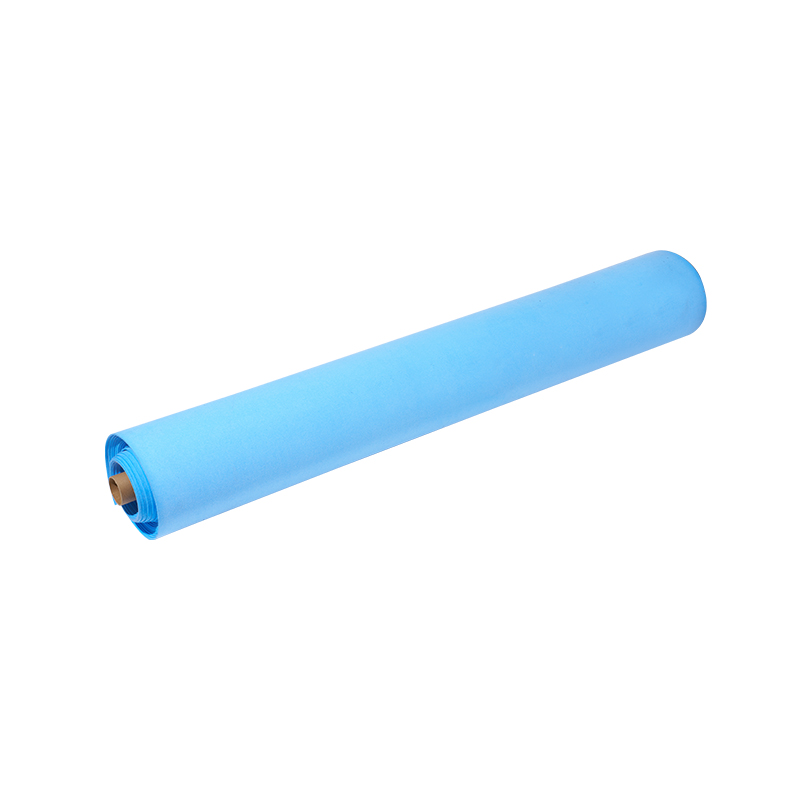
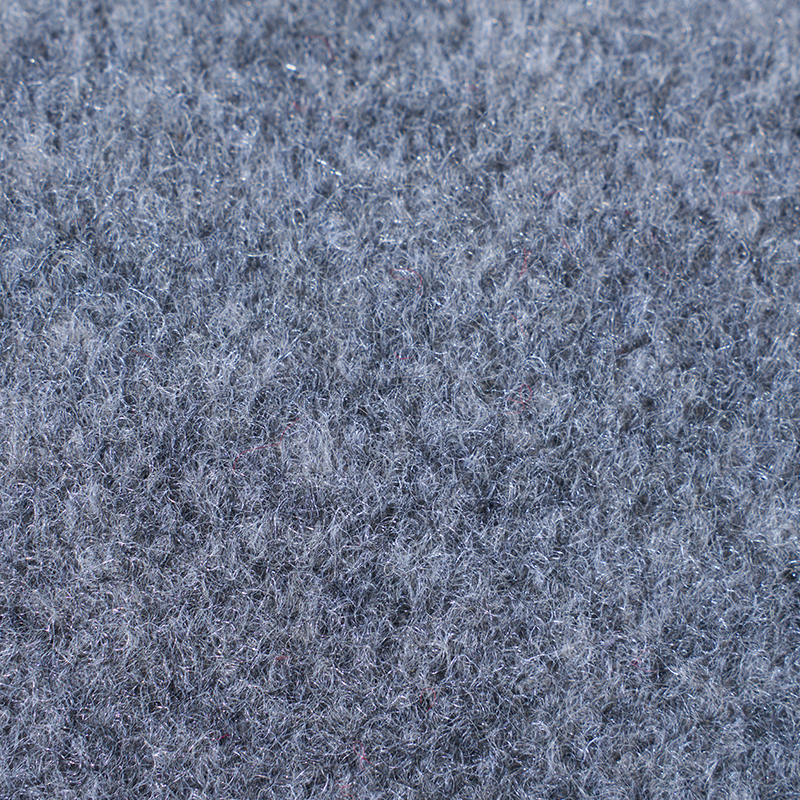
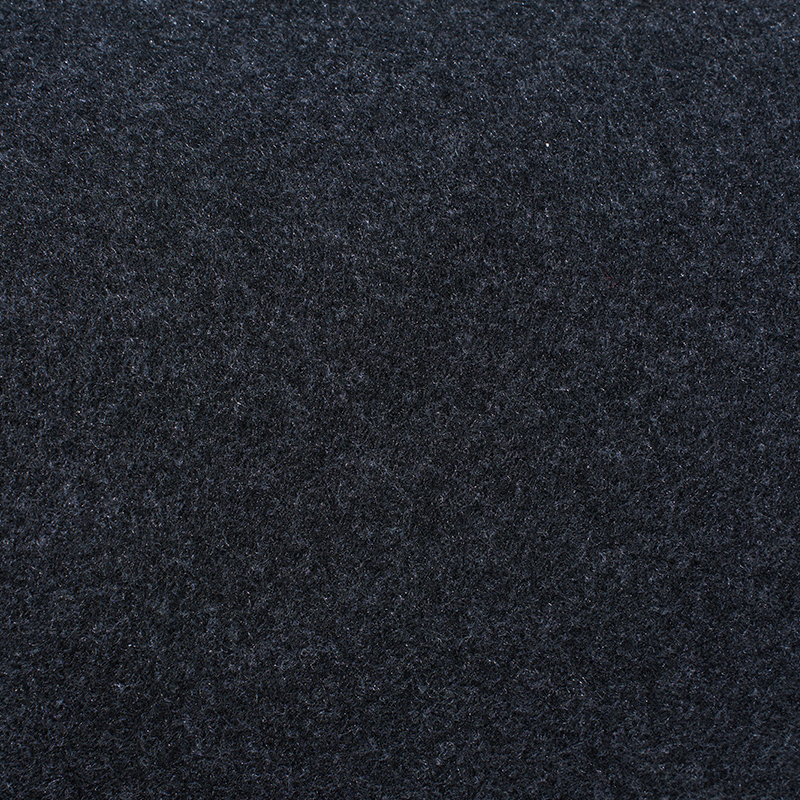
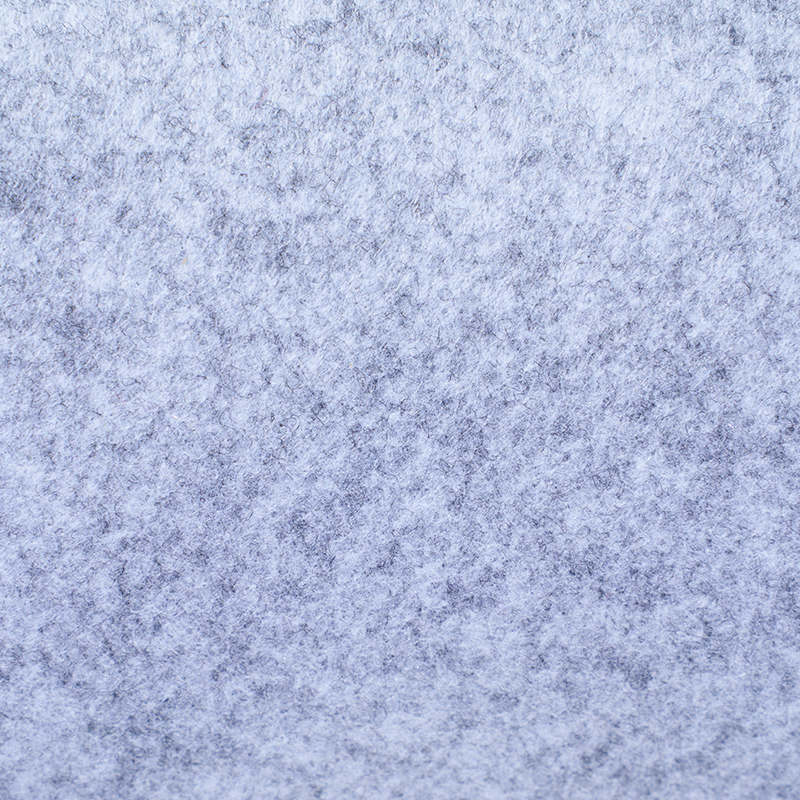
High-strength reinforced nonwoven fabric represents an important development in technical textiles, combining nonwoven technology with reinforcement methods to achieve greater durability and stability. By incorporating strengthening layers or reinforcement techniques, this type of fabric is designed to withstand demanding conditions while maintaining the advantages of nonwoven production, such as versatility and efficiency.
The production of reinforced nonwoven fabric begins with a fiber web formed through mechanical, thermal, or chemical bonding. To enhance its strength, reinforcement elements such as mesh, scrims, or layered structures are integrated during manufacturing. These reinforcements improve tensile properties, tear resistance, and dimensional stability. The final result is a nonwoven material with structural performance that can meet the requirements of various industrial and commercial applications.
Reinforced nonwovens are known for their stability, resistance to wear, and ability to maintain form under pressure. The reinforcement contributes to improved load-bearing capacity, allowing the material to serve as a protective layer, structural support, or surface covering. Despite its strength, the fabric can remain lightweight and easy to handle. This balance of durability and manageability makes reinforced nonwoven fabric a practical choice for diverse sectors.
In construction, high-strength reinforced nonwoven fabric is commonly used as geotextiles, roofing underlays, and protective barriers. Its durability allows it to perform in soil stabilization, erosion control, and drainage systems. The nonwoven structure ensures adaptability to various installation environments, while reinforcement extends service life.
In the automotive and transportation industries, reinforced nonwoven fabric is applied to interior linings, insulation components, and protective layers. The material offers mechanical stability without adding unnecessary weight, which is important in vehicle design. It also provides sound dampening and thermal insulation when engineered with specific fiber blends. Reinforcement ensures that the fabric withstands the stress of continuous use and exposure.
high-strength nonwoven fabric also has roles in packaging, particularly where protective strength is required. Reinforced sheets can be used to wrap heavy or sharp objects, offering resistance against tearing during handling. In industrial environments, it may be used as a covering material, a separation layer, or reinforcement in composites. These uses demonstrate the adaptability of reinforced nonwoven materials in both protective and structural roles.
Reinforced nonwoven fabrics can be produced with recyclable fibers or biodegradable options, supporting more sustainable material choices. The reinforcement itself may also be sourced from eco-friendly components. By extending the functional life of products and reducing replacement needs, reinforced nonwoven fabrics can contribute to resource efficiency. Ongoing research focuses on combining high performance with environmentally responsible raw materials.
Future advancements are expected to refine the balance between strength, flexibility, and sustainability. Research may explore new reinforcement techniques, hybrid fiber blends, and improved recyclability. These innovations will likely broaden the range of industries adopting reinforced nonwovens and open opportunities for advanced applications in construction, transport, and packaging.
High-strength reinforced nonwoven fabric demonstrates how reinforcement can enhance the performance of nonwoven materials. Through improved durability, dimensional stability, and adaptability, this fabric type finds applications in construction, automotive, packaging, and industrial fields. With continuous innovation and sustainable development, reinforced nonwoven fabrics are positioned to play an increasingly important role in modern material solutions.