

 English
 Español
 عربى
عربى

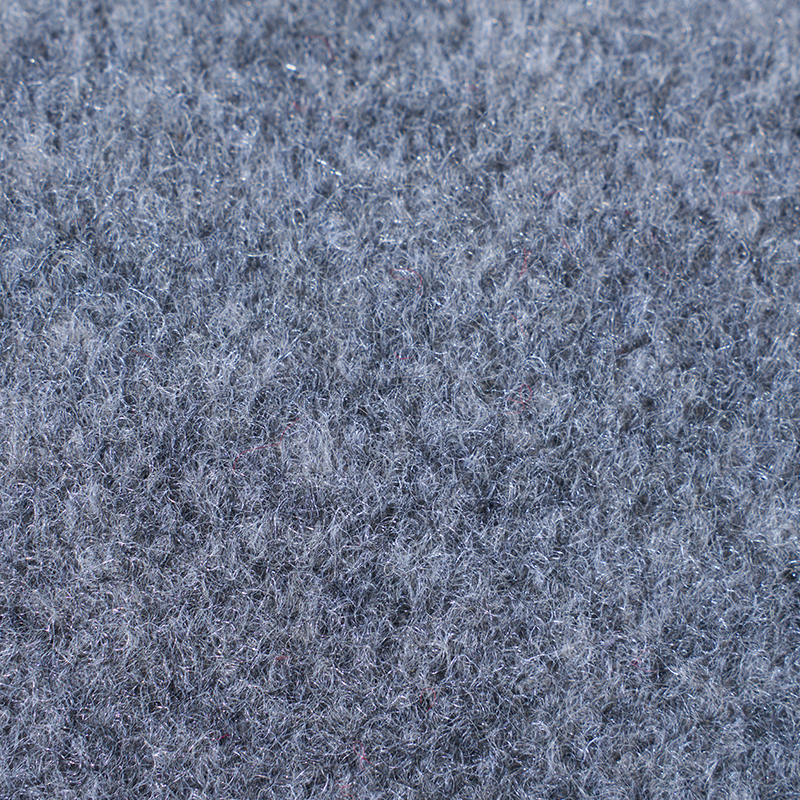
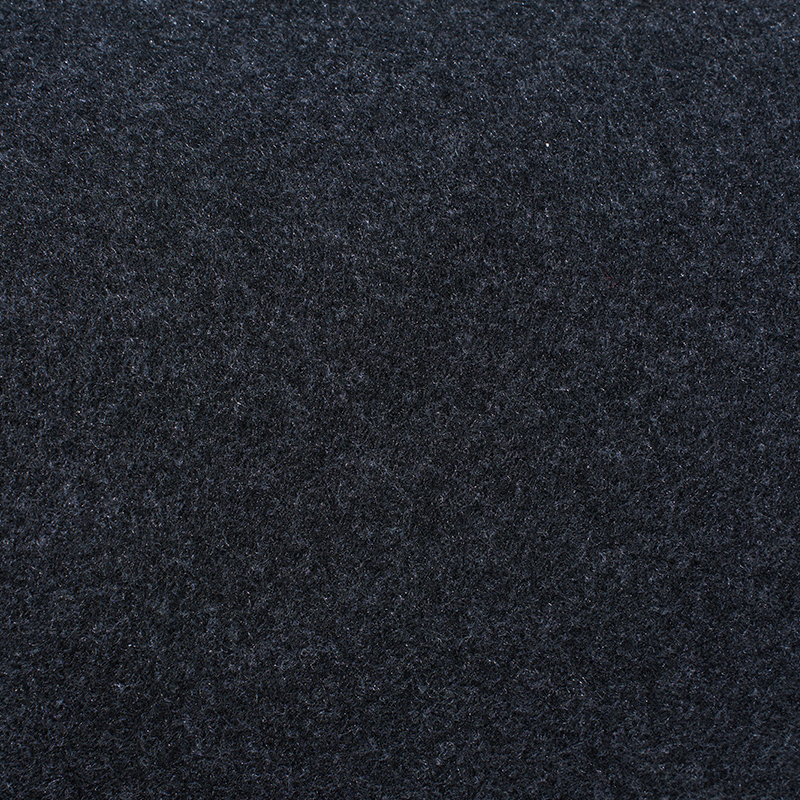
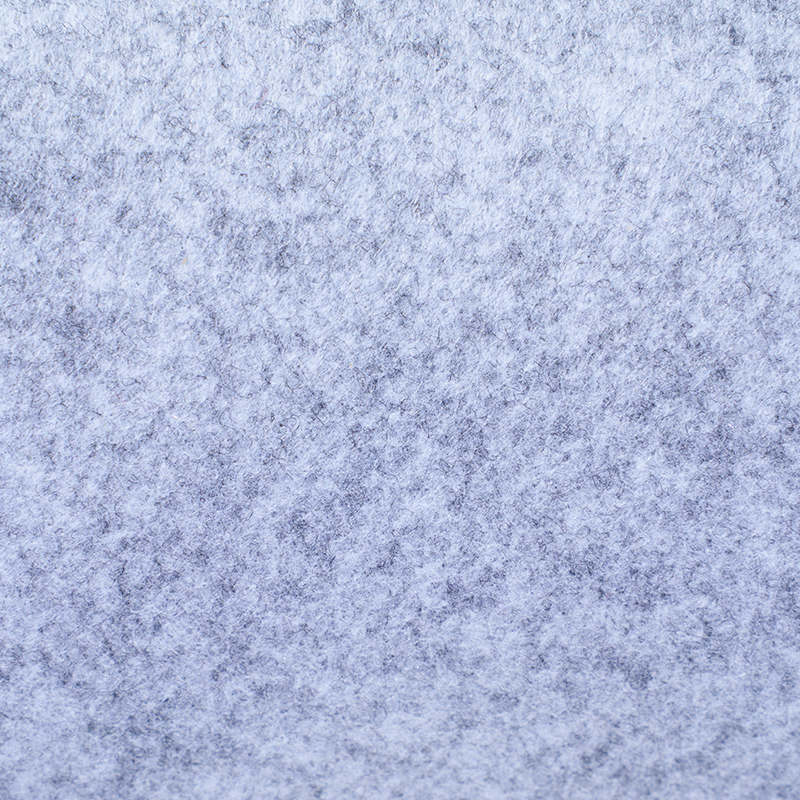
Soft stitchbond non woven fabric is a versatile textile material produced through a unique bonding method that combines fibers with stitching techniques. Unlike traditional woven or knitted fabrics, stitchbond nonwovens do not rely on interlacing yarns. Instead, fibers are layered and reinforced with stitching, creating a stable and flexible sheet. This process gives the fabric distinct qualities, including durability, softness, and adaptability for a wide range of applications.
The production of stitchbond non woven fabric begins with a web of fibers that is stitched through with continuous threads. This method strengthens the material while maintaining a lightweight structure. The stitching pattern can vary to provide different levels of reinforcement, texture, and flexibility. When designed with a soft finish, the fabric delivers comfort along with stability. The resulting product offers a balance between textile strength and tactile appeal, making it suitable for many industries.
One of the main characteristics of soft stitchbond non woven fabric is its pleasant texture. The material is engineered to offer a smooth, soft surface that enhances comfort in use. This makes it suitable for consumer products where skin contact is common, such as mattress covers, upholstery, or protective linings. The fabric’s softness also adds a refined feel to applications in packaging or furnishings, elevating both function and sensory experience.
In the home and furnishing sector, stitchbond non woven fabric is commonly used for mattress backing, furniture linings, and decorative components. Its stability ensures it holds shape during use, while its soft surface improves overall comfort. Upholstered furniture often incorporates this fabric as a supportive layer, helping to balance strength with a pleasant hand feel. The material’s adaptability allows designers to select stitch patterns and finishes that match specific requirements.
Another significant use of soft stitchbond fabric is in packaging. Its combination of softness and structural integrity makes it suitable for protective covers, bags, and reusable packaging solutions. The soft surface helps prevent scratches on delicate items, while the stitched reinforcement provides durability during handling. This balance of qualities makes it a practical choice for industries that value both presentation and protection.
Beyond home and packaging, soft stitchbond non woven fabric has applications in construction, automotive, and filtration. In construction, it may serve as reinforcement layers or protective sheets. In the automotive industry, it can be applied to interior linings and insulation materials. For filtration, the stitching method allows controlled pore structures that support efficient separation of particles. These varied uses demonstrate the material’s adaptability across sectors.
As sustainability gains importance, stitchbond nonwoven fabrics can be manufactured using recyclable or biodegradable fibers. This approach helps align product design with environmental goals while maintaining performance. Advances in fiber technology and production methods continue to expand the options available, making soft stitchbond fabrics a valuable material for industries seeking eco-conscious alternatives.
Soft stitchbond non woven fabric offers a distinctive combination of softness, structural strength, and versatility. Its production method creates a fabric that is stable yet comfortable, suitable for applications in home furnishings, packaging, industry, and more. With ongoing developments in material innovation and sustainability, stitchbond nonwovens are positioned to remain a practical choice for diverse applications where both function and comfort are required.