

 English
 Español
 عربى
عربى

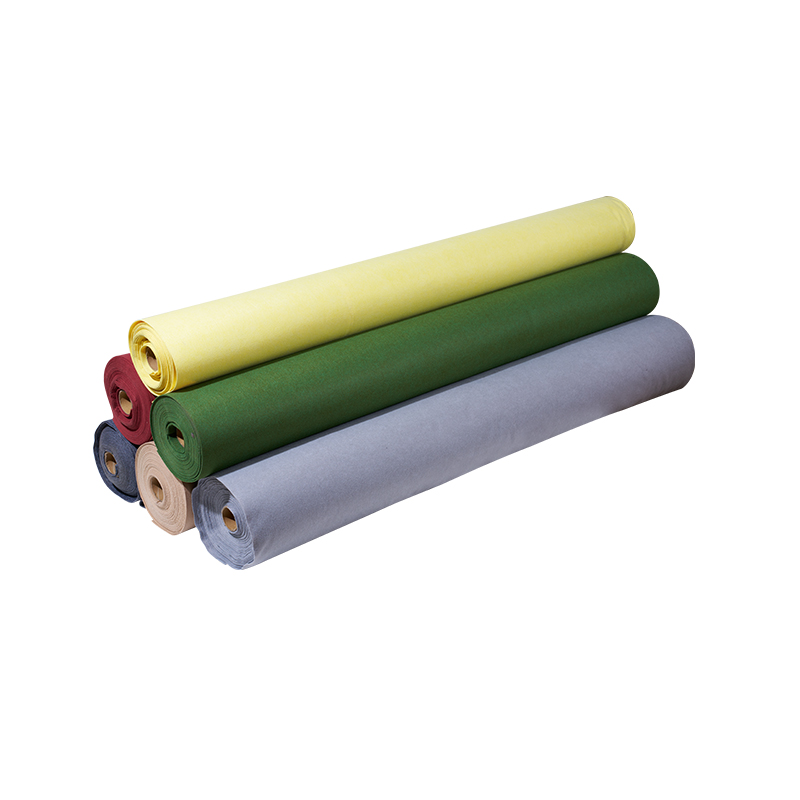
Polypropylene non woven filter fabric is a versatile textile material specifically designed for filtration applications. Nonwoven fabrics are produced by bonding fibers together using mechanical, thermal, or chemical processes rather than traditional weaving or knitting. Polypropylene, a thermoplastic polymer, is a preferred fiber choice for filtration materials due to its chemical resistance, lightweight nature, and structural stability. The combination of nonwoven construction and polypropylene fibers results in a fabric that offers efficient particle capture, durability, and adaptability across industrial, commercial, and consumer filtration applications.
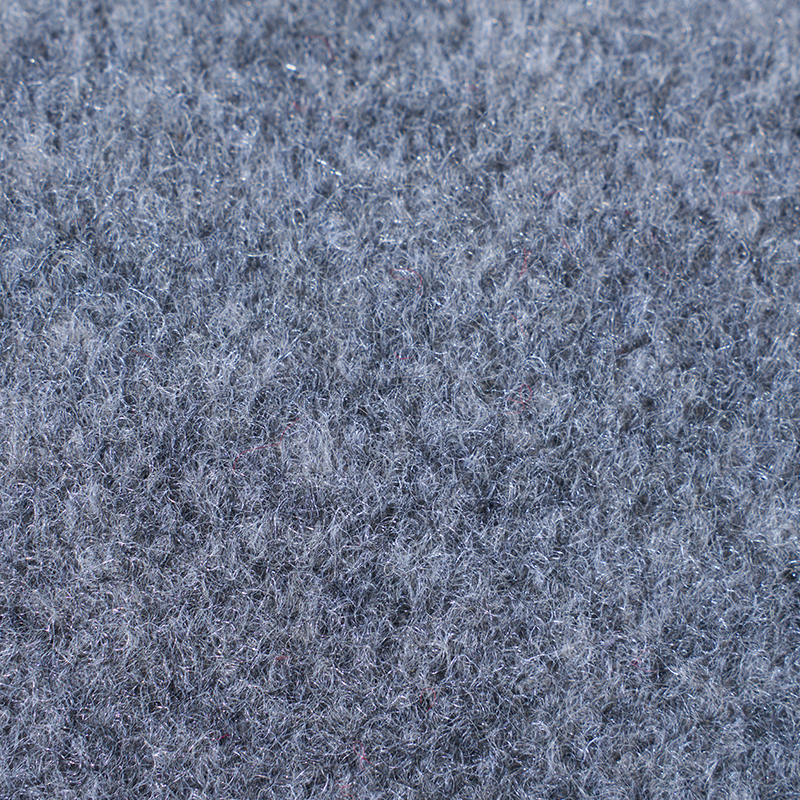
One of the primary advantages of polypropylene non woven filter fabric is its filtration efficiency. The dense network of bonded fibers provides an effective medium for trapping airborne or liquid particles, making it suitable for applications such as air filters, water filters, and industrial dust collection systems. The material’s fiber structure can be engineered to provide specific pore sizes, ensuring precise filtration performance based on the requirements of different systems. This adaptability allows manufacturers to design filters that meet performance standards without compromising airflow or liquid flow rates.
Durability is another important feature of polypropylene non woven filter fabric. The material exhibits resistance to tearing, stretching, and chemical degradation, ensuring long-lasting performance in demanding environments. Its lightweight nature simplifies handling and installation, while its inherent strength allows the fabric to maintain structural integrity during operation. This reliability is especially valuable in industrial, HVAC, and environmental applications where consistent filtration performance is critical.
The versatility of polypropylene non woven filter fabric extends to customization options. Manufacturers can vary fiber density, thickness, and layering to achieve different filtration ratings and flow characteristics. The fabric can be laminated with other nonwoven materials or coated to improve properties such as water resistance or chemical protection. This flexibility ensures that polypropylene filter fabrics can be tailored to meet specific operational requirements while maintaining durability and efficiency.
The material also provides practical advantages in terms of maintenance and usage. Polypropylene fibers resist moisture absorption, reducing the risk of mold or bacterial growth, and enabling easier cleaning and longer service life. In disposable applications, the fabric can be safely replaced without generating excessive waste, while in reusable applications, it maintains its filtration properties after cleaning or sterilization procedures. These characteristics make it suitable for a broad range of settings, including industrial filtration, laboratory systems, automotive applications, and household filters.
From an environmental perspective, polypropylene non woven fabrics can be produced efficiently with small energy consumption compared to woven alternatives. Many manufacturers also utilize recyclable polypropylene fibers, allowing for responsible disposal and potential reuse of material. The lightweight nature of the fabric reduces transportation costs and energy use, further supporting sustainable practices in manufacturing and application.
In summary, polypropylene non woven filter fabric is a durable, efficient, and versatile material suitable for multiple filtration applications. Its nonwoven construction and polypropylene fiber composition provide effective particle capture, chemical resistance, and structural stability. With customizable properties, ease of maintenance, and practical performance, this fabric meets the demands of industrial, commercial, and consumer filtration systems while offering durability and adaptability for a wide range of applications.