

 English
 Español
 عربى
عربى

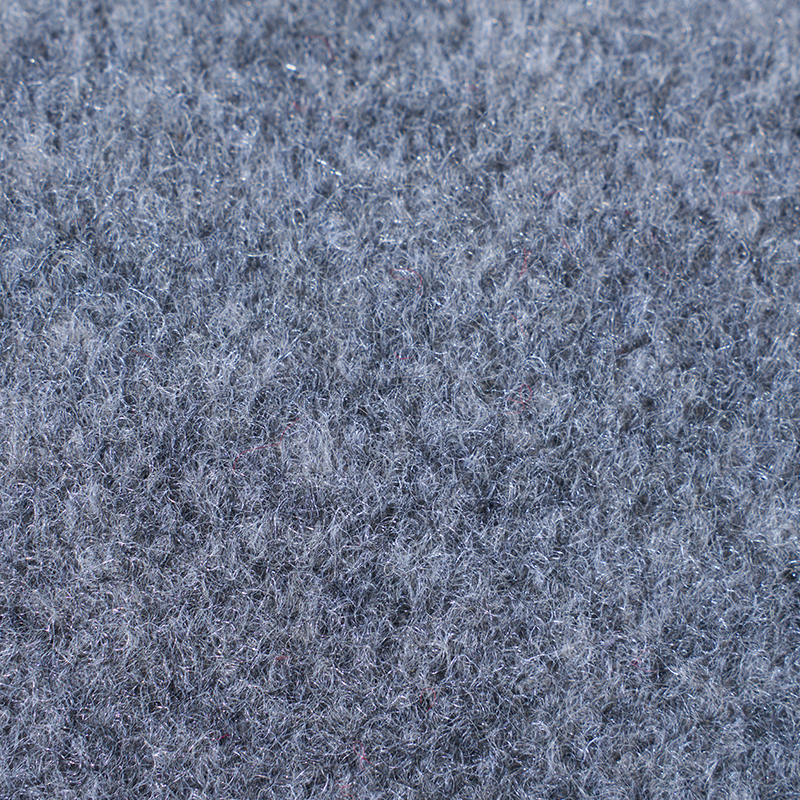
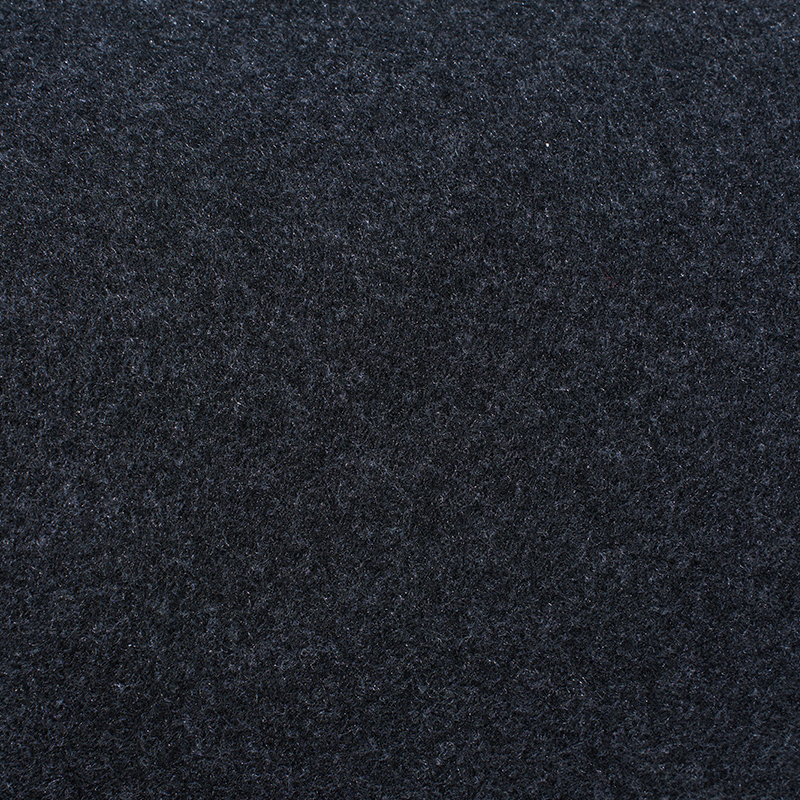
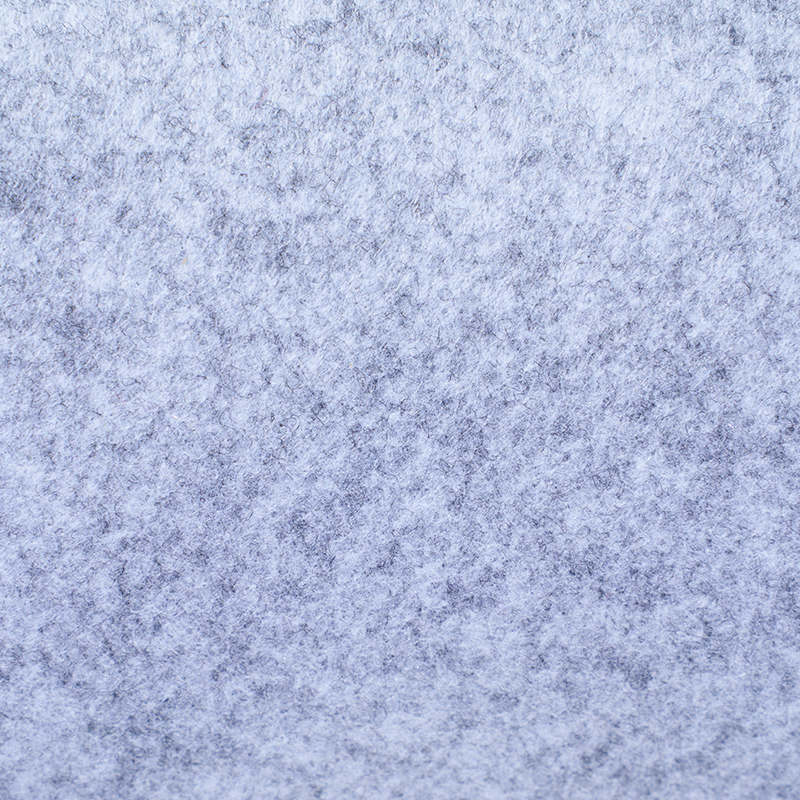
Consolidated tight-structure firm nonwoven fabric is a textile material designed to offer high strength, stability, and consistent performance across various applications. The consolidated, tight-structure variant undergoes additional pressing or bonding, resulting in a dense and firm material with enhanced mechanical properties. This combination of strength and structure makes it suitable for industrial, commercial, and consumer applications where durability, stability, and reliability are required.
One of the primary features of consolidated tight-structure nonwoven fabric is its mechanical strength. The dense fiber network provides resistance to tearing, stretching, and abrasion, making it ideal for applications that involve repeated handling, stress, or load-bearing. This property ensures that products made from this fabric maintain their shape and integrity over time, which is essential for applications such as protective padding, insulation layers, filtration materials, automotive components, and packaging inserts.
The firm structure also contributes to dimensional stability. The consolidation process reduces the risk of deformation under pressure, allowing the material to retain thickness and shape during use. This makes it suitable for structured products that require rigidity, such as display boards, industrial linings, furniture padding, and molded components. Despite its firmness, the material maintains a degree of flexibility that allows it to be cut, shaped, or laminated with other materials without compromising its overall strength.
Durability is a notable benefit of this fabric. The tight, consolidated fibers resist wear and tear, enabling long-term use in demanding environments. Its resistance to abrasion and puncture makes it practical for both industrial and consumer applications. Additionally, the material’s nonwoven structure can absorb and distribute pressure or impact evenly, improving performance in protective or cushioning applications.
The versatility of consolidated, tight-structure firm nonwoven fabric is another advantage. It can be produced with different fiber compositions, including synthetic fibers such as polyester or polypropylene, natural fibers like cotton or wool, or blended combinations. This flexibility allows manufacturers to customize properties such as thickness, density, stiffness, and surface texture to meet specific application requirements. Additional surface treatments can enhance water resistance, chemical resistance, or fire retardancy, expanding the fabric’s practical applications further.
Practical handling and fabrication make this fabric appealing to manufacturers. It can be cut, molded, laminated, or sewn without fraying, simplifying production and assembly processes. Its stable structure supports consistent performance in composite materials or layered constructions, making it a reliable choice for complex designs or functional products.
From an environmental perspective, nonwoven fabrics can be produced using energy-efficient methods and recyclable fibers, supporting sustainable practices. The consolidation process smalls material waste, and the use of recyclable or blended fibers further contributes to environmental responsibility. This balance of durability, functionality, and sustainability aligns with modern manufacturing and design priorities.
In summary, consolidated tight-structure firm nonwoven fabric is a reliable, durable, and versatile material suitable for a wide range of applications. Its dense, firm structure provides mechanical strength, dimensional stability, and long-lasting performance. From industrial and automotive uses to protective, structural, and consumer applications, this fabric combines functionality, ease of fabrication, and sustainable production options. It represents a practical solution for projects that demand strength, stability, and versatility in a single material.