

 English
 Español
 عربى
عربى

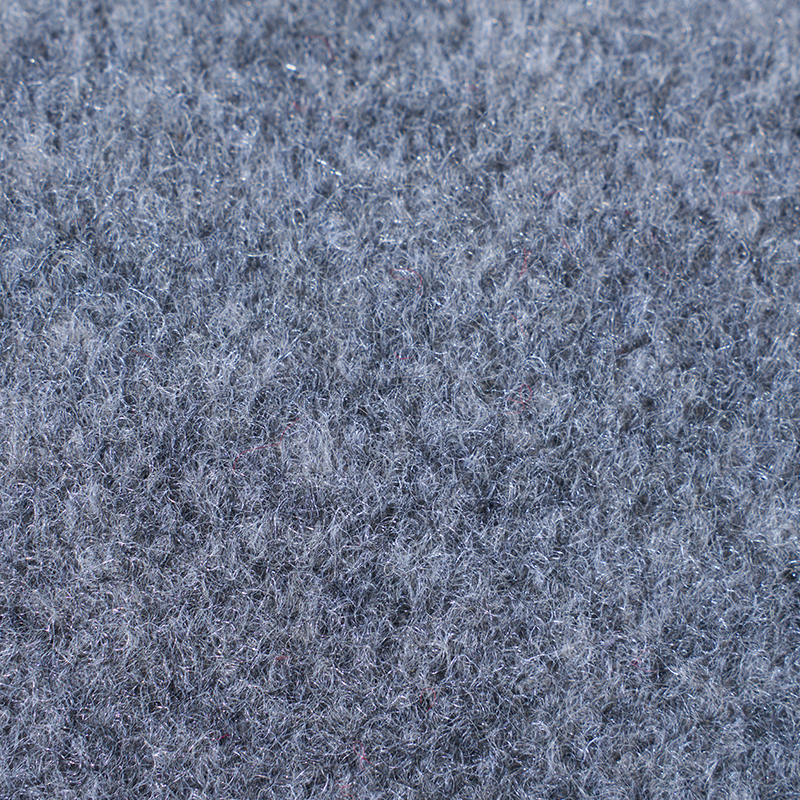
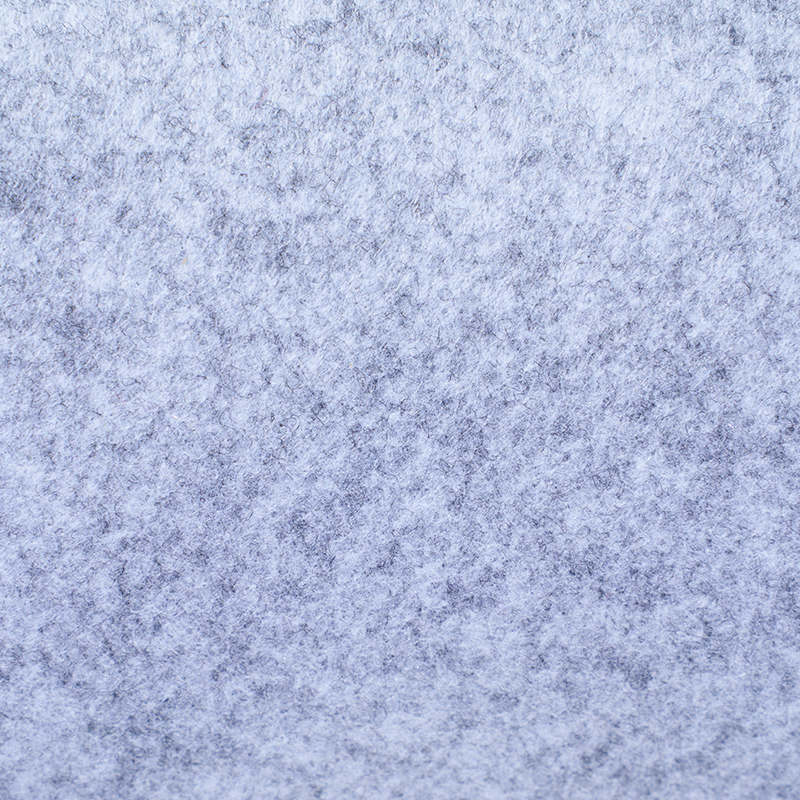
Felt non woven fabric is a material widely used across industrial, commercial, and everyday applications due to its simple structure and functional performance. Unlike woven or knitted textiles, felt non woven fabric is produced by bonding fibers together through mechanical, thermal, or chemical processes. This structure gives the material unique properties that make it suitable for cushioning, insulation, filtration, and surface protection.
One of the most recognizable characteristics of felt non woven fabric is its dimensional stability. Because the fibers are entangled rather than woven, the material does not easily fray at the edges when cut. This allows manufacturers to process sheets and rolls with minimal finishing. In industrial environments, this property supports efficient production and consistent material usage, particularly in applications where precise shapes or repeated cutting is required.
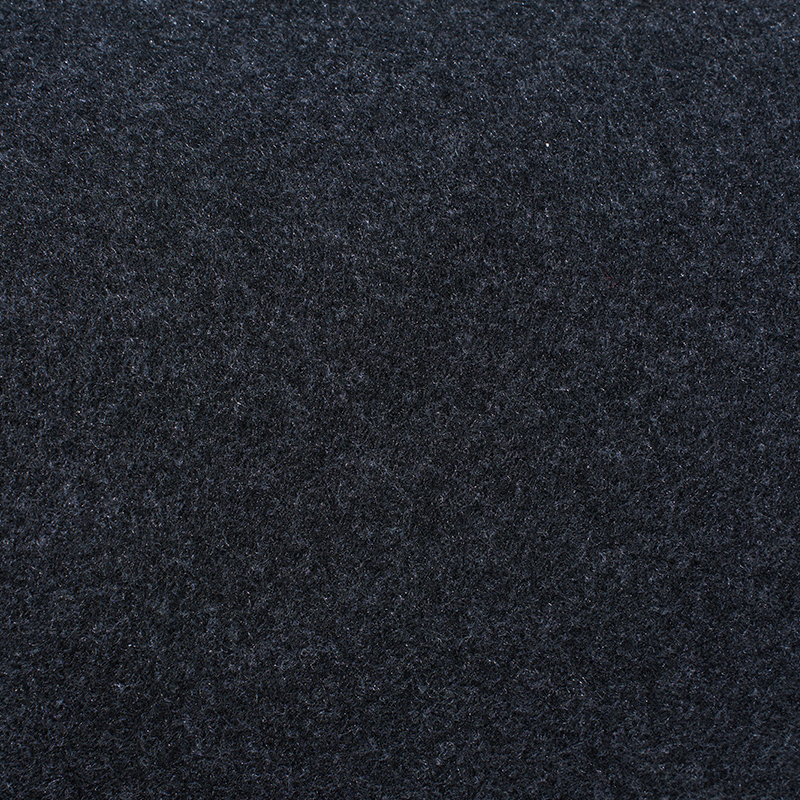
Mechanical performance is another important factor. Felt non woven fabric offers a balance between softness and resistance, allowing it to absorb vibration and distribute pressure evenly. In packaging and industrial protection applications, laboratory testing has shown that non woven felt layers can reduce transmitted vibration by approximately 30 to 50 percent compared with unlined surfaces. This capability helps protect components and surfaces from wear during handling or operation.
Material composition plays a key role in performance. Felt non woven fabric is commonly produced from polyester, polypropylene, natural fibers, or blended materials. Polyester-based felt is often selected for its durability and resistance to deformation, while polypropylene felt is valued for its low moisture absorption. Natural fiber variants are used in applications where breathability or softer texture is required. By adjusting fiber type and density, manufacturers can tailor thickness, stiffness, and surface texture to meet specific requirements.
Beyond industrial use, felt non woven fabric appears in a wide range of everyday products. It is commonly used in furniture padding, sound-dampening layers, appliance liners, and craft materials. In acoustic applications, felt non woven panels can reduce reflected noise levels in enclosed spaces by measurable margins, particularly in mid-frequency ranges relevant to offices and residential interiors. This makes the material useful in both functional and decorative contexts.
Environmental considerations also influence material selection. Many felt non woven fabrics are produced using recycled fibers, reducing raw material consumption. Due to its structure, felt can often be reused multiple times without significant loss of integrity. In packaging and protective uses, reuse cycles of five to ten rotations are common before replacement is required, depending on thickness and load conditions.
From a handling and logistics perspective, felt non woven fabric offers advantages in weight and storage efficiency. Compared with rigid boards or molded inserts, felt materials are lightweight and can be stacked or rolled compactly. This reduces storage volume and simplifies transportation, which can contribute to lower operational costs in large-scale applications.
While felt non woven fabric is not visually complex, its performance characteristics make it a practical material across multiple sectors. Its combination of stability, cushioning, adaptability, and processing ease supports consistent use in both industrial systems and consumer environments.
FAQ
What is felt non woven fabric?
It is a textile material made by bonding fibers together without weaving or knitting, forming a dense and stable fabric structure.
What are common uses of felt non woven fabric?
It is used in packaging, insulation, filtration, furniture padding, sound absorption, and surface protection.
Does felt non woven fabric absorb vibration?
Yes. Its fiber structure helps absorb vibration and distribute pressure, making it suitable for protective and cushioning applications.
Can felt non woven fabric be customized?
Yes. It can be produced in different thicknesses, densities, colors, and fiber compositions to meet various technical needs.
Is felt non woven fabric reusable?
In many applications, it can be reused multiple times before showing noticeable wear, depending on load and environmental conditions.