

 English
 Español
 عربى
عربى

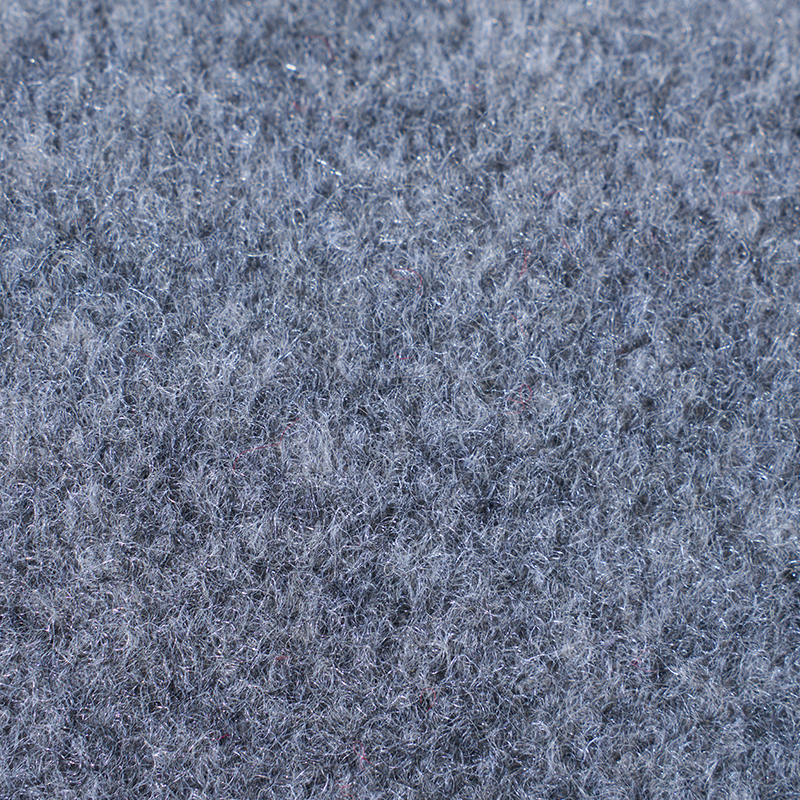
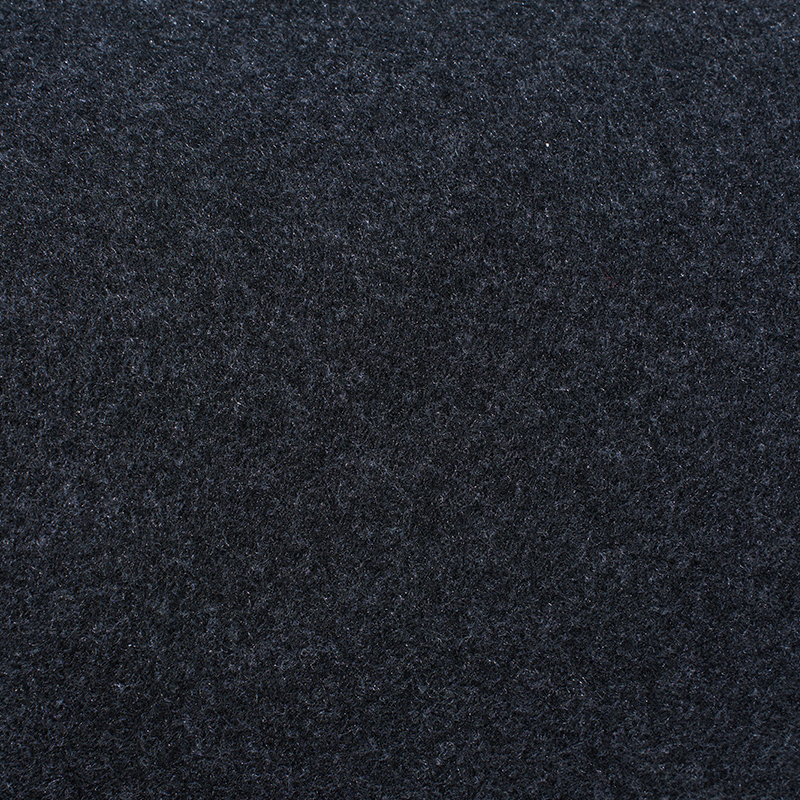
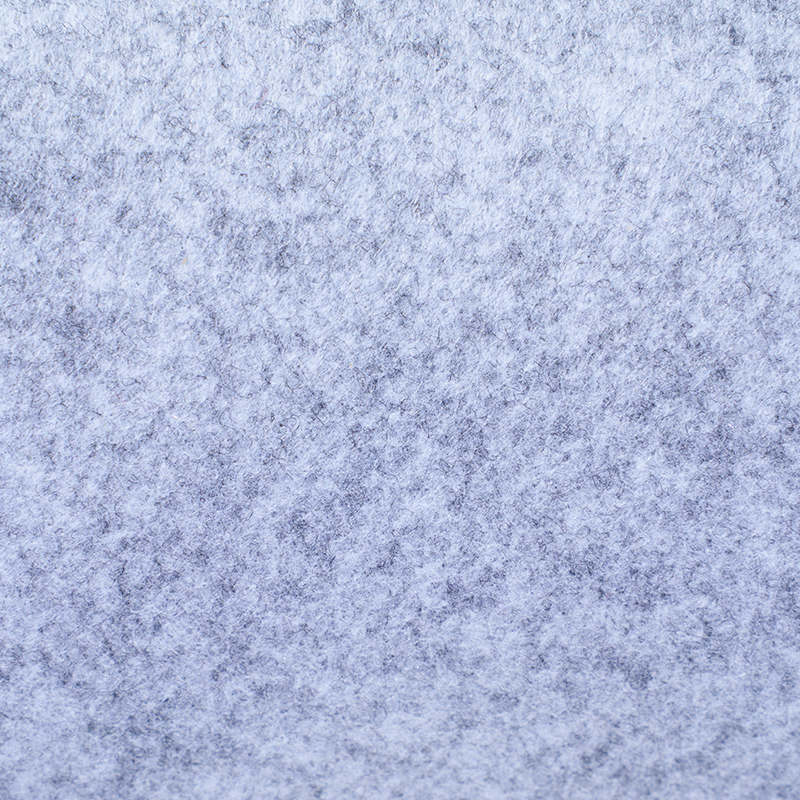
Needle non woven fabric plays a practical role in sustainable material systems across industrial, agricultural, and construction applications. Produced through a needle-punching process, this fabric is formed by mechanically interlocking fibers rather than weaving or knitting yarns together. The result is a stable, durable structure that can be manufactured with limited chemical input while delivering reliable performance in demanding environments.
One important sustainability factor is the material’s ability to incorporate recycled fibers. Polyester derived from post-consumer plastic waste is commonly used in needle non woven fabric production. In many industrial grades, recycled content can exceed 50 percent of total fiber composition while maintaining consistent strength and dimensional stability. This reduces reliance on virgin raw materials and supports circular material use within manufacturing systems.

The production method itself contributes to environmental efficiency. Needle-punching relies primarily on mechanical action, using thousands of barbed needles to entangle fibers into a cohesive fabric. Unlike some textile processes, it does not depend heavily on water-based treatments or chemical binders. As a result, water consumption is low and production waste is limited. When compared with woven fabrics of similar thickness, energy demand during manufacturing is generally lower, particularly for heavy or multi-layer materials.
Durability is another key link between needle non woven fabric and sustainability. The dense fiber structure provides resistance to tearing, compression, and abrasion. In applications such as filtration systems, insulation layers, and geotechnical installations, service life commonly extends for several years. A longer usable lifespan reduces the frequency of replacement, lowering total material consumption and associated environmental impact over time.
In civil engineering and construction, needle non woven fabric is widely used as geotextile layers for separation, drainage, and reinforcement. These layers help prevent soil mixing, improve water flow, and enhance ground stability. Field evaluations show that geotextile systems incorporating needle non woven fabric can reduce soil erosion by more than 40 percent in exposed areas. This supports more sustainable land use while minimizing the need for additional mineral resources.
Agricultural applications further highlight the environmental value of this material. Needle non woven fabric is used as ground cover, crop protection sheets, and moisture-control layers. By limiting direct sunlight on soil surfaces and slowing evaporation, it helps maintain soil moisture levels. In controlled field conditions, moisture retention improvements of around 20 to 30 percent have been observed, reducing irrigation demand and supporting more efficient water management.
Material flexibility also supports responsible use. Needle non woven fabric can be produced in a wide range of weights, thicknesses, and fiber blends. This allows engineers and designers to select only the level of performance required for each application. Lightweight variants reduce transportation weight and storage volume, while higher-density fabrics provide strength where durability is essential. This targeted material selection helps avoid unnecessary overuse of resources.
End-of-life considerations are increasingly part of material planning. Depending on fiber composition, needle non woven fabric can be reused in secondary applications or processed through mechanical recycling systems. In packaging, automotive interiors, and industrial liners, reuse across multiple cycles is common before disposal becomes necessary. This extends material value and reduces waste generation.
Although needle non woven fabric often remains unseen within finished systems, its contribution to sustainability is measurable.
FAQ
What is needle non woven fabric?
It is a textile material created by mechanically interlocking fibers using a needle-punching process.
How does it support sustainability?
It can use recycled fibers, requires limited chemical processing, and offers long service life.
Which industries use needle non woven fabric?
Common users include construction, agriculture, filtration, insulation, packaging, and automotive manufacturing.
Is needle non woven fabric reusable?
Yes. Many applications allow multiple reuse cycles before performance declines.
Can needle non woven fabric be recycled?
Recyclability depends on fiber type, but many variants are suitable for mechanical recycling.