

 English
 Español
 عربى
عربى

Felt Non Woven Fabric has become a crucial material across multiple industries, offering versatility, durability, and efficiency in various applications. In 2025, innovation in materials, manufacturing processes, and sustainability initiatives is shaping the market, making felt non woven fabric an essential choice for industries ranging from automotive and construction to agriculture and healthcare. These developments enable companies to enhance operational performance, reduce environmental impact, and deliver higher-quality products.
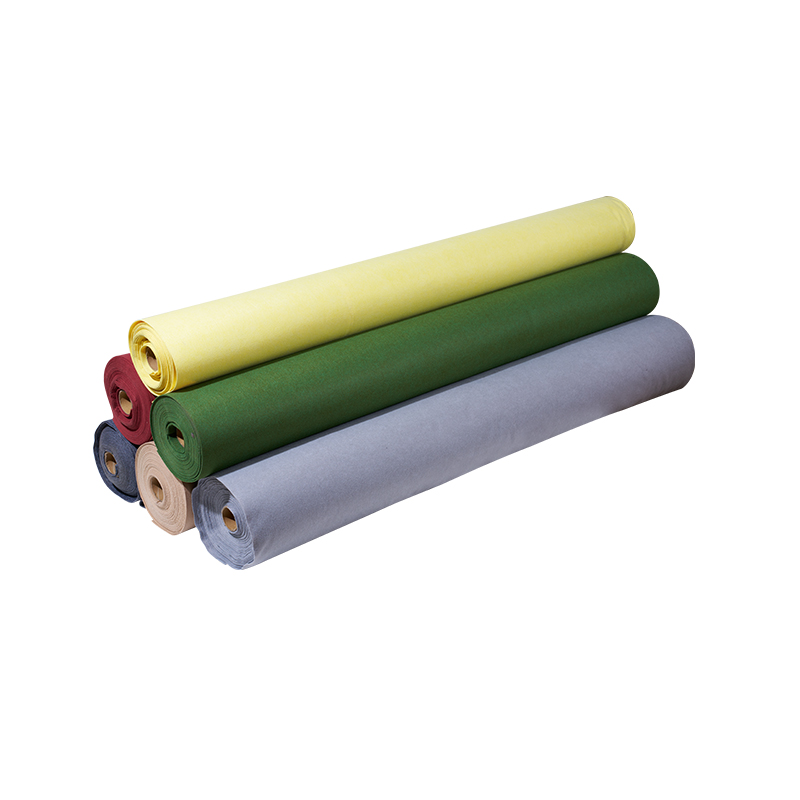
Felt Non Woven Fabric Technological Advancements
Recent advancements in felt non woven fabric technology emphasize strength, consistency, and adaptability. Manufacturers are producing fabrics with improved fiber composition that resists wear, tear, and moisture, extending service life. Techniques such as needle punching, thermal bonding, and chemical bonding are being optimized to provide uniform density, controlled porosity, and stable mechanical properties. Advanced coating and treatment methods enhance resistance to chemicals and high temperatures, broadening the range of industrial applications. Smart felt non woven fabrics are being developed to integrate sensors that monitor usage conditions, supporting predictive maintenance and operational reliability. These innovations make the fabrics increasingly suitable for demanding environments where precision and durability are critical.
Felt Non Woven Fabric Market Dynamics
The global felt non woven fabric market is expanding steadily, fueled by increasing industrial demand and innovation in eco-friendly materials. The market benefits from rising awareness about sustainable manufacturing practices and the need for energy-efficient materials. Lightweight yet strong fabrics are preferred in sectors such as automotive, where noise and vibration reduction are essential. Industrial filtration, insulation, and packaging applications are also contributing to market growth. The demand for fabrics that combine cost-effectiveness, durability, and sustainability is creating new opportunities for manufacturers worldwide, while expanding their potential in emerging economies seeking efficient and versatile industrial solutions.
Felt Non Woven Fabric Applications Across Industries
Felt non woven fabric finds applications in diverse sectors. In agriculture, it supports soil protection, crop coverage, and irrigation management, improving productivity while reducing resource usage. Automotive industries utilize felt non woven fabrics for sound insulation, cabin filters, and interior linings. In manufacturing, these fabrics aid in filtration, cushioning, and protective padding, enhancing equipment longevity and product quality. Medical and healthcare sectors employ specialized felt non woven fabrics for hygiene products, surgical pads, and protective barriers.
Felt Non Woven Fabric Challenges and Opportunities
Challenges for felt non woven fabric include maintaining consistent quality across large-scale production, ensuring compatibility with varying industrial requirements, and addressing environmental regulations. Manufacturers are responding with innovations in material design, eco-friendly production techniques, and modular manufacturing systems that allow customization for specific needs. Opportunities exist in the development of high-performance, recyclable, and biodegradable fabrics. Emerging technologies such as AI-assisted production and automated quality monitoring enable better control over fabric characteristics, supporting industry demands for precision and reliability. Increasing collaboration between research institutions and manufacturers is also driving novel solutions for high-performance industrial applications.
Felt Non Woven Fabric Future Outlook
Felt Non Woven Fabric technology continues to evolve, offering versatile and durable solutions for industrial, agricultural, and healthcare applications. Advancements in design, production, and sustainability ensure that felt non woven fabric remains a critical material for modern industries, supporting efficiency, reliability, and environmental responsibility.