

 English
 Español
 عربى
عربى

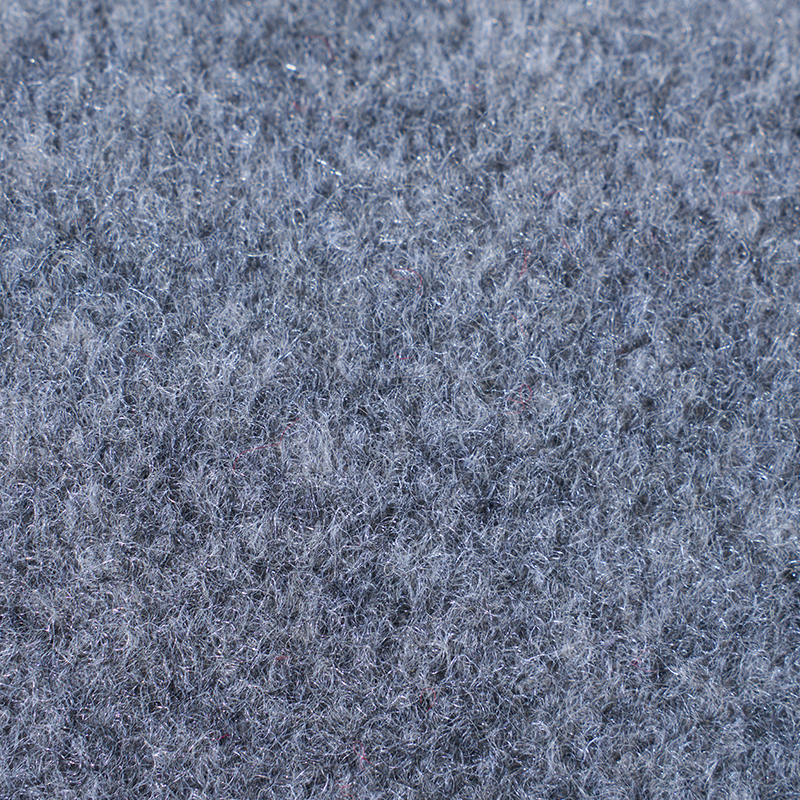
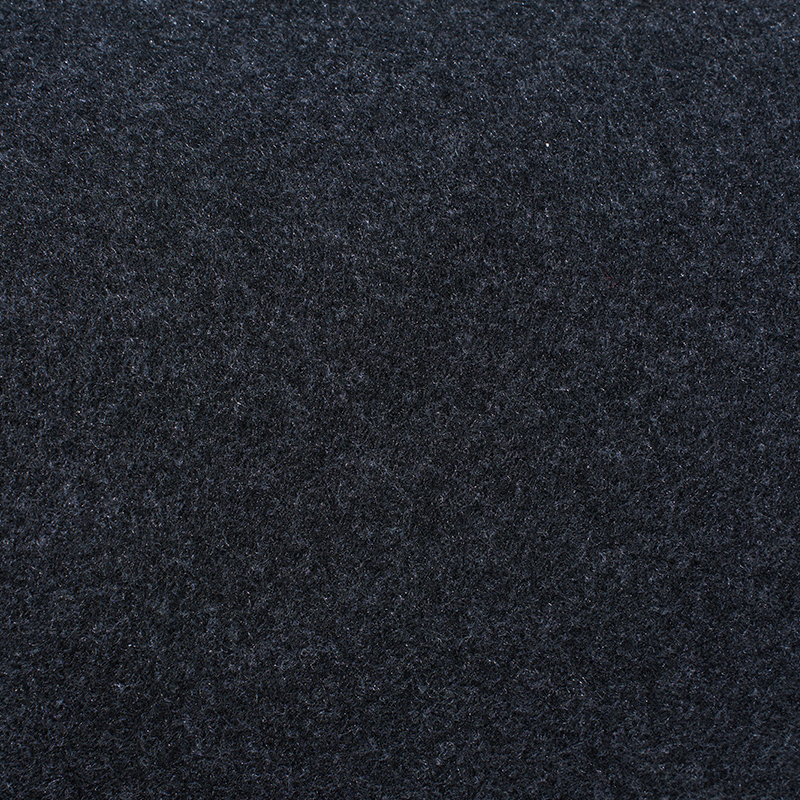
Needle Punched Non Woven Fabric has gained significant attention across industries for its unique combination of strength, flexibility, and cost-effectiveness. In 2025, this fabric is no longer limited to traditional uses such as insulation and padding; innovations in material composition, processing techniques, and sustainability practices are expanding its applications in automotive, construction, agriculture, and filtration sectors. The material’s adaptability and efficiency make it an increasingly preferred choice for manufacturers seeking reliable and environmentally conscious solutions.
Needle Punched Non Woven Fabric Enhancing Durability and Strength
Modern needle punched non woven fabrics are engineered for exceptional durability and resistance to mechanical stress. Advanced fiber blends and optimized punching patterns create fabrics that maintain structural integrity under repeated use, high pressure, or exposure to moisture. These improvements allow manufacturers to implement needle punched fabrics in environments demanding high resilience,while ensuring longer product lifespan and reduced maintenance requirements.

Needle Punched Non Woven Fabric in Filtration and Environmental Applications
Filtration is one of the fastest-growing applications for needle punched non woven fabrics. Engineered porosity and controlled density enable precise particle capture in air, liquid, and industrial filtration systems. Manufacturers are leveraging these properties to create solutions that improve operational efficiency, reduce environmental impact, and comply with stricter industrial and ecological standards.
Needle Punched Non Woven Fabric in Automotive and Construction Sectors
The automotive industry increasingly relies on needle punched non woven fabrics for soundproofing, interior linings, and cushioning. These fabrics help reduce vibration and noise, enhancing passenger comfort while maintaining weight efficiency. In construction, needle punched fabrics serve as thermal insulation, roofing underlayments, and protective barriers, providing reliable performance under temperature fluctuations and weather exposure. Innovations in fabric coating and lamination techniques further enhance their resistance to fire, moisture, and chemical exposure, broadening their utility in demanding applications.
Needle Punched Non Woven Fabric for Health and Hygiene
Healthcare and hygiene sectors are adopting needle punched non woven fabrics for disposable medical products, surgical mats, and protective barriers. Enhanced filtration properties, softness, and dimensional stability make them ideal for use in hospital environments and personal protective equipment. Manufacturers focus on maintaining high-quality standards while producing materials that are safe, durable, and compliant with medical regulations, ensuring that these fabrics meet the rigorous demands of modern healthcare settings.
Needle Punched Non Woven Fabric Sustainability and Market Growth
Sustainability is reshaping the production and consumption of needle punched non woven fabrics. Recyclable fibers, energy-efficient manufacturing, and biodegradable material options are increasingly integrated into product lines. These environmentally conscious practices meet growing regulatory requirements and consumer expectations for green products. Market expansion is driven by industries seeking cost-effective and eco-friendly alternatives to traditional textiles, creating opportunities for innovation in high-performance and multifunctional fabrics.
Needle Punched Non Woven Fabric Future Prospects
The future of needle punched non woven fabric lies in continuous material innovation, advanced manufacturing techniques, and broader applications across sectors. Emerging trends include smart fabrics that integrate sensors for condition monitoring, modular designs for specialized industrial use, and enhanced durability for extreme environments. These developments position needle punched non woven fabric as a cornerstone material for industries striving for efficiency, reliability, and environmental responsibility in 2025 and beyond.