

 English
 Español
 عربى
عربى

Felt Non Woven Fabric in User Applications – What Questions Arise?
Users in industrial, automotive, and home décor sectors often ask: Can Felt Non Woven Fabric provide sufficient acoustic insulation and vibration damping compared to traditional materials? Another frequent question is: Is this material adaptable for filtration, packaging, or protective applications where non-woven webs are usually preferred? The broad range of applications—including wall panels, automotive interiors, protective packaging, and craft projects—reflects the growing interest in how this fabric performs under various operational conditions.
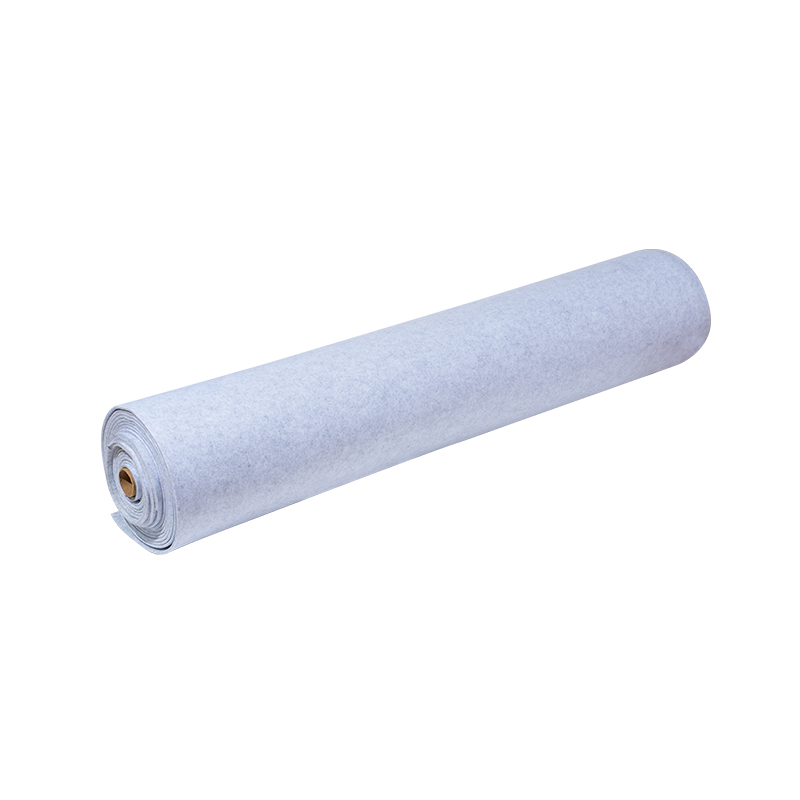
Felt Non Woven Fabric Market Size and Comparison
The global textile felt market is estimated at around USD 1.2 billion and shows steady annual growth near 15 %, surpassing the growth rate of many conventional non-woven fabrics. In comparison, the overall non-woven fabric market, which includes spunbond, meltblown, and bonded webs, stands at over USD 50 billion with a growth rate of approximately 5–6 % annually.
Users often ask: Does the higher growth rate of felt non-woven fabrics translate into wider availability and more competitive pricing? In practical terms, felt non-woven fabrics may carry a 10–20 % higher unit cost than standard non-woven sheets, but this premium is balanced by better thickness, insulation, and durability in many applications. For example, heavier felt sheets used in automotive interiors or insulation panels often outperform lighter spunbond sheets in vibration absorption and sound dampening.
Performance and Sustainability Questions from Users
From a user perspective, key performance questions include: How long will Felt Non Woven Fabric maintain structure under bending, compression, or moisture exposure? The material’s mechanically entangled fiber structure gives it excellent thickness, cushioning, thermal insulation, and sound absorption properties.
Sustainability concerns are also frequent: Can recycled fibers or biodegradable materials be used without compromising durability? Users are increasingly considering eco-friendly felt fabrics that incorporate natural fibers or recycled synthetics, seeking a balance between environmental responsibility and functional performance.
Performance comparisons show that standard non-woven fabrics excel in lightweight filtration applications, whereas Felt Non Woven Fabric provides additional bulk, insulation, and tactile quality, making it valuable in industrial and specialty applications where these characteristics matter.
Customization and Application Trends for Felt Non Woven Fabric
Customization is a growing area of interest: Can Felt Non Woven Fabric be tailored for specific thickness, color, or pre-cut dimensions for home décor, crafts, or automotive use? The answer is positive. Recent trends reveal felt products increasingly available in various thicknesses, densities, and fiber blends.
Users in the home décor segment ask: Can felt panels enhance acoustic comfort and add texture to interior spaces? In automotive applications, questions focus on whether felt can replace heavier textiles or foams while maintaining comfort and sound quality. For filtration and packaging, users evaluate porosity, cushioning, and protective qualities, comparing felt to traditional non-woven sheets. These observations show the material’s versatility and growing appeal in specialized niches.
Conclusion
The term Felt Non Woven Fabric captures a material category that combines functionality, durability, and eco-friendly potential. User questions about performance, sustainability, and customization drive its adoption across industrial, automotive, and craft sectors. Market data indicate steady growth, and comparative performance demonstrates advantages over conventional non-woven sheets in insulation, sound absorption, and structural stability. As demand expands and more end-users explore these fabrics for specific applications, Felt Non Woven Fabric continues to gain relevance in both specialized and everyday contexts.