

 English
 Español
 عربى
عربى

1. Felt Products and sustainability questions from users
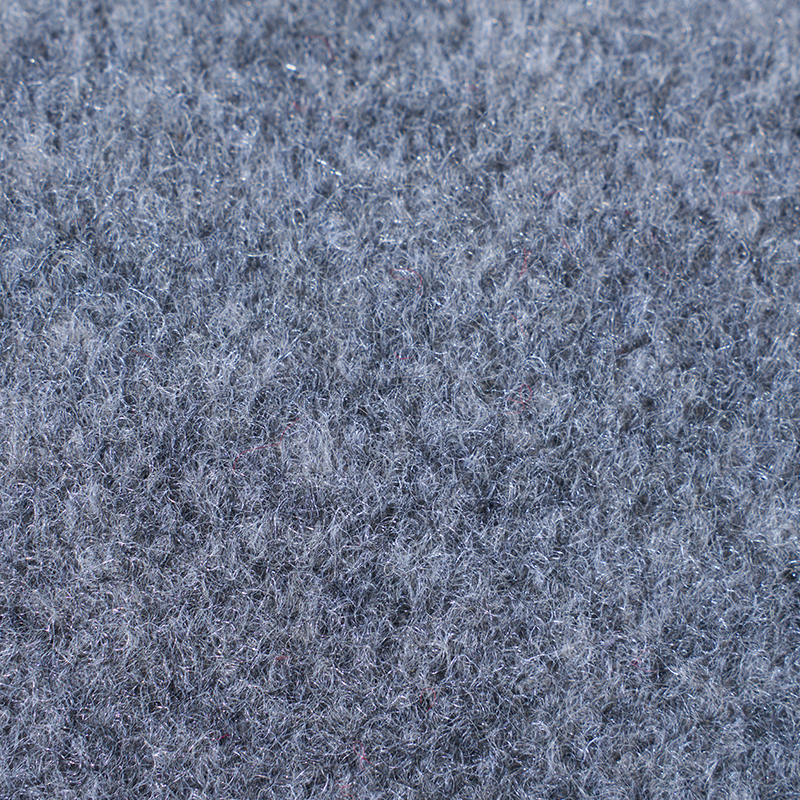
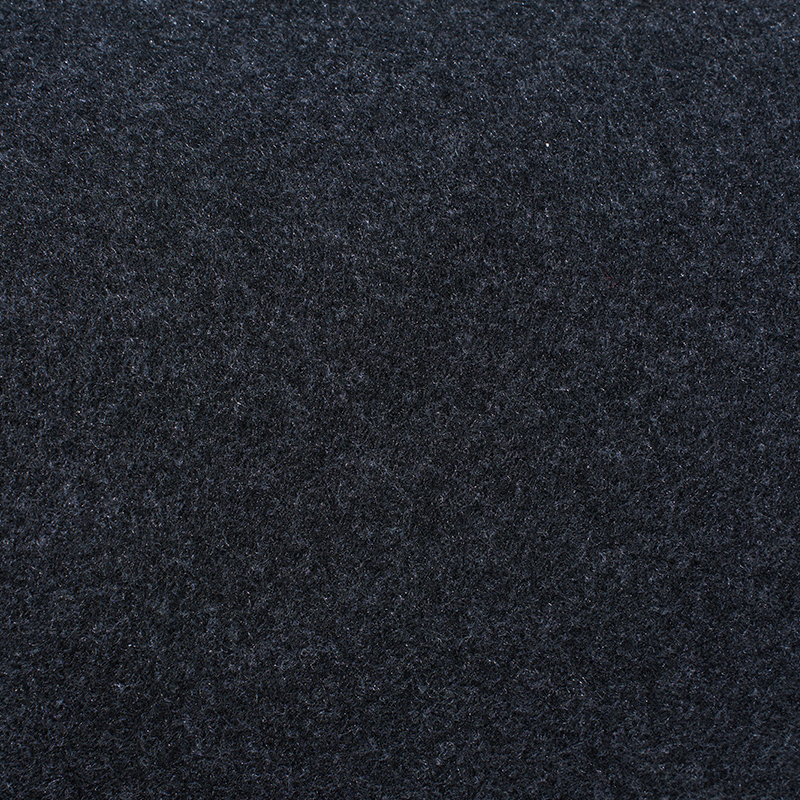
The term “Felt Products” opens many user questions: Are these items truly eco-friendly and made from renewable fibers? Many users want to know whether felt goods use natural fibers like wool or recycled synthetics, and whether production involves heavy chemical treatment. In recent discussions, felt producers highlight increased use of recycled polyester or natural fibers such as jute, hemp and cotton, bridging tradition and sustainability.
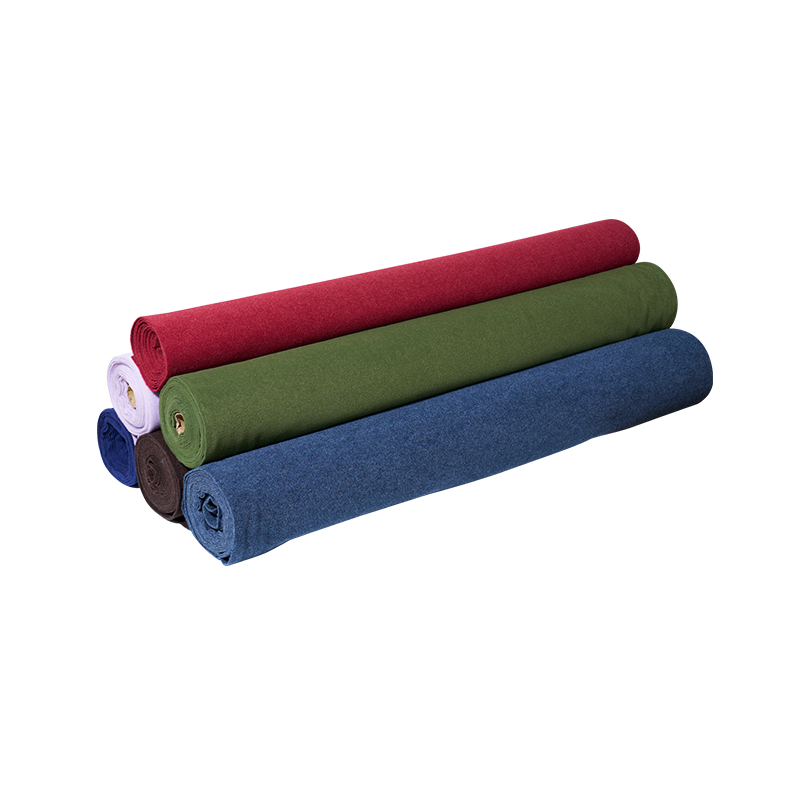
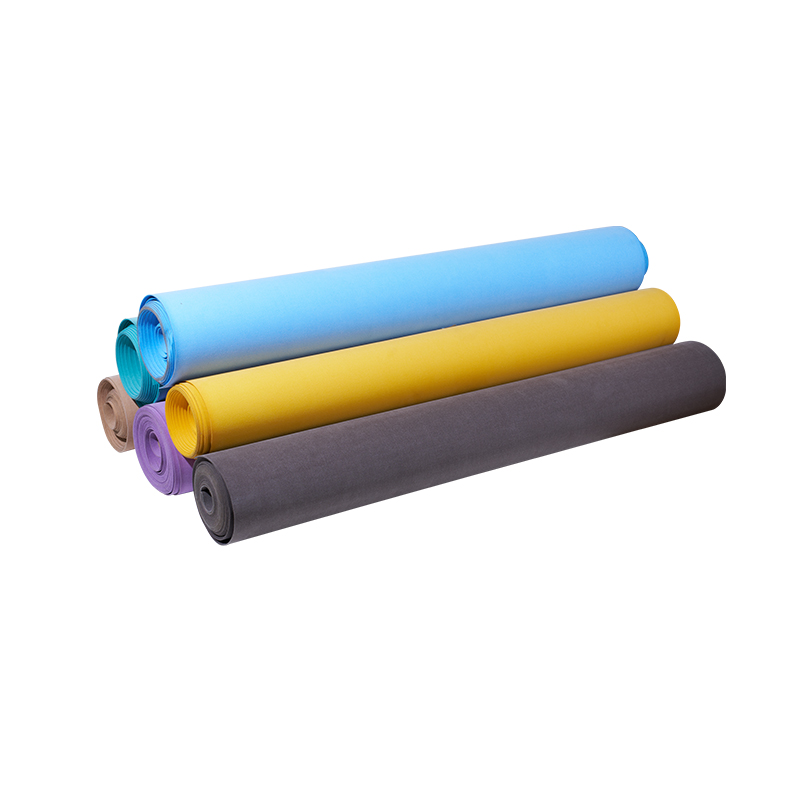
Another question users ask: Will selecting felt items reduce waste and environmental footprint versus standard fabrics? When felt uses biodegradable raw materials and minimal finish treatments, its appeal rises among eco-conscious buyers.
2. Felt Products market size and comparisons to other textiles
Recent market data show that the global textile felt market stood around USD 1.21 billion in 2024 and is projected to grow at a compound annual growth rate (CAGR) of about 15.4 % between 2025 and 2032. This growth rate notably outpaces many general textile sub-segments.
In comparison, the polyester felt market — one segment of felt products — was valued at about USD 4.49 billion in 2023 and is projected to reach around USD 6.07 billion by 2030 at a CAGR near 4.2 %. The difference in growth rates suggests that felt products are capturing user interest faster than some more established felt types.
Users observing this data may ask: Is this market growth translating into more variety, better quality or lower costs for felt items I purchase?
3. Felt Products performance concerns from a user vantage
When selecting felt-based goods users often pose: How durable is a felt piece compared to woven or knitted fabrics? Felt’s condensed fiber structure offers good sound absorption, vibration dampening and insulation, which makes it popular in home décor, automotive interiors and industrial uses. However users question if heavy-use scenarios will cause pilling, compression or shape loss.
Another user-centric question: How customizable and adaptable are felt products to my project? Recent supplier trends highlight personalization options in felt thickness, color, finish, and even cut-to-size formats — features attractive to craft, décor and specialty segments.
Yet cost versus performance remains scrutinised: felt products may carry higher unit cost but promise lower maintenance or longer lifecycle. Users weigh whether that promise holds in real-world use.
4. Felt Products customization and application trends
In home décor, users increasingly look at felt items as design elements: Can felt accent pieces add texture and acoustic comfort in my room? Felt rugs, wall panels and upholstery inserts gain popularity owing to their tactile feel and insulating properties. The trend toward soft-to-touch textures supports this.
Automotive and industrial users ask: Will felt-based components offer weight savings and performance gains over traditional materials? For example, transition to nonwoven felts in vibration damping or thermal insulation roles appears to drive demand.
Craft-oriented buyers ask: Are felt sheets and kits now better tailored for DIY personalisation? Suppliers are branching into smaller sizes, customised colours and thinner grades appealing to hobbyists.
These trends reflect how felt products are shifting from niche craft and industrial uses into broader everyday applications.
Conclusion
The term Felt Products encapsulates a growing material category that draws strong user interest in sustainability, performance and customization. From market data showing accelerated growth to user questions around durability, eco-credentials and smart design, felt goods hold potential across multiple sectors. As users deepen their understanding of material origins, lifecycle costs and design flexibility, the demand for well-engineered felt products is likely to expand further. For buyers, awareness of raw-material source, processing quality and application suitability will guide smarter choices in this evolving space.