

 English
 Español
 عربى
عربى

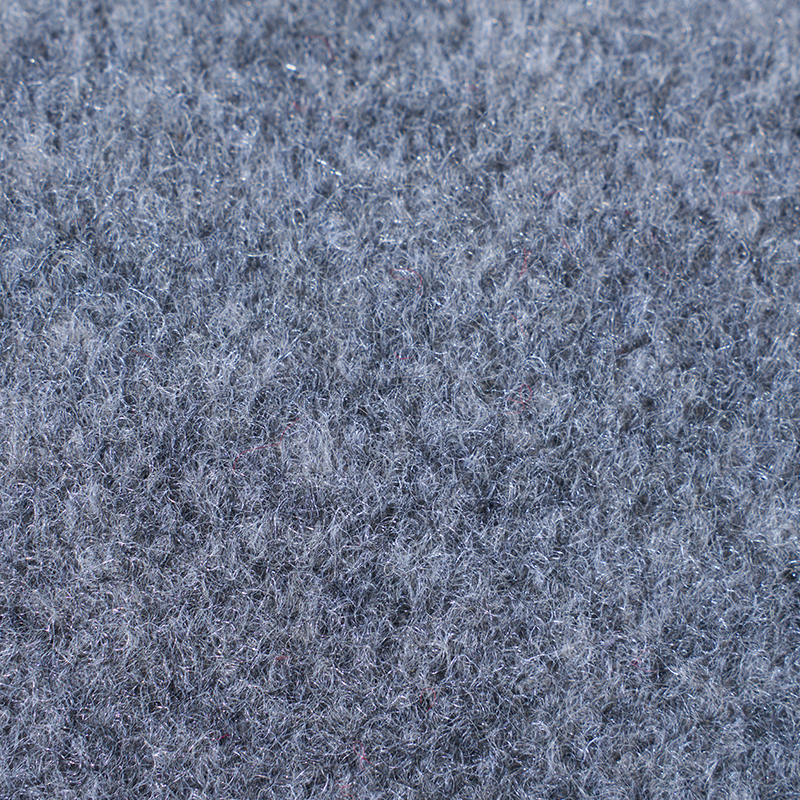
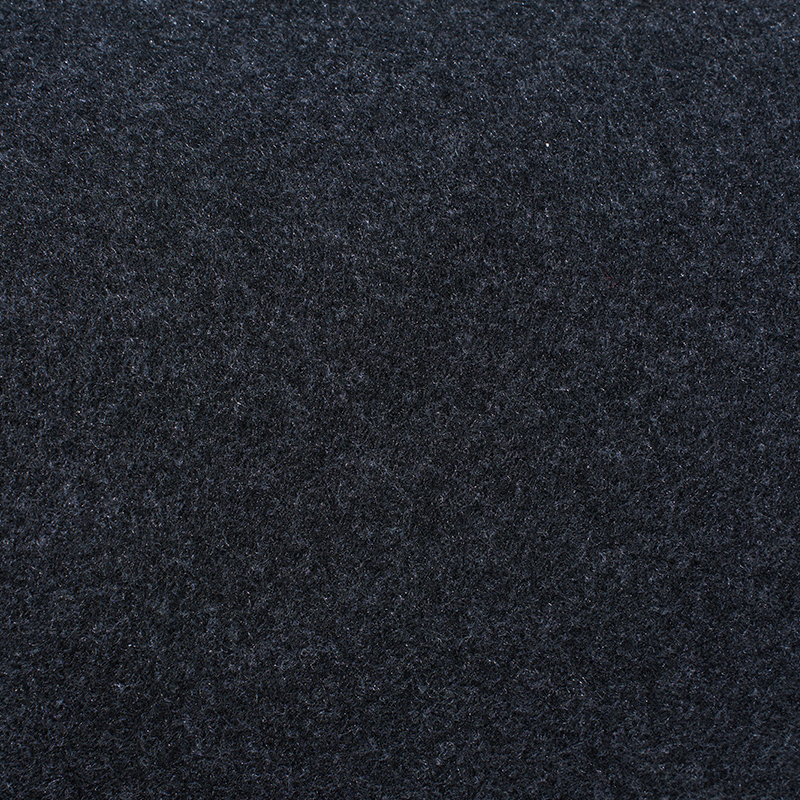
Felt Non-Woven Fabric is widely applied in insulation-focused environments where acoustic control and thermal stability are required. In layered material systems, Water-Based Imitation Microfiber is often mentioned as a related surface material used in automotive and furniture interiors. Felt Non Woven Fabric mainly functions as an internal performance layer, while Water-Based Imitation Microfiber is typically used on visible surfaces, forming a combined structure with different functional roles.
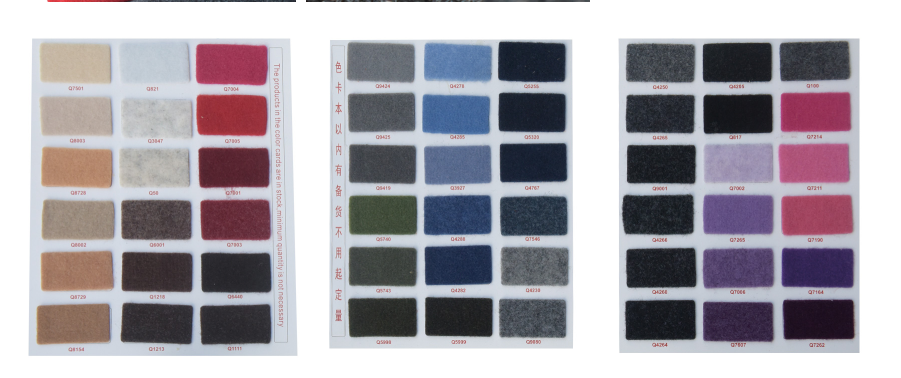
Acoustic Performance of Felt Non-Woven Fabric
Felt Non-Woven Fabric is effective in sound absorption due to its fiber-based porous structure. The interlocked fibers create small air gaps that reduce sound wave energy through friction. This helps lower noise reflection in enclosed spaces.
In automotive and industrial applications, Felt Non-Woven Fabric is often installed behind panels or inside cavities. It supports noise reduction without mechanical systems, making it suitable for door panels, roof structures, and floor assemblies.
Water-Based Imitation Microfiber may appear above these layers in visible interior areas such as seats or dashboards. While it is not designed for acoustic absorption, it is commonly part of the same layered interior system.
Thermal Insulation Behavior
Felt Non Woven Fabric also provides thermal buffering due to trapped air within its fiber structure. These air pockets slow down heat transfer, helping maintain more stable internal temperatures across material layers.
It is often used in roof liners, floor insulation, and wall panels in vehicles and equipment housings. These areas require temperature moderation and reduced external heat influence.
Water-Based Imitation Microfiber is generally used as a surface layer and does not act as a primary thermal barrier. However, it is frequently combined with Felt Non Woven Fabric in multi-layer structures where insulation and surface function are separated.
Material Structure and Characteristics
The performance of Felt Non-Woven Fabric depends on fiber type, density, and thickness. Polyester fibers are commonly used because they provide stability and flexibility. Adjusting GSM and compression levels allows the material to meet different insulation needs.
Water-Based Imitation Microfiber is made from fine fiber bases combined with a water-based coating system. It is designed to deliver a flexible and consistent surface texture while relying on backing materials such as Felt Non-Woven Fabric for structural support.
Industrial Application Areas
Felt Non-Woven Fabric is used in several insulation-related fields:
- Automotive acoustic interior layers
- HVAC insulation systems
- Machinery noise control covers
- Building wall partitions
- Transport cabin lining systems
These applications rely on their ability to reduce both sound transmission and vibration.
Water-Based Imitation Microfiber is commonly applied in:
- Seat surface coverings
- Interior decorative panels
- Furniture upholstery
- Dashboard wrapping materials
It mainly serves as a visible surface material within composite systems.
Material Selection Factors
When selecting Felt Non-Woven Fabric, key considerations include density, thickness, and fiber composition. These factors determine its acoustic and thermal performance as well as its suitability for lamination or cutting processes.
For Water-Based Imitation Microfiber, selection is based on surface texture, flexibility, and compatibility with backing layers. It is often chosen based on appearance and tactile requirements rather than insulation performance.
Layered System Integration
Modern interior systems often use layered material designs. Felt Non-Woven Fabric is positioned as an internal functional layer for sound and heat control. Water-Based Imitation Microfiber is placed on outer surfaces where user contact occurs.
This separation allows each material to focus on its role without interference. The internal layer manages insulation, while the outer layer provides surface quality and visual effect.
Application Trends
Felt Non-Woven Fabric continues to be widely used in insulation systems due to its structural adaptability and stable performance. It is increasingly applied in modular interior designs that require flexible acoustic and thermal solutions.
Water-Based Imitation Microfiber is also gaining attention in surface material applications where flexible processing and consistent texture are required. When combined in layered structures, both materials contribute to balanced interior systems that separate function and surface experience.