

 English
 Español
 عربى
عربى

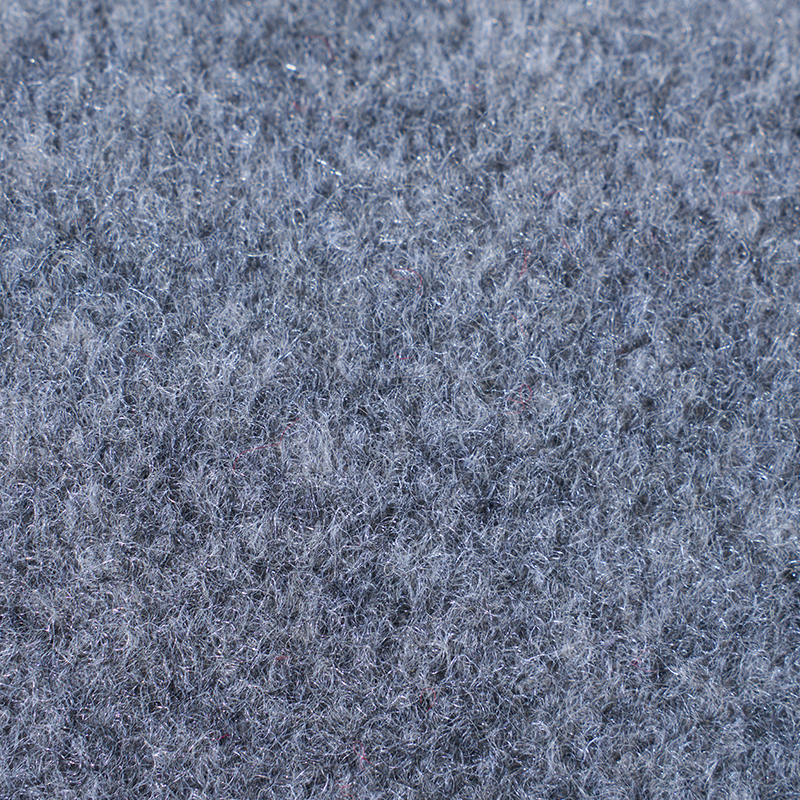
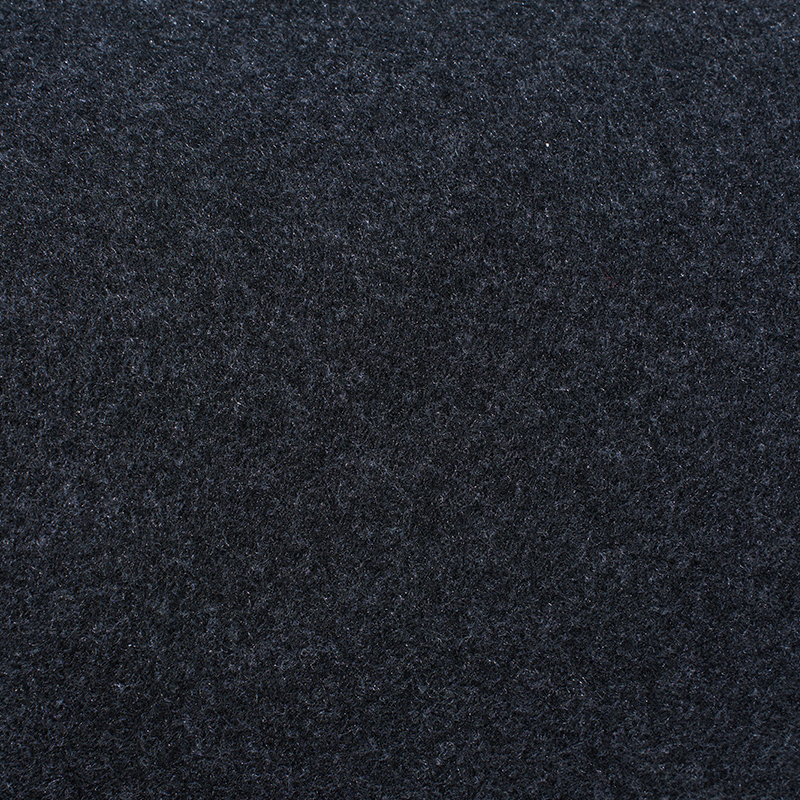
Felt Non-Woven Fabric is widely used across vehicle interior systems where comfort, structural support, and functional layering are required. In many material discussions, Water-Based Imitation Microfiber is also referenced alongside it due to its role in interior surface finishing and composite layering combinations within automotive design concepts. Both materials are often evaluated together when engineers and designers consider multi-layer interior structures that balance performance and usability.
Role of Felt Non Woven Fabric in Automotive Interiors
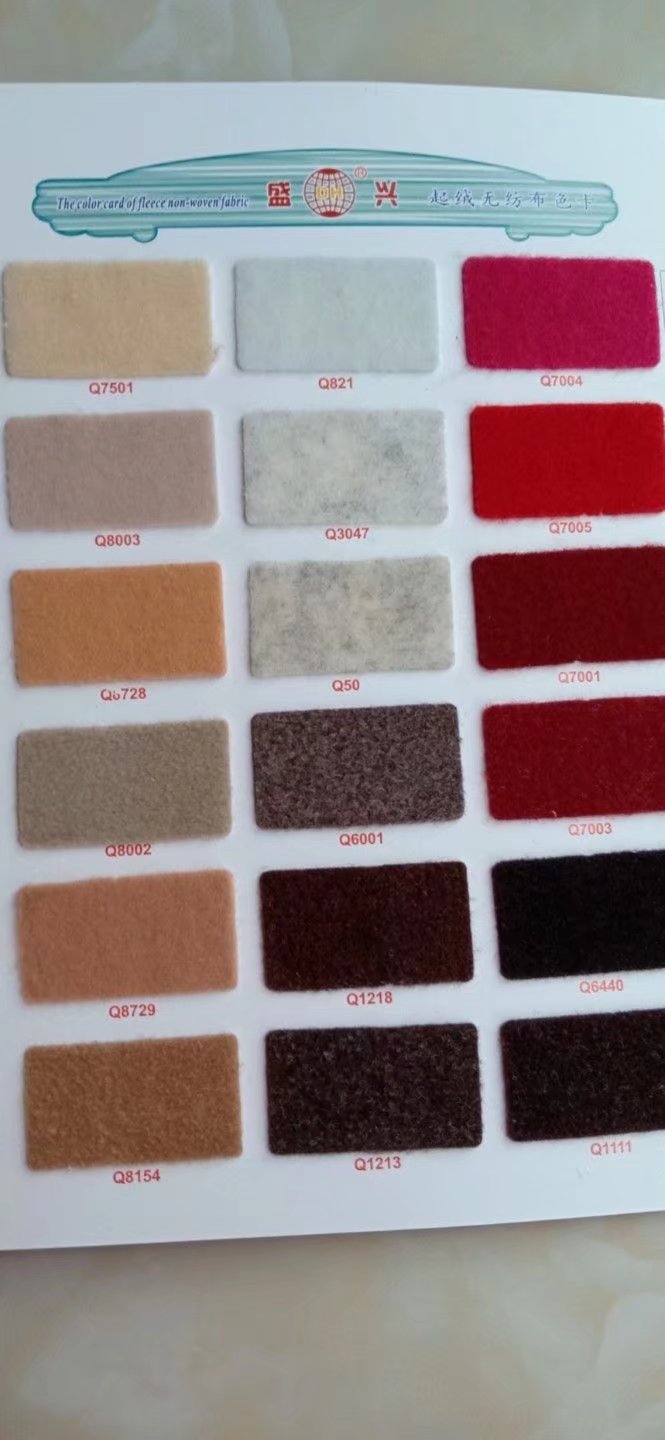
Felt Non Woven Fabric is commonly applied in automotive cabins as a structural and functional layer. It is used to support noise reduction systems, thermal buffering layers, and surface protection elements. The material structure allows fibers to interlock, creating a stable sheet that can be shaped and integrated into complex interior geometries.
In vehicle interiors, Felt Non Woven Fabric is frequently positioned behind visible surfaces. It works as a hidden layer that supports acoustic control and reduces vibration transmission. This makes it suitable for doors, roof panels, trunk areas, and floor assemblies.
At the same time, Water-Based Imitation Microfiber is often used on visible surfaces such as seat coverings, dashboard wraps, and armrest layers. When combined conceptually with Felt Non-Woven Fabric, it forms a layered interior system where one material focuses on structure and insulation while the other focuses on tactile and visual experience.
Automotive Interior Application Areas
Felt Non Woven Fabric appears in multiple interior components:
- Door interior lining systems
- Roof headliner support layers
- Trunk side wall coverings
- Seat backing insulation layers
- Floor underlayment structures
These applications rely on the material’s ability to maintain shape while fitting irregular interior contours.
Water-Based Imitation Microfiber is commonly used in adjacent visible applications:
- Seat surface coverings
- Dashboard wrapping materials
- Central console surface layers
- Armrest outer covering systems
Although the two materials serve different roles, they are often designed to function within the same interior assembly.
Functional Performance Characteristics
Felt Non Woven Fabric provides functional stability in acoustic and structural roles. Its fiber network structure helps reduce sound reflection within cabin spaces. It also assists in reducing vibration transfer from vehicle movement and mechanical systems.
Thermal buffering is another function associated with Felt Non Woven Fabric. The material slows down heat transfer between interior layers, helping maintain more stable cabin conditions.
Water-Based Imitation Microfiber contributes different performance attributes. It provides a soft surface texture and maintains flexibility during repeated use. It also supports breathable surface behavior depending on coating structure and base fabric configuration. When both materials are used in interior system planning, they complement each other in function.
Material Composition and Structural Design
Felt Non Woven Fabric is commonly produced using polyester fibers or blended fiber structures. The fibers are arranged and bonded through mechanical entanglement methods. This creates a sheet that can be adjusted in density and thickness depending on application needs.
Water-Based Imitation Microfiber is constructed using a microfiber base layer combined with a water-based coating system. The structure is designed to simulate leather-like surface behavior while maintaining flexibility and durability under repeated use conditions.
In interior design planning, these materials are often selected based on layer position. Felt Non Woven Fabric is typically used in hidden structural zones, while Water-Based Imitation Microfiber is placed in visible touchpoints.
Manufacturing and Processing Considerations
Felt Non Woven Fabric can be cut, molded, and laminated with other materials. It adapts well to stamping and shaping processes used in automotive part production. This allows it to integrate into complex interior assemblies without significant structural deformation.
Water-Based Imitation Microfiber is processed through coating, embossing, and surface treatment techniques. It can be matched with different textures and finishes depending on design requirements. It is also compatible with sewing and bonding techniques used in interior upholstery production.
When combined in product design, these materials require careful layering strategies to ensure stability, comfort, and durability across long-term use.
Industry Development Direction
Automotive interior systems continue to evolve toward lighter structures and more adaptable material combinations. Felt Non Woven Fabric continues to be used as a supporting layer due to its structural flexibility and functional insulation behavior.
Water-Based Imitation Microfiber is increasingly considered in surface design due to its adaptable texture and water-based production approach. Together, these materials represent a layered approach to interior construction where each material contributes a specific functional role.
Material selection continues to focus on balancing acoustic performance, thermal behavior, and surface experience within the same interior system.