

 English
 Español
 عربى
عربى

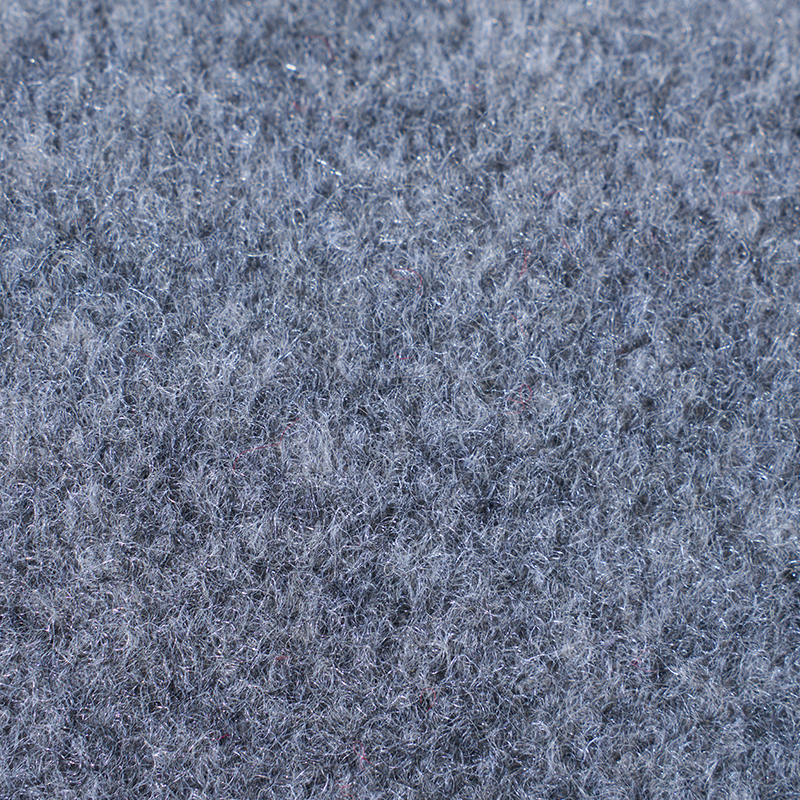
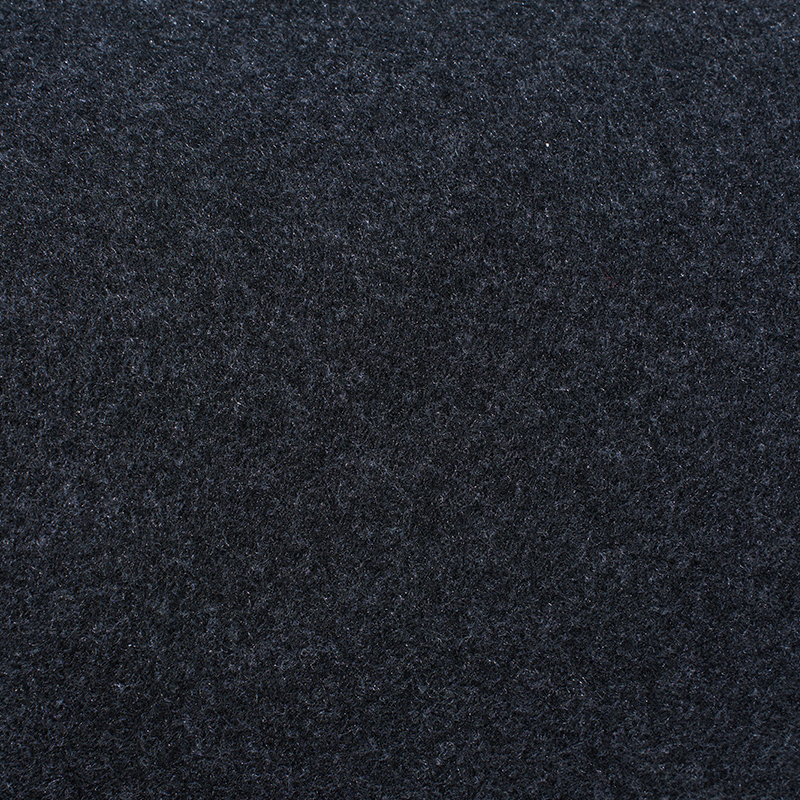
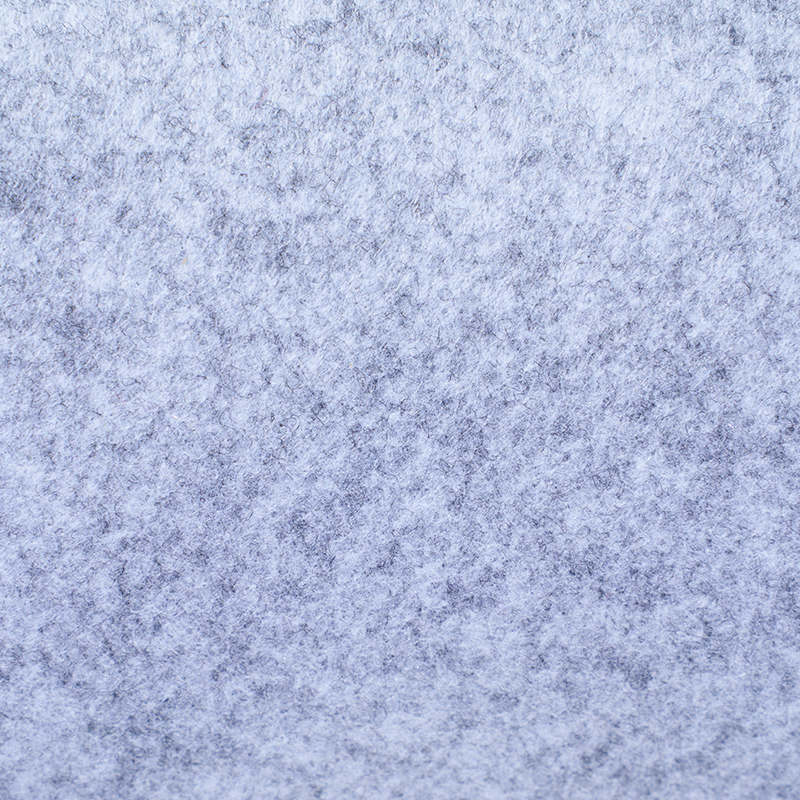
Felt Non-Woven Fabric is increasingly recognized for its role in sustainable and recyclable product designs. Its dense fiber structure and versatility make it suitable for a wide range of applications, from home décor to industrial products. Needle Nonwoven Fabric, created through a needle-punching process, shares these benefits and offers enhanced stability for projects requiring additional strength. Both materials can be sourced from recycled or renewable fibers, offering practical solutions for designers and manufacturers aiming to reduce environmental impact while maintaining high functionality.

Material Characteristics for Sustainable Design
Felt non-woven fabrics have several characteristics that make them ideal for sustainable design. They are lightweight yet durable, resistant to fraying, and easy to cut and shape without additional finishing. Needle non-woven fabrics, due to the repeated needle-punching process, are thicker and more cohesive, offering additional structural support. These properties allow designers to create products that maintain integrity over time while minimizing waste, making them suitable for reusable, recyclable, or long-lasting applications.
Incorporating Recycled and Renewable Fibers
Many felt that non-woven and needle non-woven fabrics can be produced from recycled or renewable materials. Recycled fibers from post-consumer or post-industrial sources can be mechanically bonded into new sheets without compromising strength or stability. Renewable fibers such as wool, cotton, or bamboo provide biodegradable options that reduce environmental impact. Using these materials, designers can create products that align with sustainability goals, reduce reliance on virgin synthetic fibers, and support circular material flows.
Applications in Home and Industrial Products
Felt non-woven fabrics are commonly used in home products such as mats, wall panels, storage organizers, and protective padding. Their stability and ease of use allow for creative designs that do not require sewing or hemming. Needle non-woven fabrics are particularly suitable for industrial applications, including soundproofing layers, automotive insulation, and filtration media, where reinforced strength and durability are essential. Both materials provide functionality and flexibility while supporting environmentally conscious choices.
Design Strategies for Eco-Friendly Products
Designers can optimize the use of felt, nonwoven, and needle nonwoven fabrics by carefully considering fiber type, thickness, and density. Selecting recycled or biodegradable fibers reduces environmental impact, while efficient cutting patterns and layered constructions minimize material waste. Needle non-woven fabrics can support heavier designs, enabling multiple uses and extending product life. Combining these materials with other sustainable components, such as adhesives or non-toxic coatings, further enhances the eco-friendly profile of finished products.
Advantages of Circular Product Life Cycles
Felt non-woven and needle non-woven fabrics support circular design principles because they can be reused, recycled, or repurposed at the end of a product’s life. Their durability ensures that products maintain performance over time, reducing the need for replacements and minimizing waste. When sourced from renewable or recycled fibers, these fabrics contribute to sustainable material cycles, offering a practical approach for environmentally conscious production and product design.
Future Outlook and Trends
As sustainability becomes a key focus in product development, felt non-woven and needle non-woven fabrics are likely to see growing adoption across industries. Their ability to combine functionality, durability, and eco-friendly properties positions them as practical alternatives to traditional materials. Designers and manufacturers can leverage these fabrics to create products that meet performance requirements while addressing environmental concerns, demonstrating that sustainable choices do not require sacrificing quality or usability.
Felt Non-Woven Fabric and Needle Non-Woven Fabric provide versatile, durable, and environmentally responsible solutions for modern product design. Their ability to incorporate recycled or renewable fibers, combined with structural stability and ease of use, makes them ideal for both home and industrial applications. By integrating these materials into product strategies, designers and manufacturers can develop functional, long-lasting, and recyclable products, contributing to sustainable production practices and a greener future. These fabrics represent an effective way to align design innovation with ecological responsibility, making them essential for projects that prioritize both performance and environmental impact.