

 English
 Español
 عربى
عربى

Felt Non-Woven Fabric has become increasingly popular among environmentally conscious designers and manufacturers because it can be produced from sustainable and recycled materials. Unlike traditional woven textiles, which often require extensive processing, felt non-woven fabrics can use fibers from renewable sources or recycled streams, offering both functional and ecological benefits. Needle Nonwoven Fabric, created through a mechanical needle-punching process, also supports eco-friendly production by enabling the use of recycled fibers while maintaining strength and stability. These materials provide a practical solution for projects and products that prioritize sustainability without compromising performance or versatility.
Natural Fibers and Their Benefits
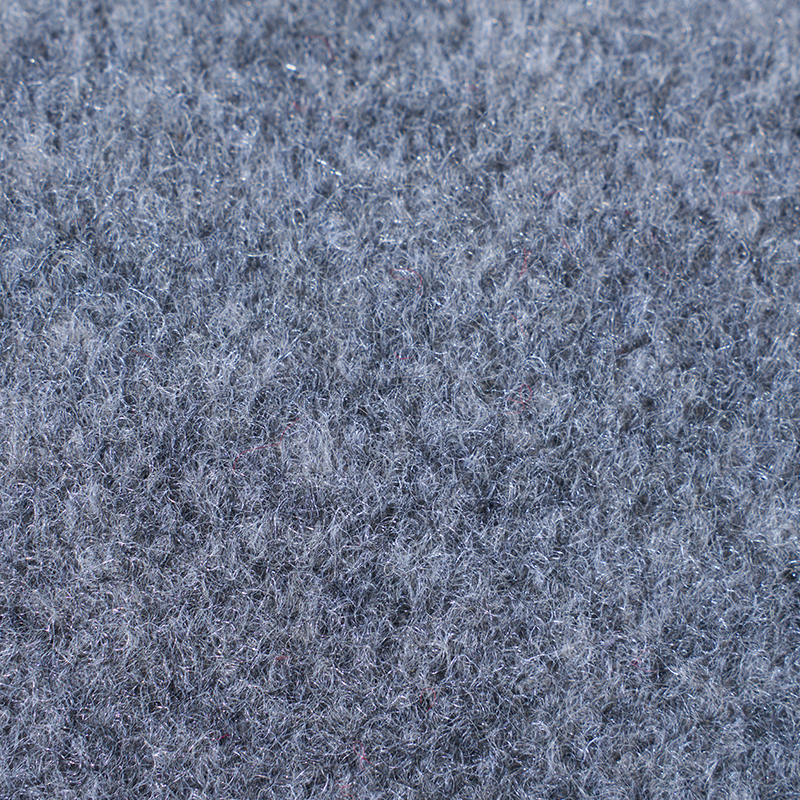
Many felt non-woven fabrics are made from natural fibers such as wool, cotton, bamboo, or hemp. These fibers are renewable and biodegradable, making them suitable for applications where environmental impact is a concern. Wool and cotton provide softness and resilience, while bamboo and hemp offer durability and natural resistance to wear. Needle non-woven fabrics can also incorporate natural fibers, producing sheets with enhanced stability that are well-suited for structural applications or reusable products. Using natural fibers helps reduce reliance on synthetic materials and supports eco-friendly product design strategies.
Recycled and Reclaimed Materials
In addition to natural fibers, felt, nonwoven, and needle nonwoven fabrics can be made from recycled materials, including post-consumer and post-industrial fibers. These materials are mechanically bonded through needle-punching or other non-woven techniques to form cohesive sheets that maintain integrity without stitching. This approach reduces waste, conserves resources, and creates a circular material flow. Recycled fibers can be combined with virgin fibers to produce fabrics that meet functional requirements while maintaining a lower environmental footprint.
Sustainable Manufacturing Practices
Producing felt non-woven fabrics in an eco-friendly manner involves more than material selection. Manufacturing techniques that reduce water, energy, and chemical usage contribute to sustainability. Needle non-woven fabrics, in particular, require minimal chemical treatment because the mechanical bonding provides strength and durability. This method not only conserves resources but also reduces environmental pollution compared to traditional textile processing. By choosing efficient production methods, manufacturers can offer high-quality materials that align with sustainable principles.
Applications Across Industries
Eco-friendly felt, non-woven, and needle non-woven fabrics are versatile and find applications across multiple sectors. In-home products include reusable mats, protective padding, insulation layers, and decorative items. In industrial contexts, they can serve as filtration media, automotive insulation, soundproofing layers, and packaging solutions. The ability to cut and shape these fabrics without fraying makes them especially suitable for custom applications, allowing designers to create functional, sustainable products with minimal waste.
Design Considerations for Sustainability
When incorporating felt non-woven and needle non-woven fabrics into sustainable designs, several factors should be considered. Fiber selection, thickness, and density influence durability, functionality, and environmental impact. Using recycled fibers can reduce waste, while combining natural and synthetic fibers can balance performance with eco-friendliness. Designers can also optimize patterns to minimize offcuts, and layered constructions can maximize the utility of available material. These strategies ensure that sustainable fabrics are applied efficiently while maintaining product performance.
The demand for environmentally responsible materials continues to grow in response to global sustainability goals. Felt and needle non-woven fabrics are well-positioned to meet this demand, offering solutions that reduce environmental impact while delivering functional and aesthetic benefits. By prioritizing recycled and renewable fibers, eco-conscious production methods, and efficient material use, designers and manufacturers can create products that support both sustainability and practicality.
Felt non-woven fabric and needle non-woven fabric represent versatile, eco-friendly solutions for modern product design. Their ability to incorporate renewable, biodegradable, or recycled fibers, combined with manufacturing methods that reduce resource consumption, makes them ideal for sustainable projects. From home décor to industrial applications, these materials offer durability, adaptability, and environmental responsibility, allowing designers and producers to create products that meet functional requirements while supporting a greener future. Embracing felt non-woven and needle non-woven fabrics enables the development of products that are both practical and aligned with sustainability goals.