

 English
 Español
 عربى
عربى

Felt Non-Woven Fabric has gained widespread attention in both craft and industrial applications due to its unique fiber structure and versatility. Unlike traditional woven fabrics, felt non-woven textiles are created by mechanically or chemically bonding fibers together, forming a stable sheet that maintains its shape without the need for hemming, stitching, or other finishing methods. This characteristic makes it highly convenient for a variety of uses, ranging from home décor to industrial padding. Needle Non Woven Fabric, a type of felt created using needle-punching techniques, shares this property and provides additional mechanical strength, allowing projects and products to maintain their structure without requiring extra sewing. These advantages make felt non-woven fabrics an attractive option for creators, designers, and manufacturers seeking practical, durable, and easy-to-use materials.
Unique Structure and Production
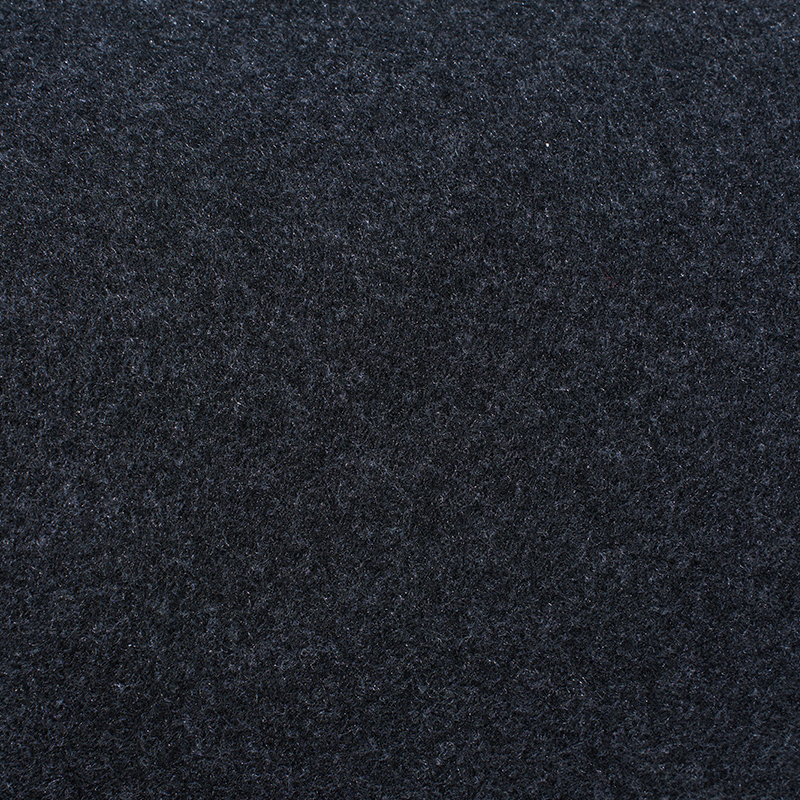
The primary reason felt non-woven fabric does not require hemming lies in its fiber interlocking process. Fibers are entangled through mechanical agitation, heat, moisture, or chemical bonding, resulting in a dense, cohesive sheet. Needle Non Woven Fabric uses a series of barbed needles to punch fibers together repeatedly, which increases the internal bonding and creates a thicker, more stable material. This process ensures that the edges of the fabric do not fray or unravel, even when cut into custom shapes or manipulated for various applications. Compared to woven textiles, where threads can loosen at cut edges, felt non-woven fabrics provide a finished surface naturally, removing the need for additional stitching or finishing.
Time and Resource Efficiency
One of the major benefits of using felt non-woven and needle non-woven fabrics is the time and cost savings they offer. Traditional fabrics often require hemming, stitching, or overlocking to prevent fraying, which can add considerable labor and production time. By contrast, felt non-woven fabrics can be cut into desired sizes or shapes and used immediately, reducing manufacturing steps and material waste. This efficiency is especially valuable for craft projects, DIY applications, and production lines where multiple pieces are needed. Needle non-woven fabrics, with their reinforced fiber structure, further reduce the risk of tearing or deformation, making them suitable for heavier applications without the need for additional edge finishing.
Applications in Craft and DIY Projects
Felt non-woven fabric has long been a favorite in craft and DIY communities because of its ease of use. It can be used to make home décor items, wall hangings, coasters, ornaments, and seasonal decorations. Its stability allows for layering and gluing without fraying, making it ideal for projects where sewing is inconvenient or unnecessary. Needle non-woven fabric provides extra rigidity for more complex designs, such as structural components in decorative crafts or educational projects. Its durability also allows repeated handling and manipulation without losing shape, offering flexibility for both beginners and advanced users.
Industrial and Functional Uses
Beyond crafts, felt non-woven and needle non-woven fabrics are widely used in industrial applications. They are commonly found as insulation materials, protective padding, gaskets, filtration media, and automotive components. In these contexts, the ability to cut, shape, and install the fabric without sewing or hemming simplifies assembly and reduces production costs. The materials’ resistance to fraying and high durability ensures that products maintain functionality and longevity, even under demanding conditions. Needle non-woven fabrics, in particular, provide added tensile strength and density, making them suitable for heavy-duty applications.
Durability and Maintenance
Felt non-woven fabrics exhibit excellent wear resistance and structural stability. The interlocked fibers resist tearing, and the material maintains its shape over time. Unlike woven fabrics, there is no need for hemming or overlocking edges to prevent fraying, which simplifies maintenance and reduces overall material consumption. Needle non-woven fabric enhances these properties by creating a denser and more cohesive structure that holds together under stress, making it suitable for applications that require repeated use or exposure to pressure. Additionally, both materials are compatible with adhesives, allowing easy assembly into multi-layered products without stitching.
Felt Non Woven Fabric offers a combination of convenience, durability, and versatility that makes it suitable for a wide range of craft, DIY, and industrial applications. Its unique fiber structure eliminates the need for hemming or sewing, while needle non-woven fabric provides reinforced strength for heavier or more demanding uses. By choosing these materials, designers and makers can save time, reduce labor costs, and create durable products that maintain their integrity over time. From decorative crafts to functional industrial components, felt non-woven and needle non-woven fabrics provide practical, easy-to-use solutions for numerous applications, making them indispensable materials in modern production and creative projects.