

 English
 Español
 عربى
عربى

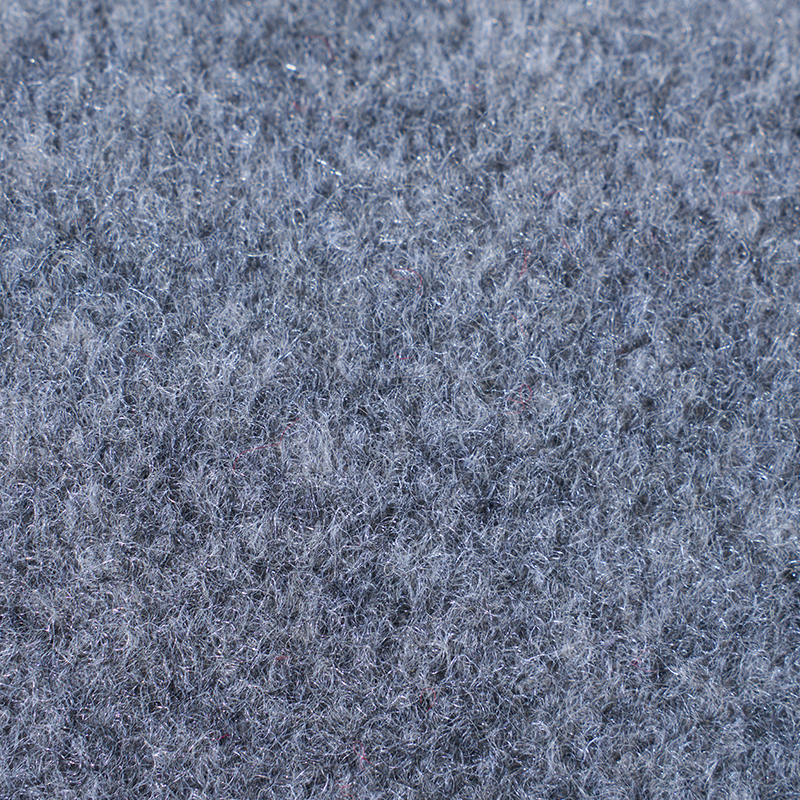
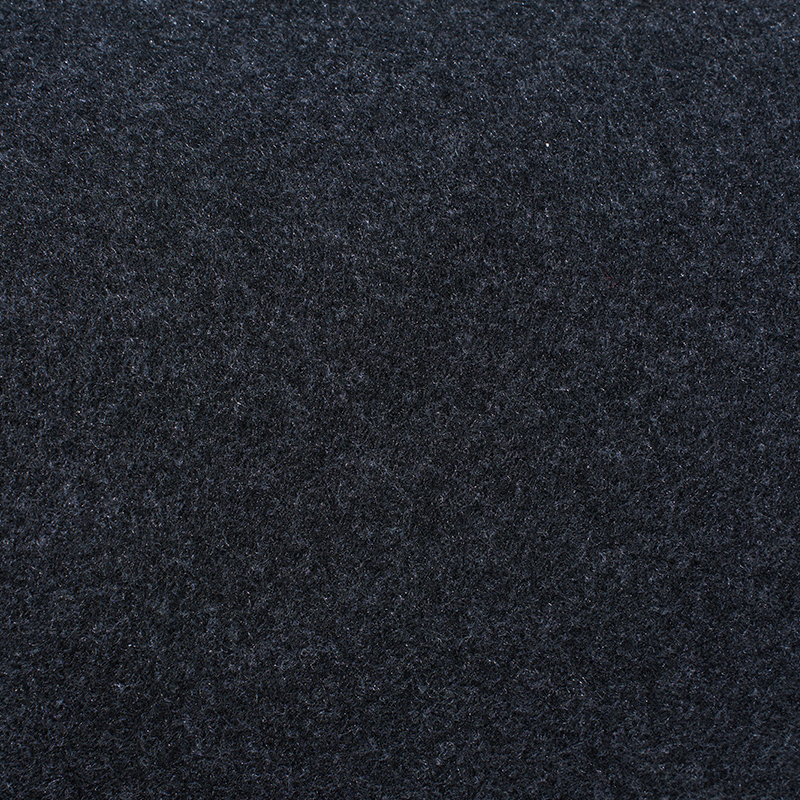
Water-based imitation microfiber is a versatile textile material that mimics the appearance, texture, and softness of natural suede or leather, while relying on environmentally friendly water-based processing techniques. Unlike traditional solvent-based microfibers, water-based production minimizes volatile organic compound emissions and reduces environmental impact, making the material a good choice for manufacturers seeking sustainable alternatives. The fibers are closely interlaced to form a dense, uniform surface that combines softness with resilience, allowing the material to maintain its shape and tactile appeal even under frequent use.

The tightly structured fiber network gives water-based imitation microfiber durability and resistance to abrasion, which is essential for applications in clothing, footwear, furniture, and automotive interiors. In clothing, the material provides a soft, supple feel while maintaining flexibility for garments, gloves, and accessories. Footwear designers value its ability to withstand repeated wear while preserving comfort and aesthetic quality. In furniture, the microfiber is often applied to upholstery surfaces, offering an attractive finish that is also easy to clean and resistant to everyday wear.
In automotive interiors, water-based imitation microfiber is used for seat covers, dashboards, and panels, where it combines visual appeal with practical performance. Its surface smoothness, color consistency, and ability to hold coatings—such as water or stain resistance—make it suitable for environments that demand both comfort and durability.
In automotive and furniture applications, water-based imitation microfiber is used for seat covers, dashboards, and upholstery. Its uniform texture and softness provide an appealing aesthetic while maintaining abrasion resistance and color retention. The material is also easier to dye and treat with functional coatings such as water repellency or stain resistance, which adds versatility to product design. Manufacturers often offer customizable thickness and fiber density, allowing designers to balance comfort, durability, and appearance.
For fashion and footwear, water-based microfiber offers designers a lightweight and flexible material that behaves similarly to suede. Its production avoids harsh solvents, reducing volatile organic compound emissions, which supports environmental regulations and consumer demand for sustainable products. Users report that shoes, bags, and jackets made from water-based microfiber demonstrate high wear resistance while remaining soft to the touch. In addition, the material’s microstructure allows breathability and easy maintenance, making it practical for everyday use.
Water-based imitation microfiber is also used in specialty products such as bags, gloves, and protective cases, where a combination of soft texture, flexibility, and wear resistance is important. Its tightly interlaced fibers provide surface smoothness and consistent durability, allowing products to maintain shape and functionality over time. Designers and manufacturers can adjust fiber density, thickness, and backing materials to meet the specific requirements of different items, whether for everyday handling or more delicate applications.
The environmentally friendly water-based production process contributes to reduced solvent emissions and lower environmental impact, supporting sustainable material practices in manufacturing. Additionally, the material’s versatility allows it to be treated with coatings for water or stain resistance, enhancing its practical performance without affecting its appearance. These characteristics make water-based imitation microfiber suitable for a range of consumer and industrial products that require a balance of tactile quality, durability, and responsible production methods. By combining functional design with eco-conscious processing, the material can be applied across multiple sectors where traditional suede or leather might otherwise be used.