

 English
 Español
 عربى
عربى

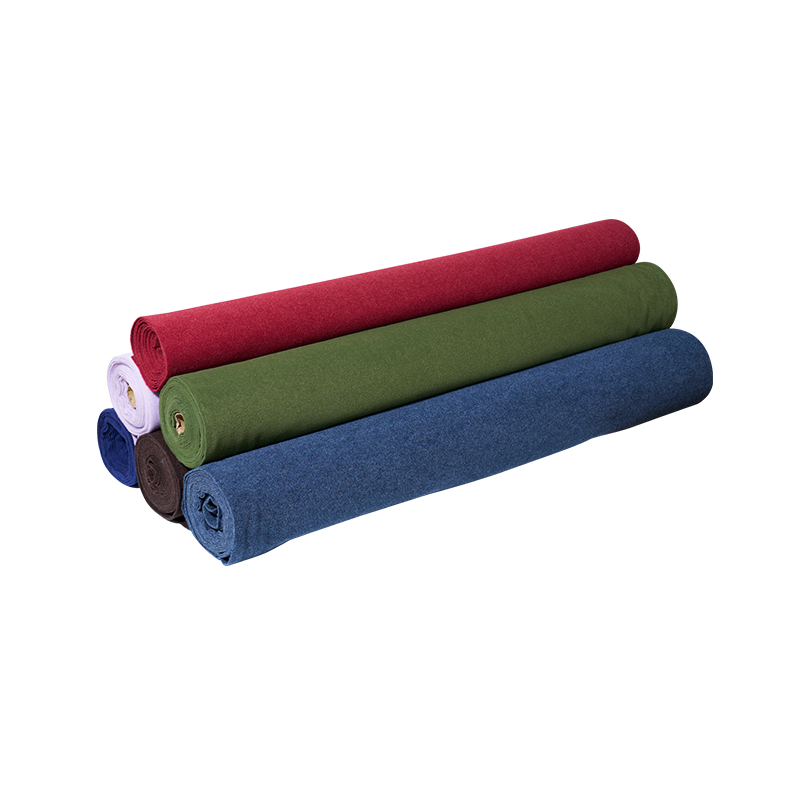
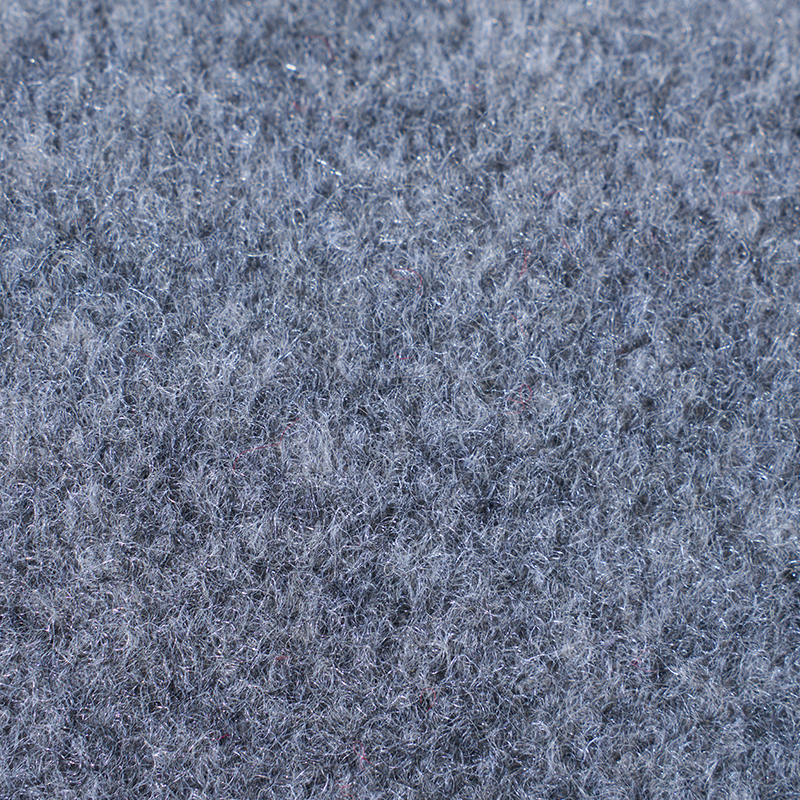
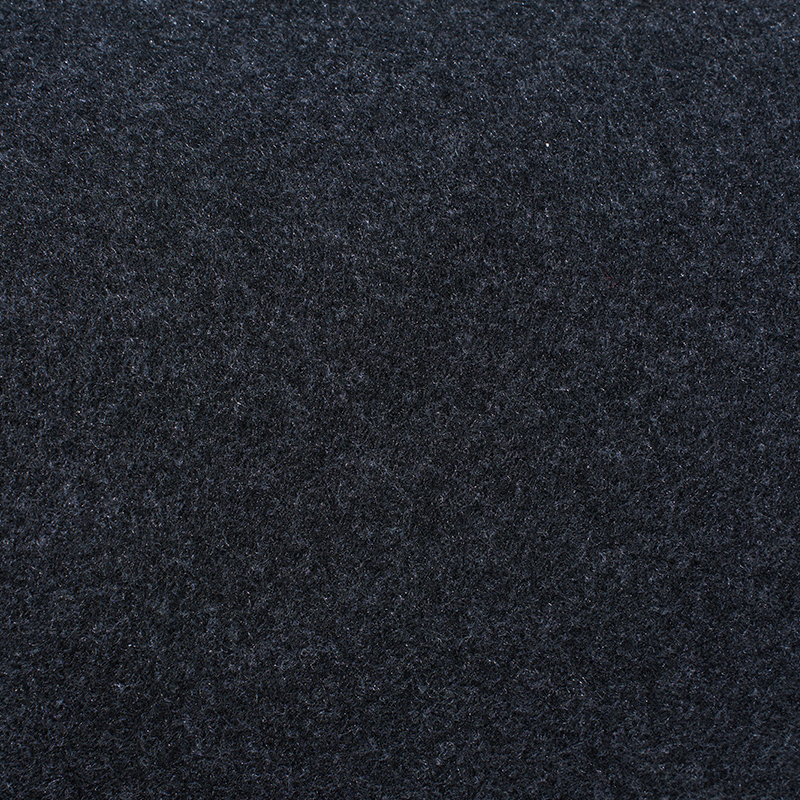
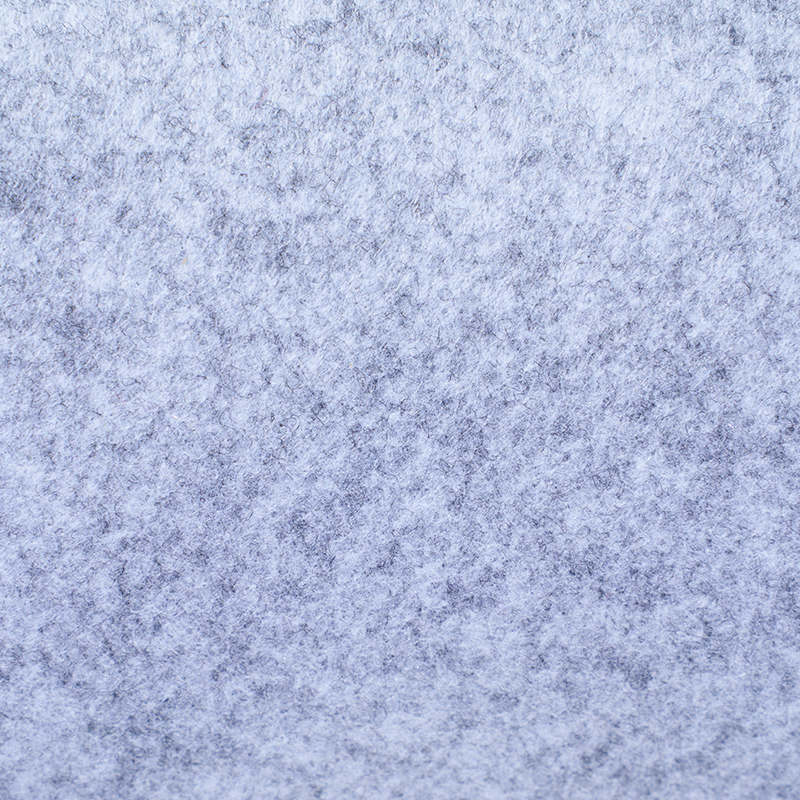
Perforated plain nonwoven textile fabric is a type of engineered fabric designed to combine the practical benefits of nonwoven textiles with the added functionality of perforation. Unlike woven materials, nonwoven fabrics are made by bonding fibers together using mechanical, thermal, or chemical methods rather than weaving or knitting. The plain structure ensures a uniform surface, while perforations introduce small, evenly distributed holes that improve breathability, flexibility, and adaptability in various applications.
One of the primary advantages of perforated plain nonwoven fabric is its breathability. The perforations allow air and moisture to pass through the material, reducing heat accumulation and improving comfort when used in clothing, protective garments, or upholstery. This feature also makes the fabric suitable for filtration applications, where controlled airflow is important. The plain structure provides a smooth, consistent surface that ensures strength and stability while supporting perforation patterns without compromising the integrity of the material.
Durability and strength are key characteristics of perforated plain nonwoven fabric. The bonded fibers provide resistance to tearing, stretching, and general wear, allowing the material to maintain its shape and performance over time. The addition of perforations does not significantly weaken the fabric due to careful design and precise manufacturing techniques, making it reliable for repeated use. This durability is especially valuable in protective covers, industrial filters, disposable hygiene products, and other functional applications.
The manufacturing process of perforated plain nonwoven textile fabric allows for customization in thickness, fiber type, and perforation pattern. Fibers such as polyester, polypropylene, or blends with natural fibers can be used depending on the required properties. The perforation can be created using mechanical punching, laser cutting, or other precision techniques, allowing for varied hole sizes, shapes, and spacing. This flexibility enables the fabric to meet specific airflow, drainage, or aesthetic requirements in diverse applications.
In addition to functional benefits, perforated plain nonwoven fabric is versatile in design. It can be used as a base material for laminates, composite structures, or coatings, enhancing mechanical strength or water resistance. The perforated surface also provides aesthetic possibilities, allowing designers to incorporate patterns or textures in fashion, interior design, or packaging applications. The fabric can be dyed or printed, further increasing its adaptability without compromising its functional properties.
Maintenance and practicality are additional advantages. The material’s nonwoven structure prevents fraying, simplifies cutting and sewing, and allows for easy handling during manufacturing or assembly. Perforated nonwoven fabrics can also be cleaned or replaced in applications such as disposable filters, hygiene products, or protective layers. Its lightweight nature combined with durability ensures convenient use in both temporary and long-term applications.
From an environmental perspective, nonwoven fabrics can be produced using energy-efficient methods and recyclable fibers, reducing waste and environmental impact. The absence of weaving machinery lowers energy consumption, and the perforated design can contribute to resource efficiency by optimizing material use without sacrificing performance. These factors support the fabric’s adoption in sustainable production practices.
In summary, perforated plain nonwoven textile fabric is a durable, functional, and versatile material suitable for a wide range of applications. Its combination of a smooth, bonded surface and carefully designed perforations provides breathability, flexibility, and strength. From industrial and medical uses to fashion and packaging, this fabric meets both functional and aesthetic demands while offering customization, easy handling, and environmentally considerate production options.