

 English
 Español
 عربى
عربى

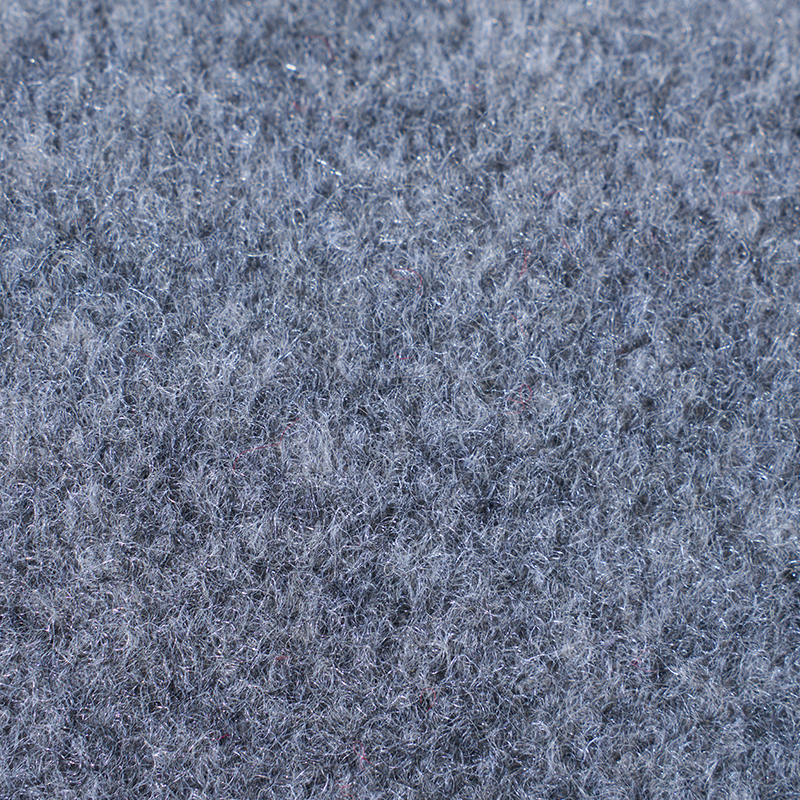
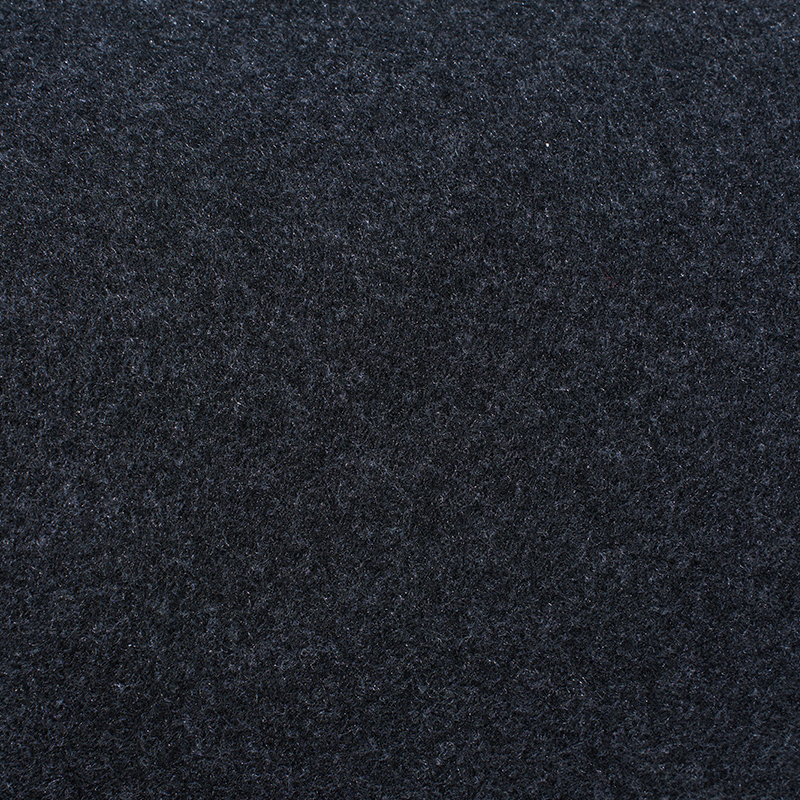
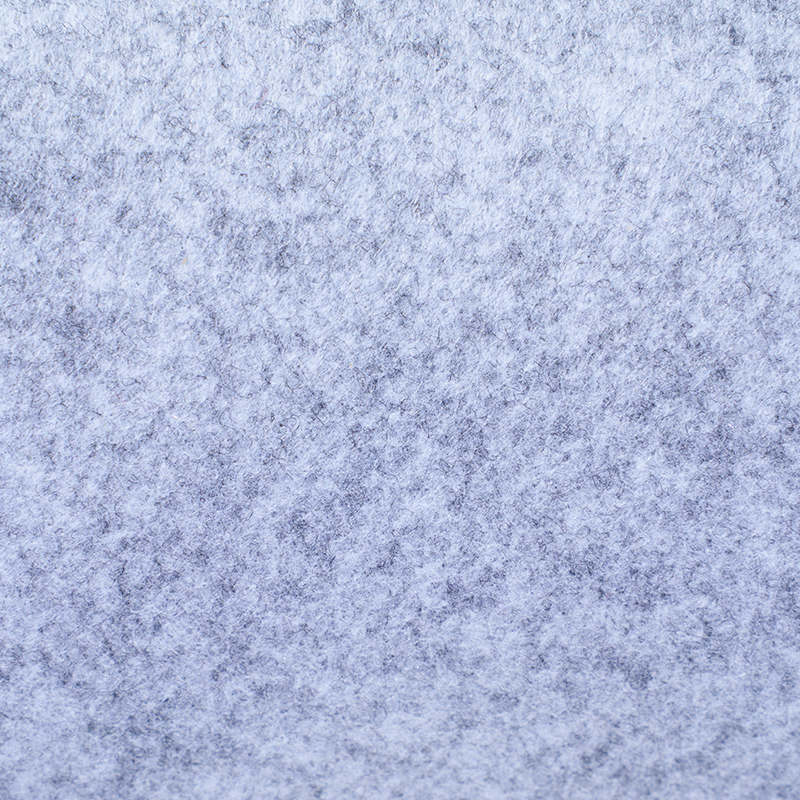
Flannel microfiber nonwoven cloth fabric material is a textile that combines the softness of flannel with the practicality and strength of nonwoven microfiber technology. Unlike traditional woven fabrics, nonwoven fabrics are made by bonding fibers together through mechanical, thermal, or chemical processes, which creates a uniform, dense, and durable material. The integration of flannel-style fibers enhances the surface texture, providing a smooth and comfortable touch while maintaining structural stability. This combination makes flannel microfiber nonwoven fabric suitable for a wide variety of applications in industrial, household, and commercial products.
One of the primary benefits of flannel microfiber nonwoven cloth is its soft texture. The fine fibers provide a gentle feel against the skin, making it appropriate for products that require comfort in addition to functionality. Its plush surface can be used in cleaning cloths, upholstery liners, garment interlinings, and craft projects. The softness does not compromise strength, as the underlying nonwoven construction provides resistance to tearing and deformation, ensuring that the material maintains performance even under repeated use.
Durability is a key characteristic of this fabric. The tightly bonded microfiber network allows it to withstand abrasion, pressure, and stretching. This quality makes flannel microfiber nonwoven material suitable for protective layers, cushioning, and padding applications. It can also be integrated into composite materials to improve impact resistance and longevity. The combination of durability and softness ensures that the fabric can be used in both functional and decorative contexts, including furniture covers, automotive interiors, and sound-dampening panels.
The manufacturing process of flannel microfiber nonwoven fabric offers flexibility and precision. Fibers can be aligned, compressed, or layered to achieve specific thickness, density, and strength levels. The nonwoven construction allows for customization without the complexity of weaving, enabling manufacturers to produce materials tailored to particular applications. Additionally, the flannel surface can be treated for water repellency, stain resistance, or fire resistance, further enhancing its suitability for specialized uses.
Flannel microfiber nonwoven cloth is also highly versatile in terms of design and aesthetic applications. The surface can be dyed in various colors or patterns, providing creative opportunities for interior design, fashion, and craft projects. Its plush appearance contributes to a high-quality feel while maintaining practicality, offering a balance between visual appeal and functional performance. The neutral or customizable tones allow designers to match the fabric with different environments, from home furnishings to industrial settings.
Another advantage of flannel microfiber nonwoven fabric is its maintenance and longevity. The dense fiber arrangement helps trap dust, reduce wear, and resist stains, which extends the material’s usable life. It can be cleaned easily without compromising the softness or strength of the fabric. This property is particularly valuable for household products, protective coverings, and reusable industrial materials, where repeated use and cleaning are common.
Environmentally, nonwoven fabrics can be produced using efficient methods and recyclable fibers, supporting sustainable material use. The absence of complex weaving machinery reduces energy consumption, and the compact production process smalls waste. Additionally, the ability to combine synthetic and natural fibers allows manufacturers to balance performance with environmental considerations, making flannel microfiber nonwoven material a practical choice for modern textile solutions.
In summary, flannel microfiber nonwoven cloth fabric material offers a unique combination of softness, durability, and versatility. Its plush flannel surface enhances comfort while the nonwoven structure provides strength and stability. Suitable for a wide range of applications, including household, industrial, and decorative products, this material meets practical and aesthetic demands while offering ease of customization, maintenance, and sustainable production.