

 English
 Español
 عربى
عربى

In today's fast-growing market, environmental protection and sustainability have become keywords in every industry. Whether it is clothing, household goods, or the medical industry, GRS nonwovens are increasingly used. It can not only effectively reduce environmental pollution, but also enhance the value of products. So, what exactly is GRS nonwoven? How does it provide solutions for the industry? Let's find out!
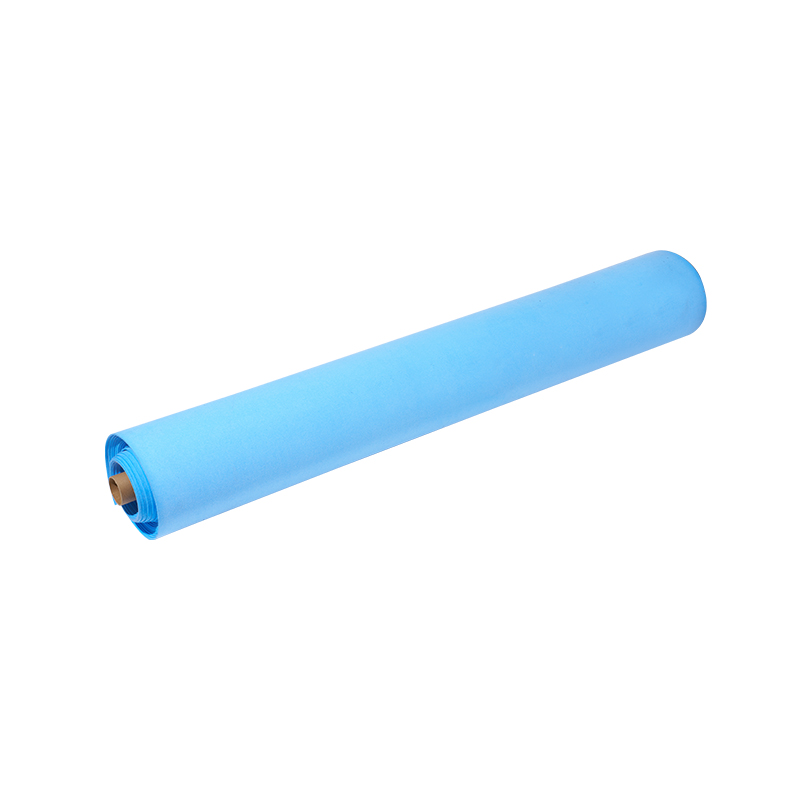
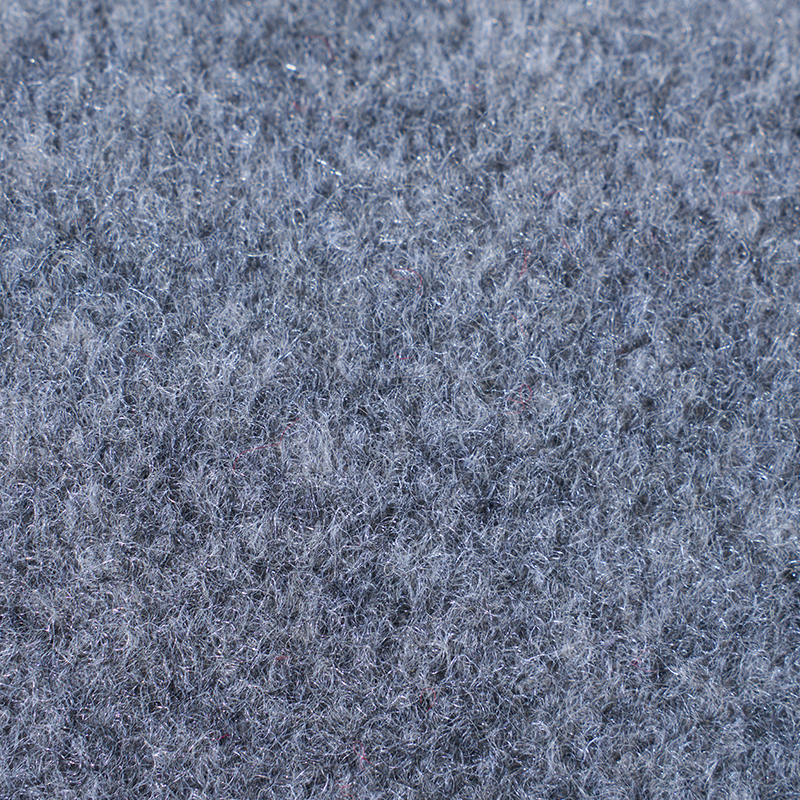
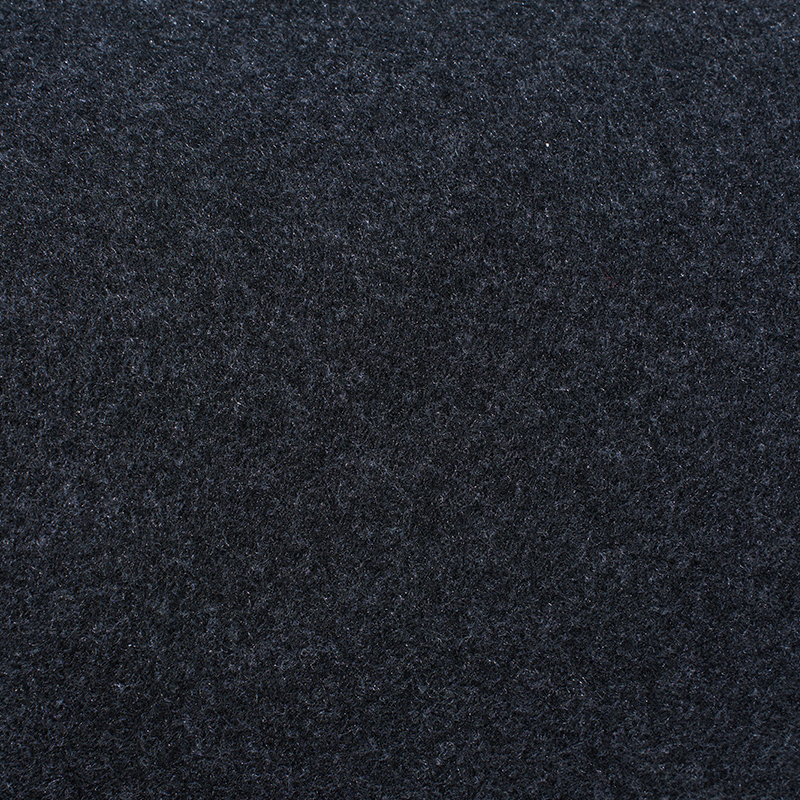
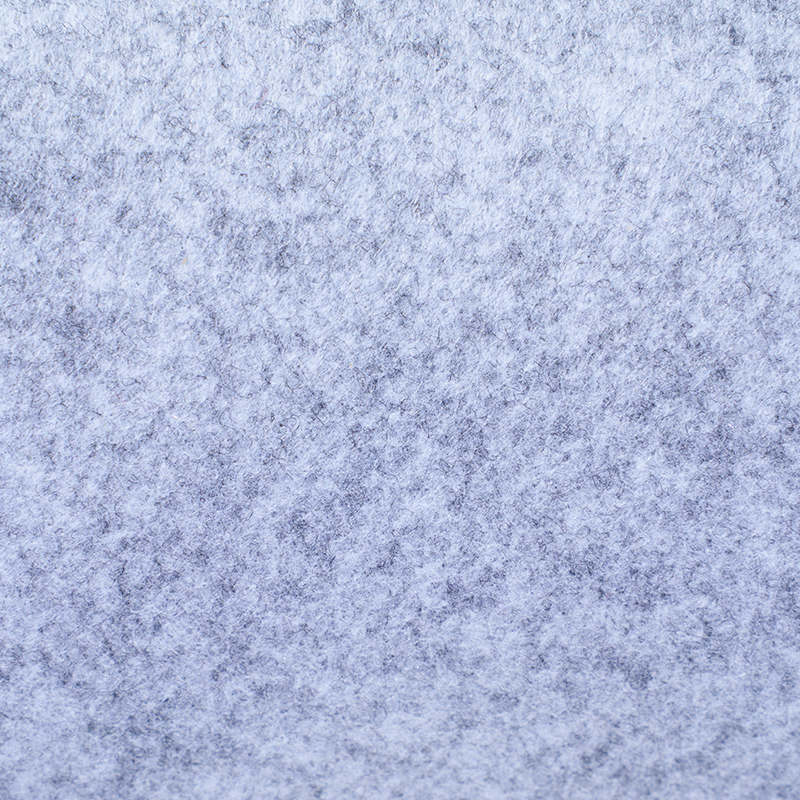
GRS nonwoven fabric is a sustainable textile made from fibers that meet the Global Recycled Standard (GRS), ensuring responsible sourcing and environmentally conscious production. This fabric is created by bonding recycled or partially recycled fibers without weaving or knitting, resulting in a durable, uniform, and versatile material.
GRS nonwoven fabric combines strength, flexibility, and lightweight properties, making it suitable for industrial applications, home furnishings, packaging, and crafts. Its eco-friendly composition supports circular economy practices while maintaining high performance. Easy to cut, shape, and handle, GRS nonwoven fabric offers both functionality and sustainability for a wide range of creative and practical uses.
GRS, which stands for Global Recycled Standard, is a material made of fibers through mechanical, chemical, or thermal treatment. Simply put, GRS nonwovens are nonwovens made from recycled fibers. This material is not only light and durable, but also significantly reduces resource consumption during the production process. It is really the good choice for environmental protection.
With the improvement of environmental awareness, GRS nonwovens have found their place in many industries:
Clothing industry: More and more brands are beginning to use GRS nonwovens as fabrics for clothing, which not only improves the environmental protection of the products but also attracts a large number of young consumers.
Home furnishings: From curtains to bedding, the application of GRS nonwovens makes the home environment more comfortable and safe.
Medical industry: In medical protective clothing, surgical kits and other aspects, GRS nonwovens have won the trust of medical staff with their good performance.
Of course, any industry will encounter challenges in the process of transformation. one of all, the production cost of GRS nonwovens is relatively high, which makes some small businesses discouraged. However, many companies have gradually reduced costs by cooperating with recycling resource companies, while also promoting the development of the circular economy.
In addition, the market awareness of GRS nonwovens is still not high enough, and many consumers have a limited understanding of its advantages. Therefore, carrying out publicity and education activities to enhance public awareness will be an important task for the industry in the future.
Looking to the future, GRS nonwovens have great development potential. With the advancement of technology and the improvement of production processes, its application range is expected to continue to expand. Coupled with the support of various countries' policies for environmental protection, GRS nonwovens will become the preferred material for more industries.
In short, GRS nonwovens are not only an environmentally friendly material, but also a sustainable industry solution. Facing the future, seizing this trend will bring new opportunities and challenges to enterprises. Let us look forward to the wide application of GRS nonwovens in all walks of life!