

 English
 Español
 عربى
عربى

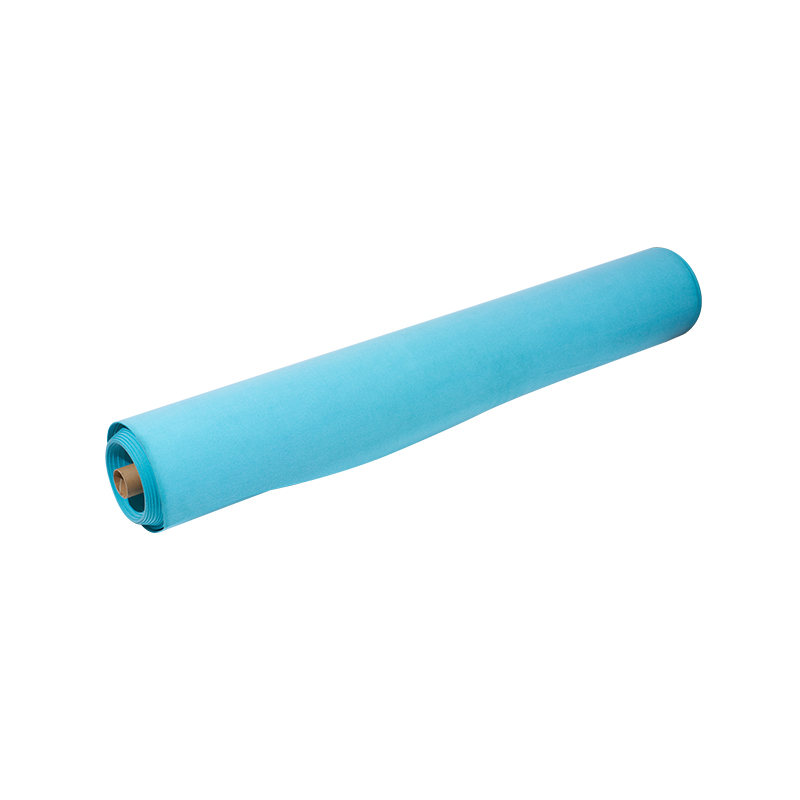
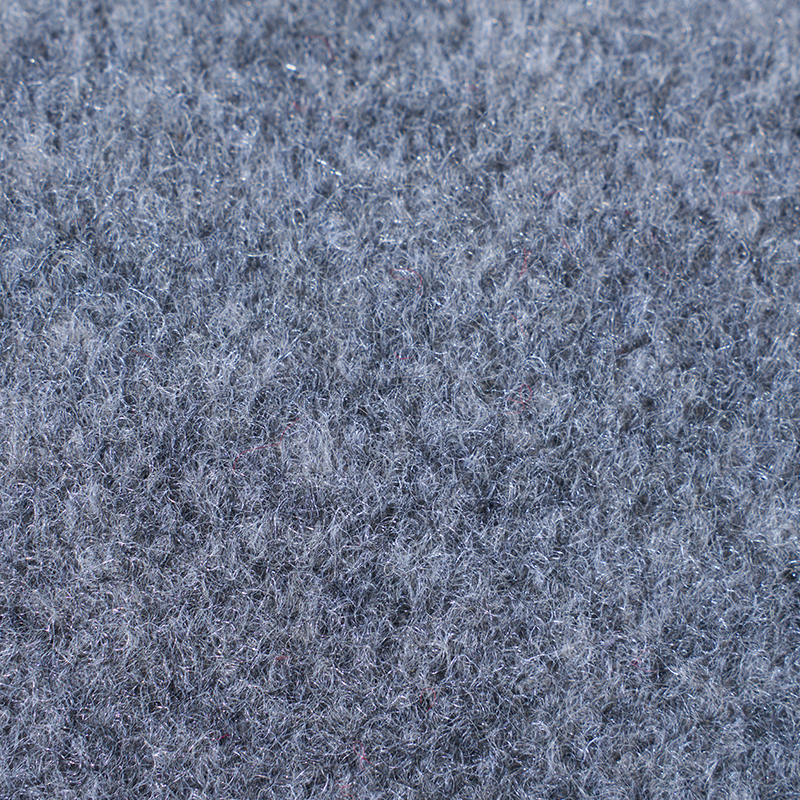
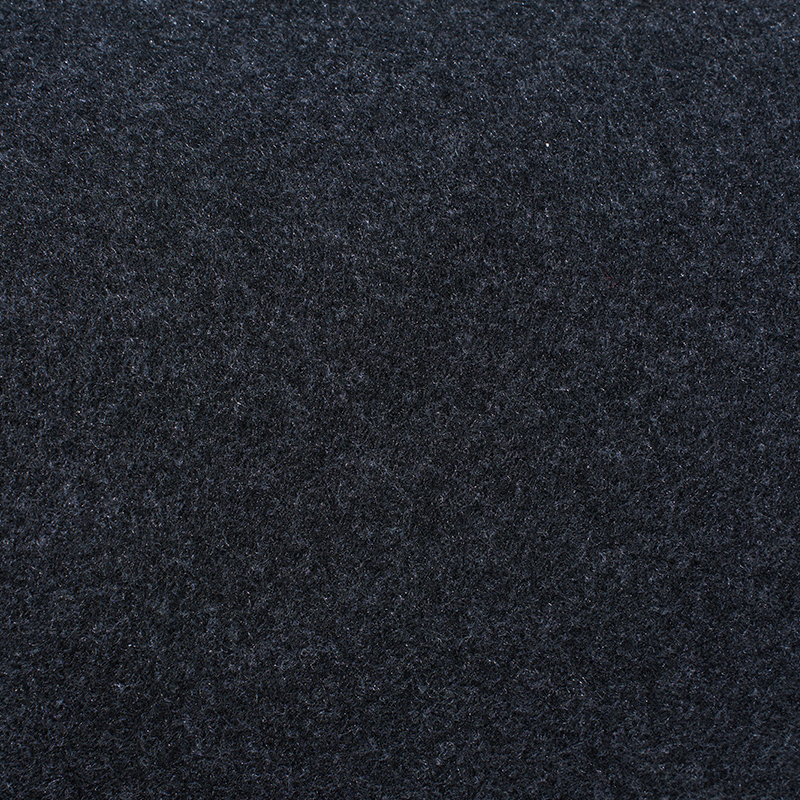
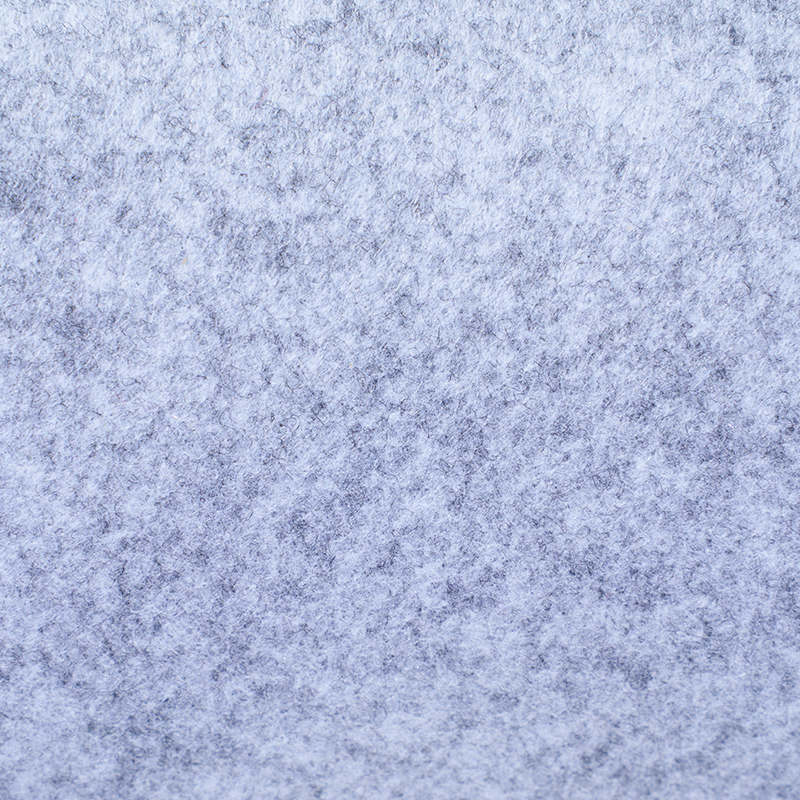
Nonwoven fabrics are increasingly recognized as an important material in the construction industry due to their unique combination of lightweight structure, durability, and environmentally friendly characteristics. Unlike traditional textiles, nonwoven fabrics are produced by bonding fibers together through mechanical, thermal, or chemical processes rather than weaving or knitting. This method allows manufacturers to produce materials with consistent thickness, uniform strength, and customizable properties, making them highly suitable for construction applications.
One of the primary uses of nonwoven fabrics in building materials is in roofing systems. Nonwoven fabrics can serve as underlays or protective layers, offering resistance to moisture, wind, and other environmental factors while contributing small weight to the structure. Their porous nature also allows for vapor permeability, which helps prevent condensation and related damage in buildings. Additionally, these fabrics are commonly applied in roofing membranes and protective coatings, providing a flexible and reliable solution for both residential and commercial projects.
Thermal insulation is another area where nonwoven fabrics have shown significant advantages. Materials such as polyester, polypropylene, or natural fiber-based nonwoven fabrics can trap air effectively, reducing heat transfer and improving energy efficiency. In recent years, bio-based nonwoven fabrics, including hemp fiber or recycled cotton nonwovens, have emerged as promising alternatives. These materials not only provide adequate thermal resistance but also align with sustainable construction practices by reducing reliance on petroleum-based products and encouraging circular material use.
Sound insulation is a further application in which nonwoven fabrics contribute to enhanced building performance. Their dense yet lightweight structure allows them to absorb and dampen sound waves, improving acoustic comfort within residential and commercial spaces. By integrating nonwoven layers in walls, floors, and ceilings, architects and builders can create quieter indoor environments without significantly increasing construction weight or thickness. Natural fiber nonwoven fabrics, in particular, have demonstrated good acoustic performance while maintaining environmental benefits, which supports the trend toward green and sustainable building design.
The growing interest in sustainable construction has driven research and development of nonwoven fabrics that are fully recyclable or biodegradable. Many manufacturers are exploring ways to produce nonwoven materials from renewable fibers or post-consumer recycled sources, combining performance with environmental responsibility. Such innovations support the development of green buildings and reduce the environmental impact associated with traditional construction materials.
Market trends indicate that the demand for nonwoven fabrics in construction is likely to expand steadily over the next five years. This growth is fueled not only by the push for sustainability but also by the practical advantages of nonwoven fabrics, including ease of installation, adaptability to various construction needs, and consistent performance under diverse conditions. As architects and engineers continue to adopt these materials, nonwoven fabrics are expected to play a key role in advancing modern, eco-friendly building solutions.
In conclusion, nonwoven fabrics are proving to be versatile, reliable, and sustainable materials for the construction industry. Their applications in roofing, thermal insulation, and sound insulation demonstrate their practical benefits, while the increasing use of recyclable and bio-based fibers aligns with global efforts toward environmentally responsible building practices. With ongoing innovations and growing market acceptance, nonwoven fabrics are set to become an integral component of green construction in the years ahead.