

 English
 Español
 عربى
عربى

Global buyers are placing greater emphasis on material performance, supply chain stability, and long-term value rather than simply comparing prices. As industries continue to demand stronger, more sustainable, and application-specific materials, Needle Non Woven Fabric has become a preferred solution across automotive, filtration, construction, furniture, geotextiles, and industrial manufacturing. However, selecting the right fabric is not always straightforward. Understanding key performance factors before sourcing can help buyers reduce production risks, improve product quality, and build a more reliable supply chain.
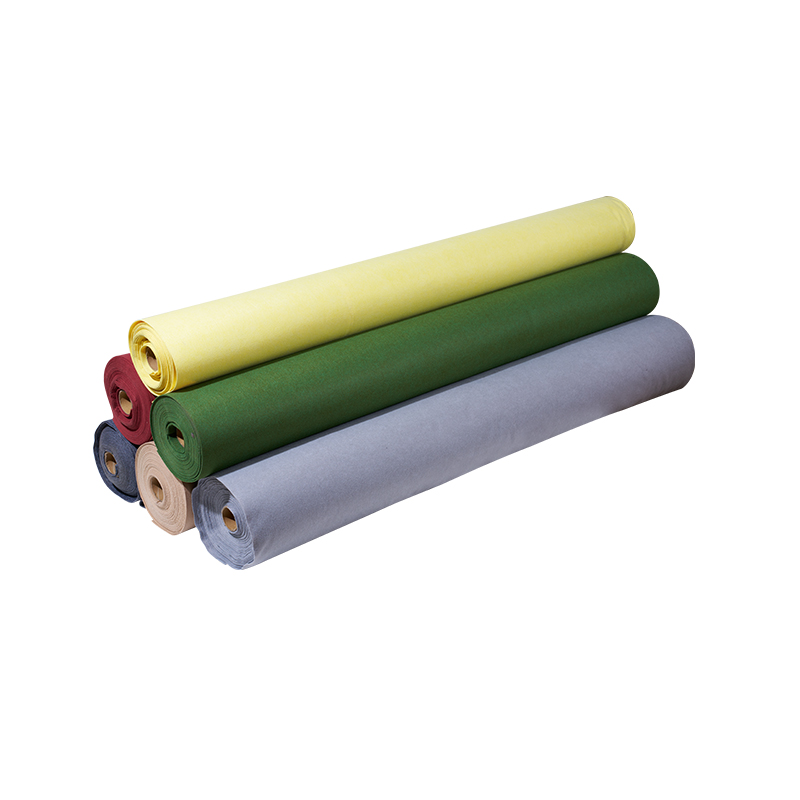
Why Material Selection Matters More Than Ever
Many purchasing teams discover that two needle-punched nonwoven fabrics with similar specifications can perform very differently in actual production. Fiber composition, punching density, thickness consistency, tensile strength, and dimensional stability all influence the final product.
Instead of focusing only on weight or price, experienced buyers increasingly evaluate whether the material is suitable for continuous manufacturing, environmental conditions, and the expected product lifespan. Choosing the right needle-punched nonwoven fabric supplier early can prevent unnecessary production interruptions and quality issues later.
Key Properties Buyers Should Evaluate Before Purchasing
When comparing suppliers, several technical characteristics deserve close attention:
Fiber type (polyester, polypropylene, recycled fibers, or blends)
Fabric weight and thickness tolerance
Tensile and tear strength
Air permeability and drainage performance
Abrasion resistance
Dimensional stability after processing
Surface uniformity for downstream lamination or coating
These factors directly affect manufacturing efficiency as well as finished product performance. Requesting application-specific recommendations is often more valuable than selecting materials solely by standard specifications.
Matching Needle Nonwoven Fabric to Different Applications
Different industries require different performance priorities.
For automotive interiors, manufacturers often focus on durability, dimensional stability, and noise reduction.
For filtration products, consistent fiber distribution and controlled permeability are critical.
Construction and geotextile projects typically require high tensile strength, puncture resistance, and long-term durability under varying environmental conditions.
Furniture manufacturers usually prioritize cushioning support, shape retention, and processing efficiency.
Working with a manufacturer that understands multiple application scenarios allows buyers to optimize both product performance and production costs.
Sustainability Has Become a Practical Purchasing Requirement
Environmental considerations are becoming part of everyday procurement decisions rather than optional preferences. Many buyers now ask about recycled fiber options, efficient manufacturing processes, and material consistency across production batches.
As a professional manufacturer, we support customers by offering customized material solutions that balance performance requirements with responsible material selection whenever project specifications allow. Stable production management also helps reduce unnecessary waste throughout the manufacturing process.
Supply Reliability Is Just as Important as Product Quality
Even high-quality materials create problems if delivery schedules are inconsistent. Procurement managers increasingly evaluate suppliers based on production capacity, quality control systems, communication efficiency, and technical support.
A reliable manufacturing partner should provide:
Consistent product quality across batches
Flexible customization for thickness, density, and width
Stable lead times for long-term projects
Responsive technical assistance during product development
Clear documentation and quality inspection procedures
These capabilities often contribute more to successful long-term cooperation than short-term pricing advantages.
How Manufacturers Can Support Better Product Development
Selecting the appropriate material should be a collaborative process rather than a simple transaction. During product development, engineering teams frequently need guidance on optimizing fabric structure, balancing cost with performance, or adapting materials for new manufacturing processes.
With extensive manufacturing experience, we work closely with customers from initial material selection through production optimization. Our engineering and quality teams focus on delivering consistent industrial needle-punched nonwoven fabric solutions that meet practical application requirements while supporting efficient large-scale manufacturing.
Successful sourcing begins with understanding application needs instead of comparing specifications alone. The right Needle Nonwoven Fabric can improve product durability, manufacturing efficiency, and overall supply chain reliability when supported by experienced technical expertise and consistent production capabilities. As a dedicated manufacturer, we are committed to providing customized nonwoven solutions, dependable quality, and responsive service to help global customers build products that perform with confidence in demanding industrial environments.