

 English
 Español
 عربى
عربى

In today’s competitive manufacturing environment, companies are looking for materials that can improve product performance while maintaining efficient production processes. Needle Non Woven Fabric has attracted increasing attention from global buyers because of its versatility, strength, and adaptability across different industries. From filtration and automotive components to insulation, construction, and protective applications, choosing a suitable nonwoven material has become an important decision for engineers and procurement teams. Understanding how to select and apply this material correctly can help manufacturers achieve better product consistency and reduce unnecessary processing challenges.
Understanding the Role of Needle Punched Technology
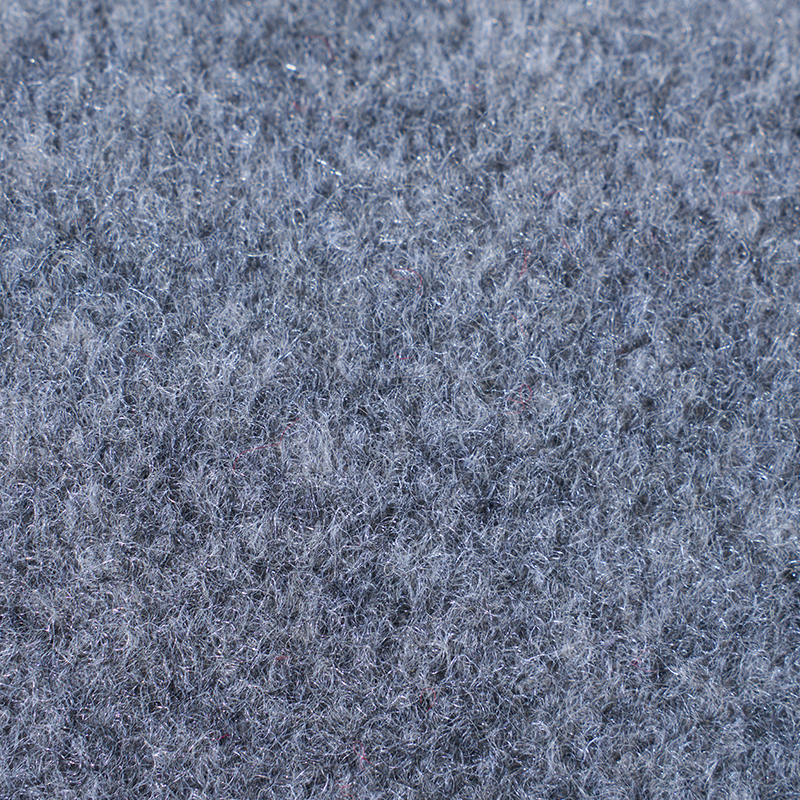
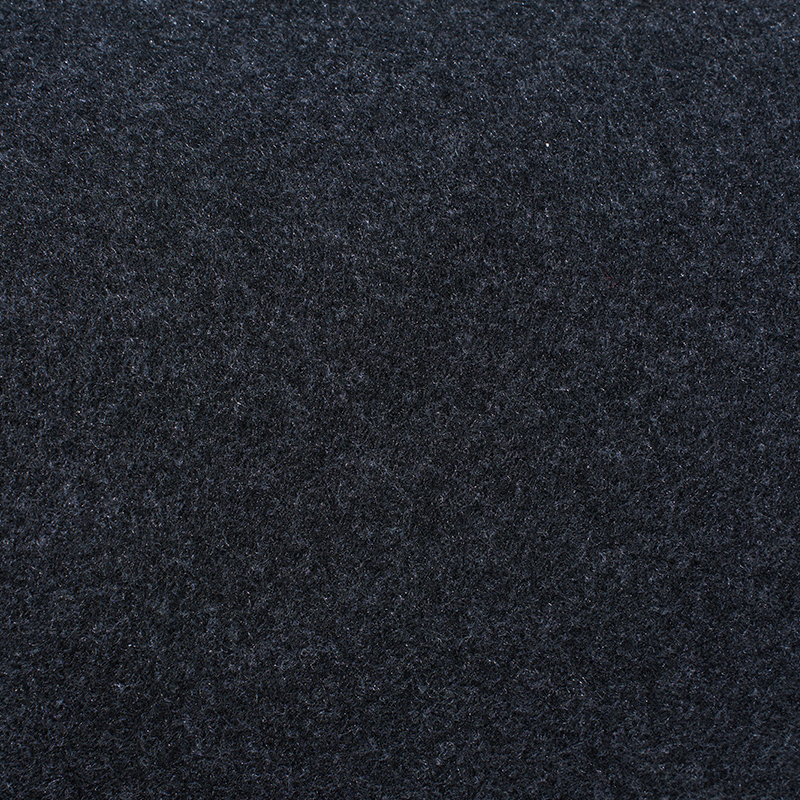
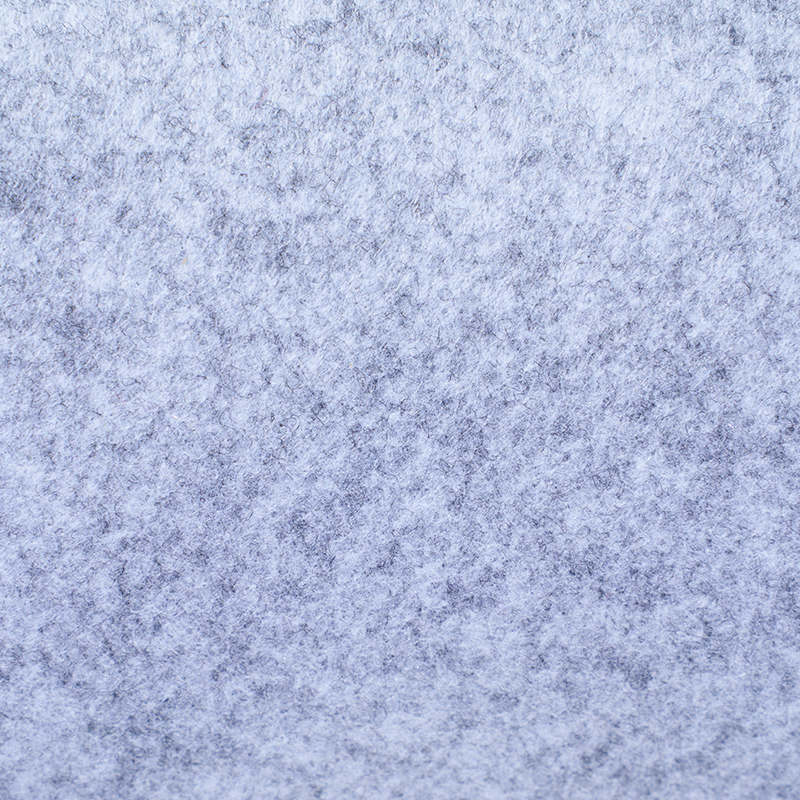
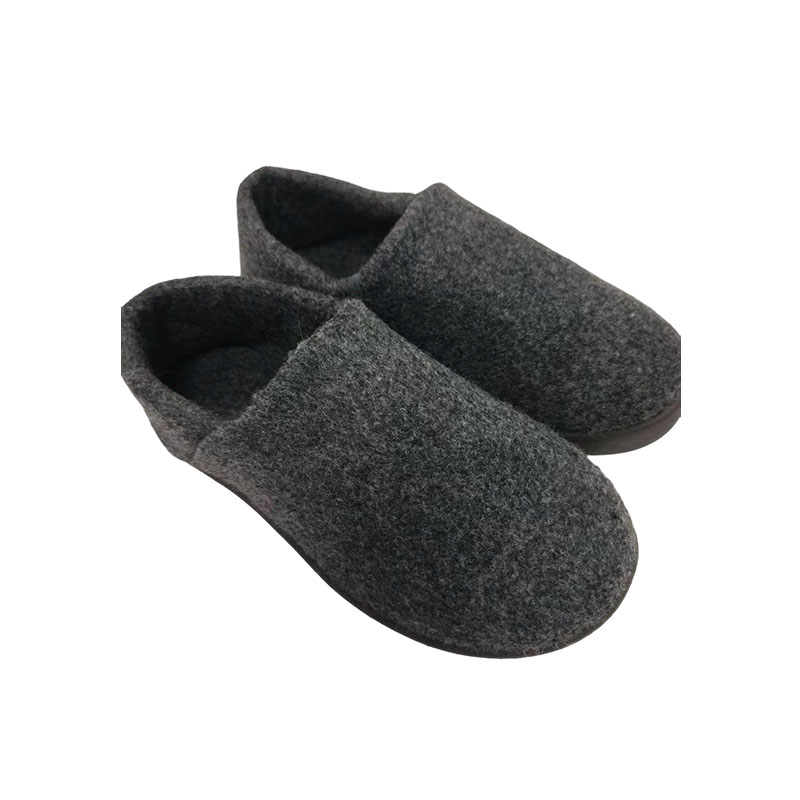
Needle-punched nonwoven materials are produced by mechanically entangling fibers through thousands of needle penetrations, creating a stable three-dimensional fiber structure without traditional weaving or knitting processes.
This manufacturing method provides several advantages:
- Strong fiber bonding and structural stability
- Good resistance to stretching and tearing
- Adjustable thickness and density for different applications
- Excellent flexibility for customized designs
Compatibility with additional treatments such as coating or lamination
For buyers searching for reliable nonwoven solutions, understanding the production process helps them evaluate whether a supplier can provide materials that meet specific industrial requirements.
Common Challenges Faced by Global Buyers
Many purchasing managers encounter difficulties when sourcing nonwoven fabrics internationally. The main concerns usually include inconsistent quality, unsuitable material selection, and limited technical support.
Some common issues include:
- Fabric performance not matching the intended application
- Variations between different production batches
- Difficulty balancing cost and required durability
- Lack of professional recommendations during product development
A qualified needle-punched nonwoven fabric manufacturer should not only provide materials but also help customers select the right structure according to their production environment and final product expectations.
Selecting the Right Fabric According to Application Needs
Different industries require different characteristics from needle-punched materials.
For example:
Automotive applications
Materials used in automotive interiors often require good acoustic performance, abrasion resistance, and stable dimensions after processing.
Filtration systems
Filter manufacturers usually focus on air permeability, fiber uniformity, and particle retention performance.
Construction and engineering projects
Geotextile applications demand strong mechanical properties, durability, and resistance to environmental conditions.
Furniture and bedding products
Manufacturers typically require soft touch, resilience, and reliable support layers.
By identifying the actual working conditions, buyers can avoid choosing materials based only on basic specifications.
Customization Helps Improve Manufacturing Efficiency
Every production environment has different requirements. Standard materials may not always provide the best solution for specialized applications.
Professional suppliers can support customization in areas such as:
- Fiber composition adjustment
- Fabric thickness and weight optimization
- Width customization
- Color options
- Surface treatment solutions
This approach allows customers to receive materials that fit their manufacturing processes more effectively instead of modifying existing production lines to accommodate unsuitable fabrics.
Quality Control Builds Long-Term Supply Confidence
For international buyers, stable quality is one of the most important factors when selecting a nonwoven supplier. A reliable manufacturer should have a structured quality management process covering raw material inspection, production monitoring, and finished product evaluation.
Key quality considerations include:
- Consistent fiber distribution
- Stable thickness and weight
- Reliable mechanical strength
- Clean surface appearance
- Accurate order specifications
These factors help customers maintain consistent product quality and avoid delays caused by material-related problems.
The Growing Importance of Sustainable Nonwoven Solutions
Sustainability has become an important consideration for many companies during supplier evaluation. Manufacturers are exploring ways to reduce material waste, improve production efficiency, and introduce more environmentally responsible fiber options.
Modern industrial needle punched non woven fabric solutions can support these goals through optimized material structures and customized production methods. By selecting suitable fibers and processing techniques, companies can achieve the performance they need while considering environmental requirements.
Partnering with an Experienced Manufacturer
Choosing a supplier is not only about purchasing fabric; it is about building a dependable manufacturing partnership. Experienced nonwoven manufacturers can provide technical communication, flexible production support, and solutions based on real application requirements.
With professional production capabilities and industry knowledge, we help global customers develop reliable Needle Non Woven Fabric solutions for various industrial applications. Through consistent quality control, customized services, and customer-focused support, we aim to help businesses improve product performance and create long-term value in their markets.