

 English
 Español
 عربى
عربى

Needle Non Woven Fabric is gaining attention across multiple manufacturing sectors because of its structural stability, design flexibility, and cost-performance balance. While once associated mainly with basic textile functions, the material is increasingly valued in infrastructure work, automotive engineering, filtration systems, and environmental protection projects. Its versatility is bringing it into discussions among engineering buyers, construction procurement teams, and product designers looking for consistent physical properties.
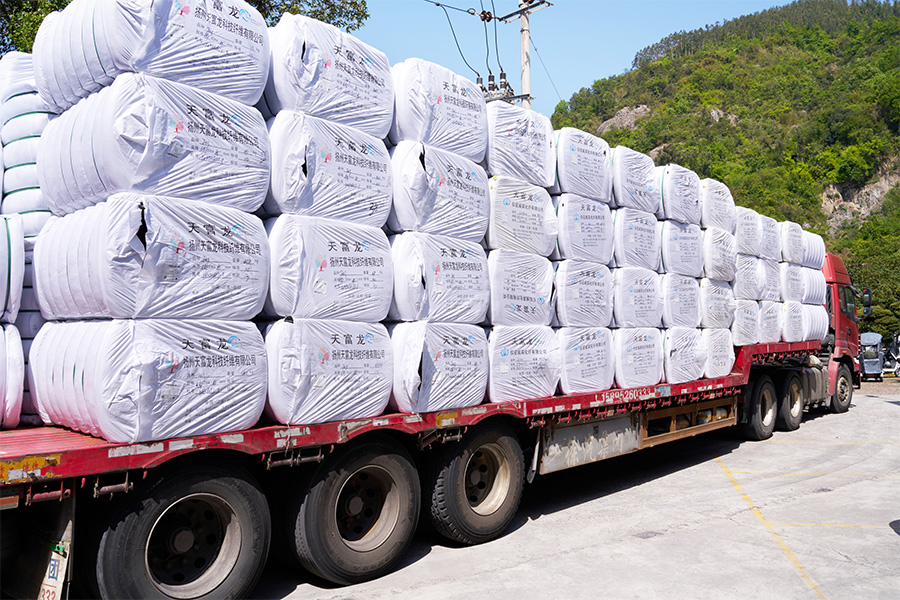
The most widely talked-about application of needle-punched material relates to geotextiles and civil engineering work. Contractors and project planners often prefer it because it combines thickness, compressive resistance, and dimensional stability. It is used to separate soil layers, reinforce soft ground, prevent erosion, and enhance drainage in road foundations. Expansion in urban development and highway construction has resulted in increased demand not only for standard rolls but also for specialized heavy-density products designed for water management projects.
Another hot topic is the use of needle-punched fabric in automotive manufacturing. Interior trim panels, insulation pads, floor linings, and sound-damping areas frequently use this material to achieve lightweight construction and stable performance in vibration and acoustic control. Electric vehicle development adds further requirements, where multilayer combinations are used to help manage heat shielding and reduce cabin noise.
Filtration applications are also generating considerable market interest. Industry discussions emphasize air filtration, liquid filtration, and dust collection in industrial environments. Needle-punched fabrics allow controlled porosity and particle retention, creating an option for making reusable filter media that can withstand repeated cleaning cycles. At the same time, new blends involving synthetic fibers or blends of natural fibers seek to improve performance in specific chemical or temperature conditions.
Sustainability remains another popular topic among buyers and product developers. Many production plants are examining ways to incorporate fibers from recycled textiles or reclaimed polymers. While not replacing mainstream virgin-polymer products, these blended lines appeal to companies aiming to improve environmental metrics. Certain suppliers are investing in equipment that increases fiber capture efficiency, making recycling more economically feasible.
Quality control and standardization are also widely discussed. Clients in the infrastructure and automotive sectors expect consistent density, tensile behavior, and tear resistance. Because specifications vary from project to project, the industry places attention on fabric weight range, puncture resistance, and dimensional stability. Buyers are moving toward long-term supplier relationships to ensure consistent output and documentation.
A few representative discussion points commonly referenced in industrial forums include:
- About 40–45% of global use is associated with hygiene, filtration, infrastructure, and automotive applications combined.
- Roughly one-fourth of the total nonwoven output volume can be attributed to needle-punched processing methods.
- Infrastructure projects continue to expand usage, especially in soil stabilization systems for road building and drainage fields.
- Automotive adoption is rising, particularly in thermal insulation and interior panels.
- Filtration products made from needle-punched structures are sought for dust management and industrial purification processes.
For companies involved in infrastructure, environmental engineering, automobile interiors, or industrial filtration, the potential use cases remain diverse and practical. With growing demand for adaptable and engineered material solutions, many buyers continue exploring opportunities to incorporate Needle Non Woven Fabric in future projects, product development work, or procurement plans.