

 English
 Español
 عربى
عربى

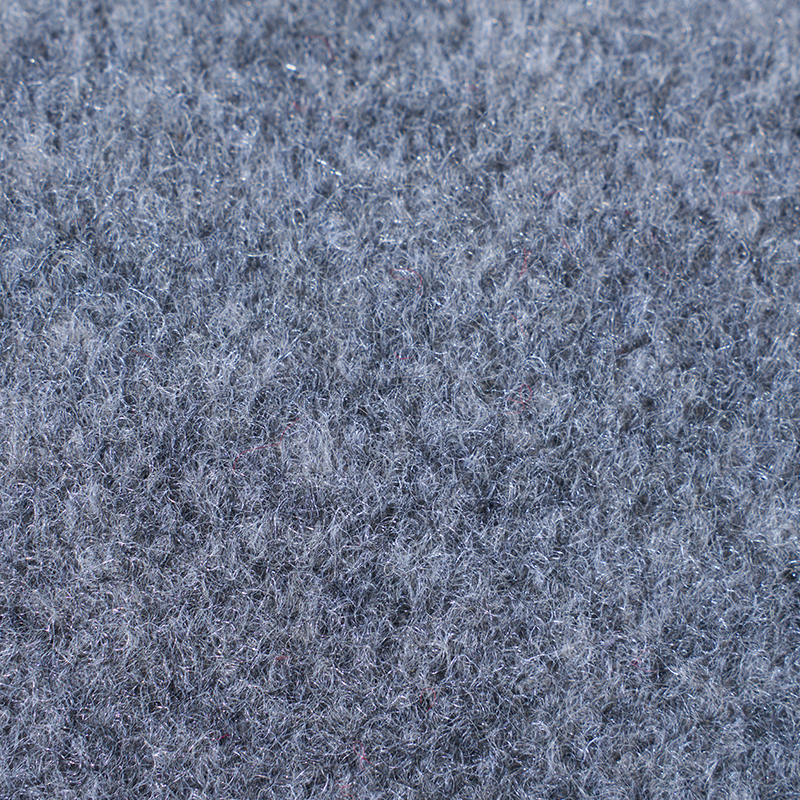
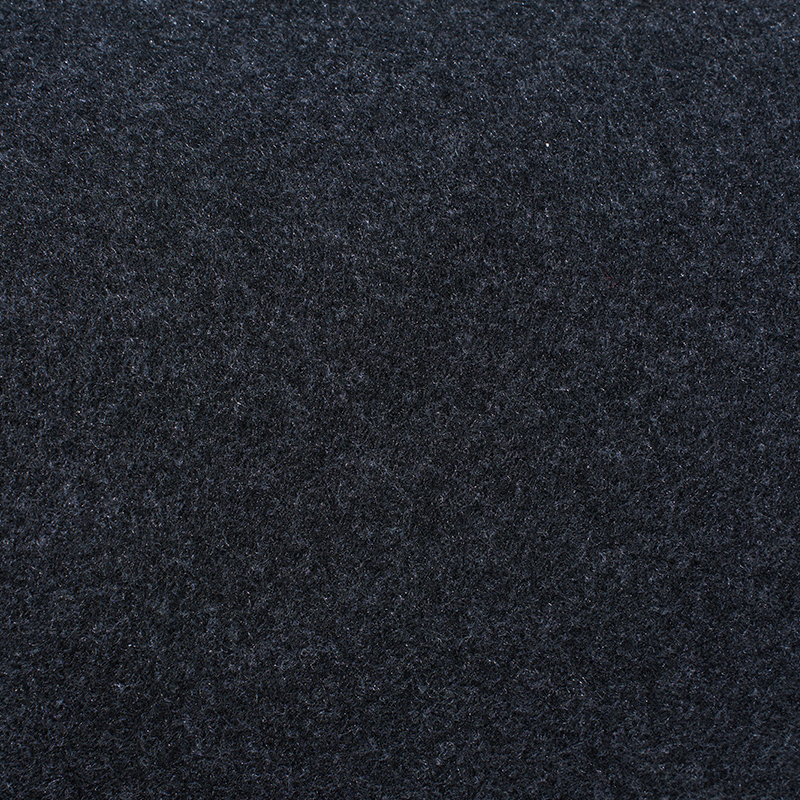
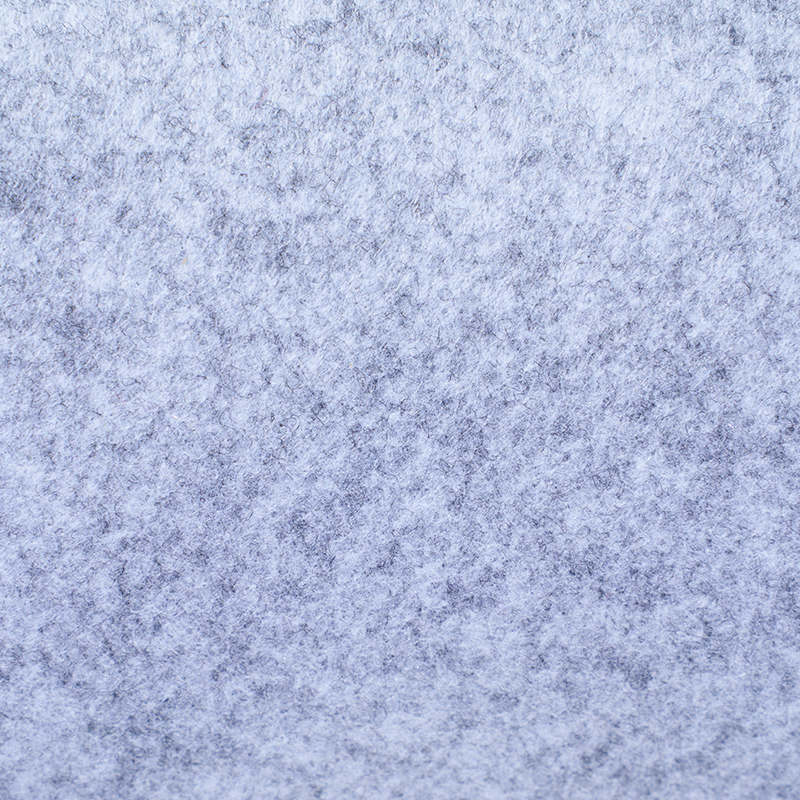
Water-Based Imitation Microfiber is drawing attention among manufacturers and product designers as a solvent-free alternative to traditional PU-based materials. Its water-borne manufacturing methods reduce reliance on organic solvents, enabling suppliers to offer softer handfeel and improved process adaptability for applications ranging from upholstery to cleaning cloths and footwear.
In construction of finished goods, the material is notable for combining textile-like texture with engineered surface properties. Designers value its consistent grain, controlled porosity, and ability to accept surface finishes that mimic suede, chamois, or smooth leather. These characteristics make water-based imitation microfiber suitable both for visible components (seat covers, armrests) and functional layers (wiping surfaces, laminated composites).
Manufacturers and buyers are discussing several specific application clusters where the material performs well:
- Automotive interiors: headliners, seat covers, armrests, and panels that require breathability and uniform appearance.
- Home and contract upholstery: furniture coverings that balance cleanability with tactile comfort.
- Cleaning and car-care cloths: engineered microfiber chamois and synthetic suede products with high absorbency and low-abrasion surfaces.
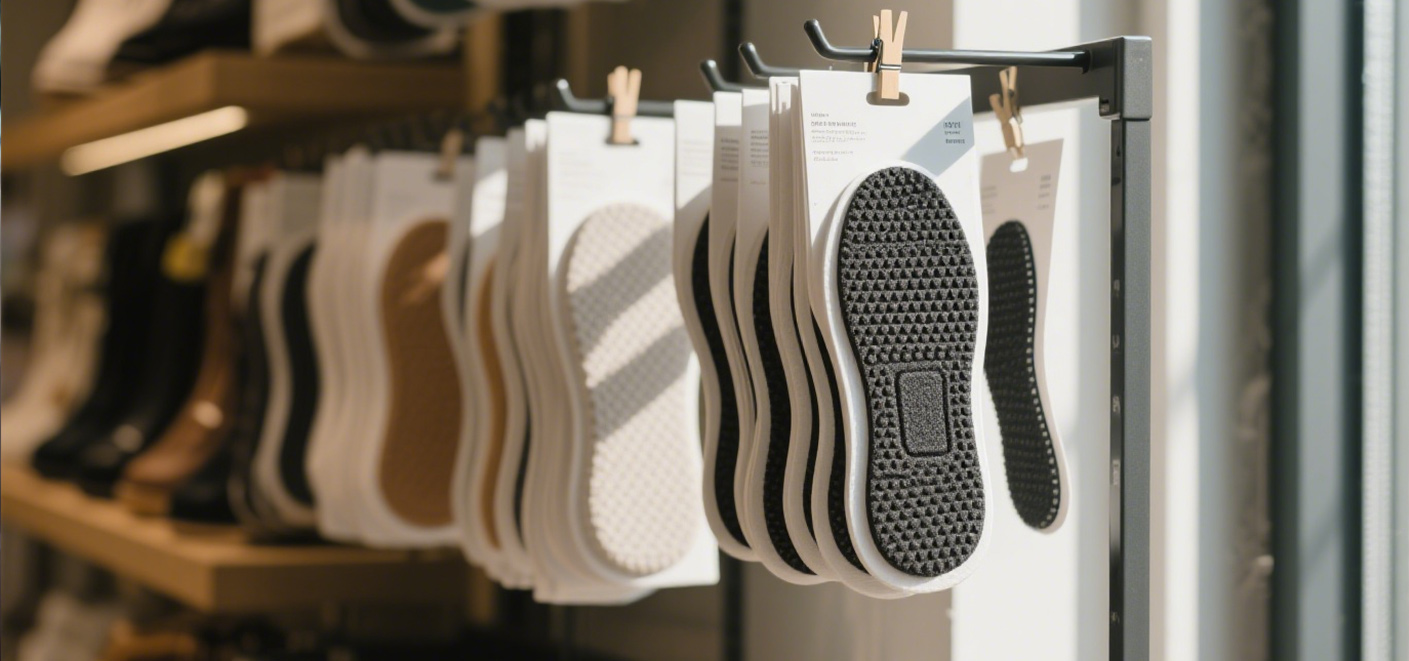
- Footwear and accessories: linings, insoles, and small goods that need thin, flexible, and durable facing materials.
A few representative data points frequently cited in sourcing discussions:
- Market estimates for microfiber and microfiber-leather segments show multi-billion dollar markets, creating broad supplier interest.
- In some supplier surveys, water-based formulations have increased production share as manufacturers seek to reduce solvent use.
- Product specifications commonly requested by corporate buyers include thickness (0.6–1.5 mm for many applications), tensile and tear values tailored to end use, and finishing options such as anti-stain or hydrophobic topcoats.
Technical considerations center on a handful of engineering tradeoffs. Water-based systems eliminate many solvent hazards but require careful control of polyurethane particle dispersion, coating uniformity, and drying/curing profiles. Suppliers invest in modified backing layers, fiber technologies (microfiber substrates, sea-island constructions), and lamination methods that secure the microstructure without losing hand feel. For cleaning cloths, manufacturers focus on fiber density and surface nap to balance capillarity and scratch safety.
Sustainability and compliance are practical drivers in procurement conversations. Buyers often ask about solvent-free production, limits on residual monomers, and third-party certificates that relate to chemical safety and worker exposure. Some product lines advertise DMF-free or OEKO-Tex standards and emphasize recyclable backings or recycled polyester content in the substrate.
Quality control is a common procurement checklist item. Typical tests requested from suppliers include: tear strength, tensile strength, thickness uniformity, abrasion cycles, color fastness to rubbing, and water absorption for wiping materials. Long-term buyers also examine production capacity (monthly meters), lead time, and documented test reports as part of supplier qualification.
A compact purchasing summary for specification teams:
- Define the end use first (appearance vs. wiping vs. structural backing).
- Require a clear technical sheet with mechanical properties and finishing options.
- Request sample panels with standard tests (abrasion, tensile, color fastness).
- Confirm production capacity and whether water-based lines can deliver consistent batches.
For companies evaluating material switches, water-based imitation microfiber can offer functional advantages where solvent reduction, hand feel, and controlled finishing are priorities. Sourcing teams seeking inquiries or quotes may find it effective to request sample sets that demonstrate both surface appearance and performance metrics for their intended application.
Water-Based Imitation Microfiber is positioned as a practical material solution for sectors that need engineered surface appearance combined with reduced solvent use and verifiable production parameters.