

 English
 Español
 عربى
عربى

Interior design trends continue to change as residential and commercial spaces place greater emphasis on comfort, texture, and practical material selection. Among the materials receiving increased attention, Water-Based Imitation Microfiber is becoming more common in soft furnishing applications because of its adaptable appearance, smooth texture, and compatibility with modern interior styles. Designers and furniture suppliers are exploring how this material can support both decorative value and everyday usability.
Soft Furnishing Trends Continue to Change
Modern interior spaces are increasingly focused on creating warm and comfortable environments. Soft furnishings such as cushions, upholstered panels, headboards, and decorative seating now play a larger role in shaping interior atmosphere and visual balance.
As a result, interior designers are paying closer attention to upholstery materials that can support different textures, colors, and surface finishes. Water-based imitation microfiber has become a practical option for many projects because it can provide a leather-like appearance while maintaining flexibility suitable for decorative applications.
Minimalist interiors, neutral color palettes, and textured furnishing elements continue to influence residential and commercial design preferences. Materials capable of supporting these visual styles are becoming more widely used in interior decoration projects.
Material Characteristics Support Interior Applications
Soft furnishings are expected to combine appearance with comfort. Upholstery materials used in decorative interiors often need to provide a soft touch while remaining suitable for regular daily use.
Water-based imitation microfiber is commonly selected for its smooth surface and flexible structure. Designers can incorporate the material into different furnishing styles, including modern seating, upholstered wall panels, and decorative cushions.
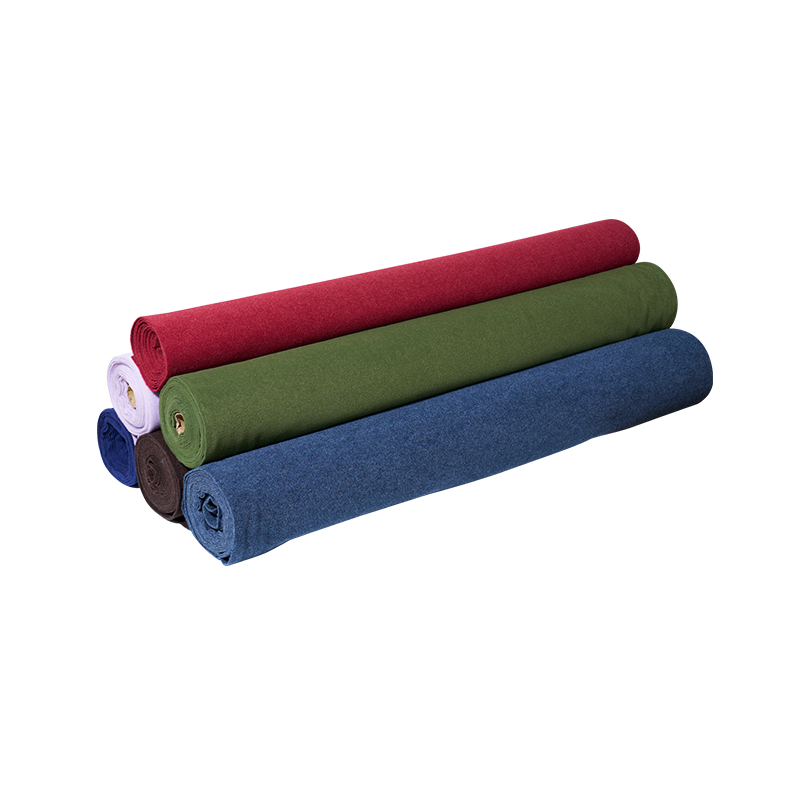
Color consistency is another factor influencing material selection. Interior projects often require matching tones across multiple decorative elements. Water-based imitation microfiber can support different color treatments and textured finishes used in contemporary interior spaces.
Maintenance convenience is also important for both residential and commercial environments. Decorative furniture and upholstered surfaces are exposed to routine contact, making easy cleaning characteristics valuable in daily interior use.
Commercial Interiors Drive Material Demand
Commercial interior projects are contributing to the growing use of water-based imitation microfiber materials. Hotels, cafés, office lounges, and reception areas often require furnishings that combine decorative appeal with practical maintenance.
Furniture used in commercial environments is expected to maintain a stable appearance despite continuous use. Designers are therefore selecting upholstery materials that can support abrasion resistance and surface consistency.
Matte textures and soft-touch finishes have become increasingly common in modern commercial interiors. Water-based imitation microfiber is being incorporated into these projects because it can support layered design concepts and comfortable visual environments.
Customized furnishing solutions are also becoming more popular. Interior designers frequently work with tailored furniture layouts, decorative panels, and personalized seating concepts that require adaptable upholstery materials.
Environmental Awareness Influences Design Choices
Environmental awareness continues to shape material discussions within the interior design industry. Water-based processing methods are often associated with lower solvent use, encouraging interest in alternative furnishing materials.
Consumers are paying more attention to indoor comfort and material odor characteristics when selecting decorative products for homes and offices. Interior suppliers are responding by exploring materials that align with these expectations.
The demand for vegan-friendly decorative materials is also increasing in several furnishing markets. Some consumers prefer upholstery products that avoid animal-derived materials while still offering a refined surface appearance.
Material developers continue to improve flexibility, surface durability, and texture performance for furnishing applications. As interior design trends continue to evolve, water-based imitation microfiber is expected to remain part of ongoing discussions surrounding modern decorative materials and soft furnishing development.