

 English
 Español
 عربى
عربى

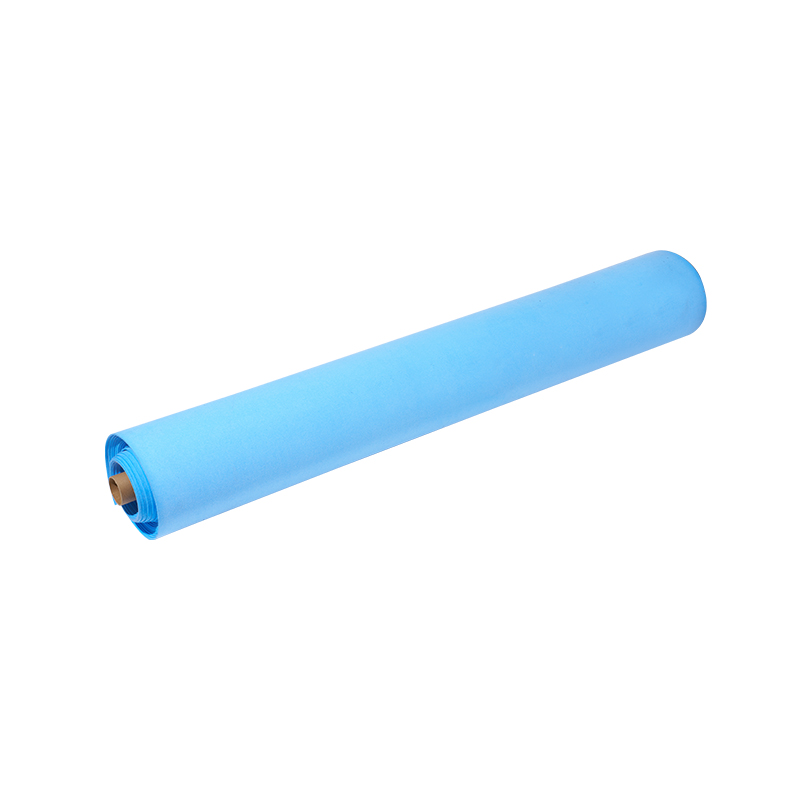
High-density felted nonwoven material is a versatile textile known for its compact structure, strength, and durability. Produced through a felting process, individual fibers are entangled and compressed to form a dense, cohesive sheet. This nonwoven construction provides dimensional stability, resilience, and resistance to wear, making the material suitable for a wide range of applications, including industrial, home, fashion, and acoustic uses.
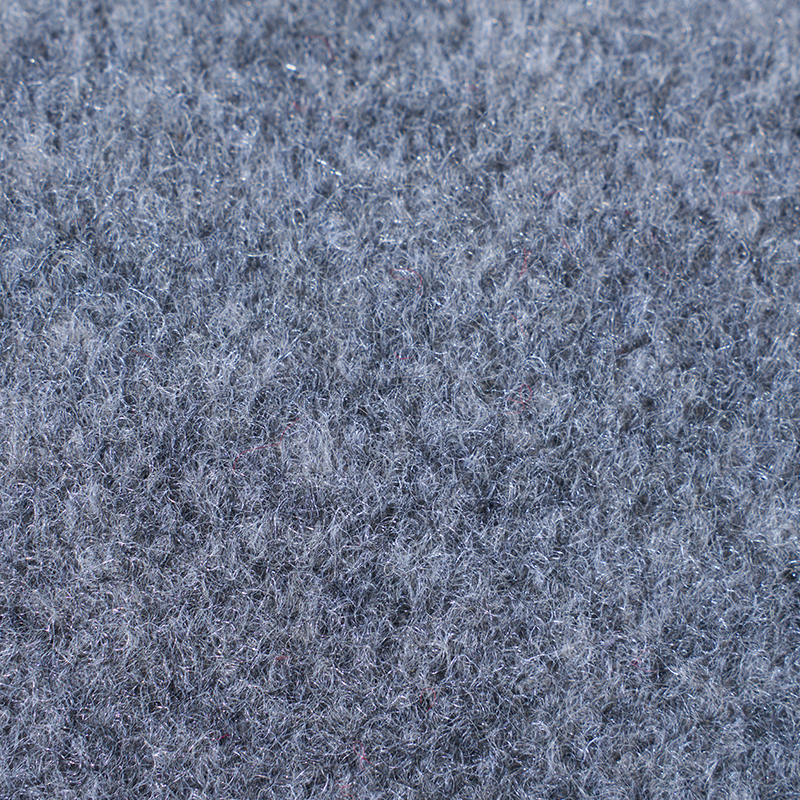
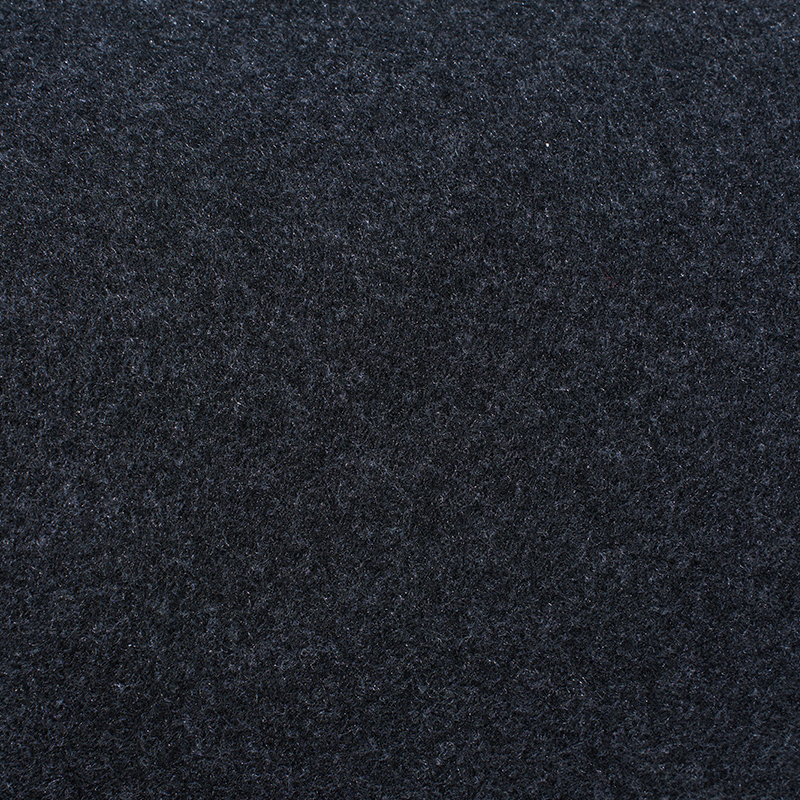
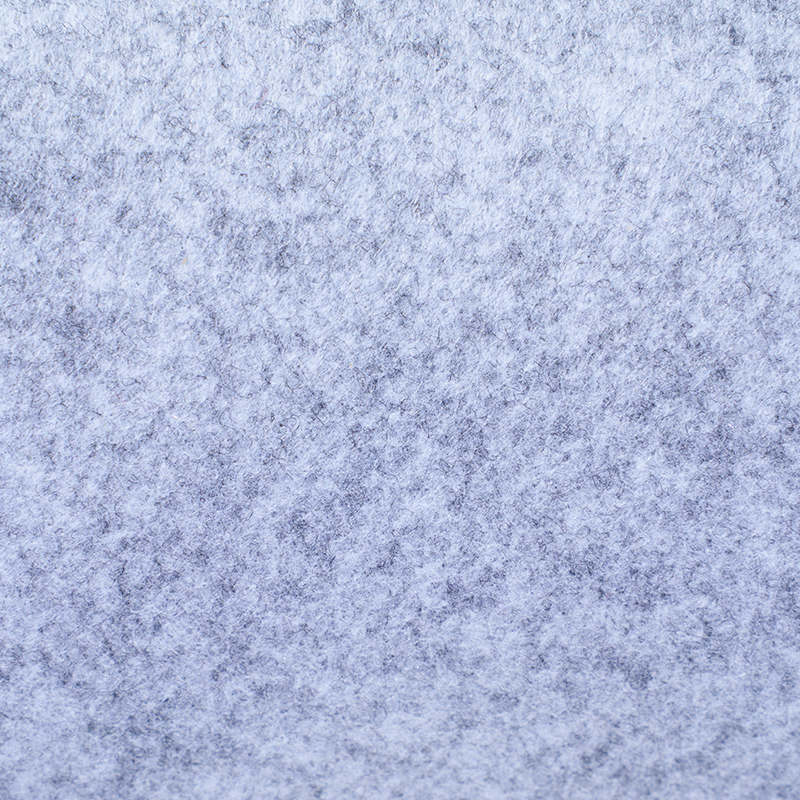
The fabric is typically composed of natural fibers, synthetic fibers, or a blend of both. Through mechanical or thermal felting processes, fibers are interlocked and compressed to create a uniform, high-density sheet. This dense arrangement increases tensile strength, reduces porosity, and provides a solid hand feel while maintaining flexibility. The thickness and density of the felt can be customized during production, allowing manufacturers to adapt the material for specific functional and aesthetic requirements.
High-density felted nonwoven material is valued for its ability to withstand mechanical stress and repeated use. The compact fiber network resists tearing, abrasion, and compression, making it suitable for applications where durability is required. Its stability ensures that shapes and dimensions are maintained even under continuous pressure or manipulation. These qualities contribute to the material’s reliability in both functional and decorative contexts.
In fashion and accessory design, high-density felted nonwoven material is often used for hats, bags, and protective garment components. Its firm structure allows items to retain shape while providing a soft, tactile surface. The material’s adaptability to cutting, sewing, and layering supports creative design, enabling the production of functional and visually appealing accessories. Its dense construction also provides insulation and cushioning when needed, enhancing comfort for the user.
high-density felted nonwoven material is widely used in home furnishings and interior design. It can serve as padding, lining, or a protective surface for furniture, rugs, and decorative panels. Its density provides thermal and acoustic insulation, making it suitable for applications that benefit from sound dampening or heat retention. The material’s tactile quality and durability make it ideal for both practical and decorative purposes in residential and commercial interiors.
In industrial settings, high-density felted nonwoven materials are applied as protective layers, gaskets, vibration dampers, and filtration components. The combination of compact structure and resilience allows it to absorb impact, reduce friction, and provide cushioning. Its customizable density and thickness enable engineers to tailor the material to specific technical needs, from lightweight protective sheets to heavy-duty padding in machinery or packaging.
High-density felted nonwoven materials are easy to maintain and retain their properties over time. Their dense construction resists compression and deformation, while the fiber composition ensures resistance to moisture, dirt, and general wear. Light cleaning or vacuuming is generally sufficient to preserve appearance and functionality, making the material practical for long-term use in both industrial and consumer applications.
High-density felted nonwoven material offers a combination of strength, durability, and versatility. Its compact structure and firm hand make it suitable for fashion, home furnishings, industrial applications, and acoustic solutions. With customizable density and thickness, the material can be adapted to a wide variety of functional and decorative purposes. Its balance of resilience, tactile appeal, and dimensional stability positions it as a practical and adaptable choice for multiple industries and applications.