

 English
 Español
 عربى
عربى

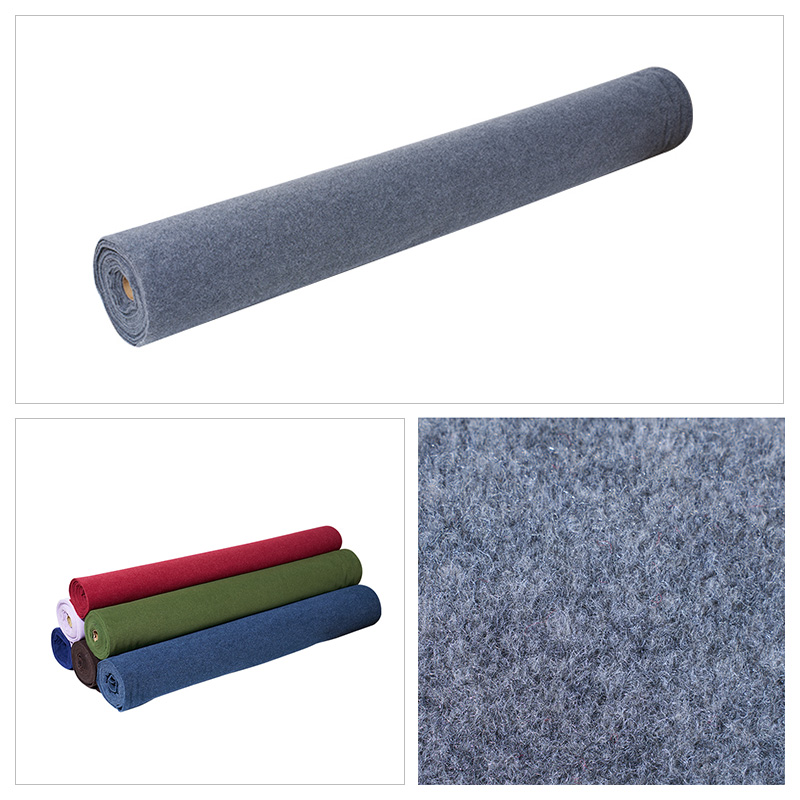
Surface-treated nap-raised nonwoven fabric is a specialized textile designed to provide a soft, textured surface while retaining the strength and stability of nonwoven materials. It is widely used in apparel, home furnishings, automotive interiors, and industrial applications.
Compressed wool dense felt nonwoven fabric is made by compacting natural wool fibers into a thick, cohesive sheet. The dense structure provides durability, resilience, and dimensional stability while retaining the soft and tactile qualities of wool. This fabric offers good thermal and acoustic insulation, making it suitable for home furnishings, fashion accessories, and industrial applications. Its firm yet flexible composition allows for easy cutting, shaping, and layering, supporting both functional and decorative uses. With natural aesthetics and versatile performance, compressed wool dense felt nonwoven fabric is valued for projects requiring comfort, protection, and reliable material stability.
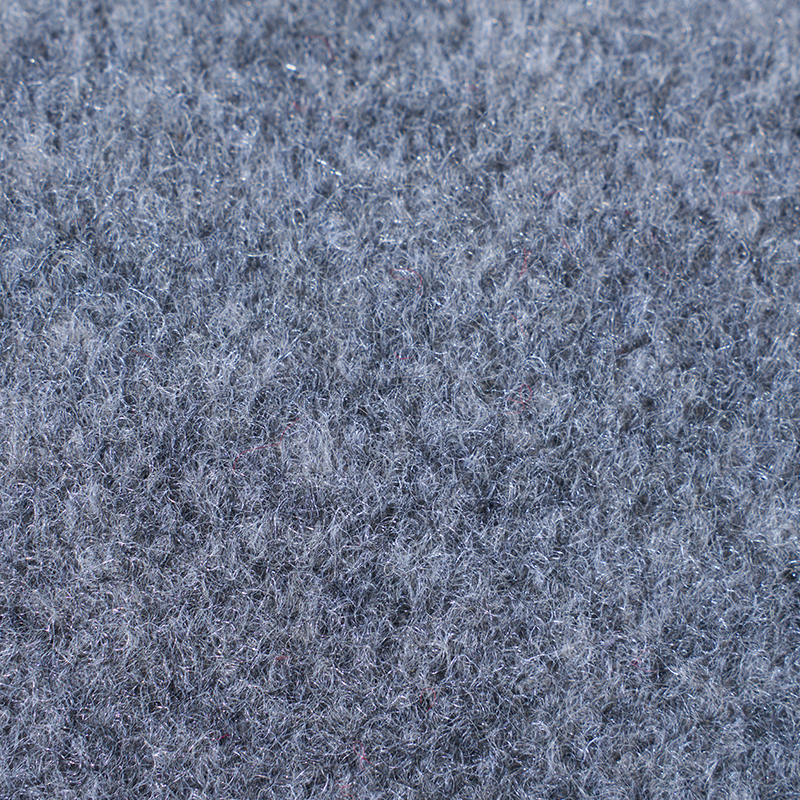
The base of the fabric is typically composed of synthetic or natural fibers arranged in a nonwoven structure. Unlike woven or knitted textiles, the fibers are bonded together through thermal, mechanical, or chemical methods, creating a stable sheet. The surface treatment may include brushing, sanding, or coating, which raises the fiber ends to form a soft nap. This nap enhances the fabric’s tactile feel and appearance while maintaining dimensional stability and strength.
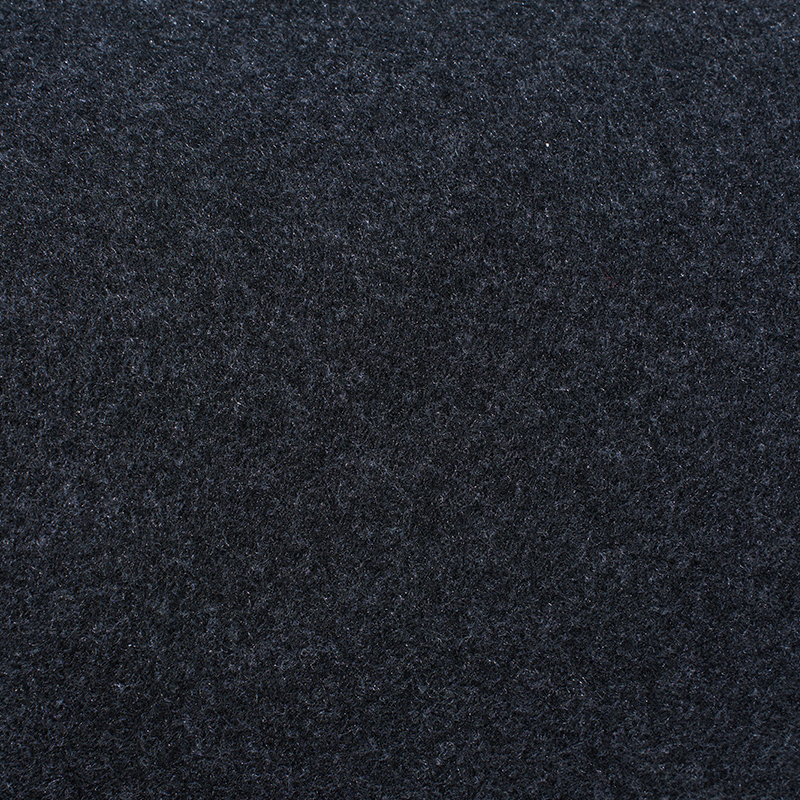
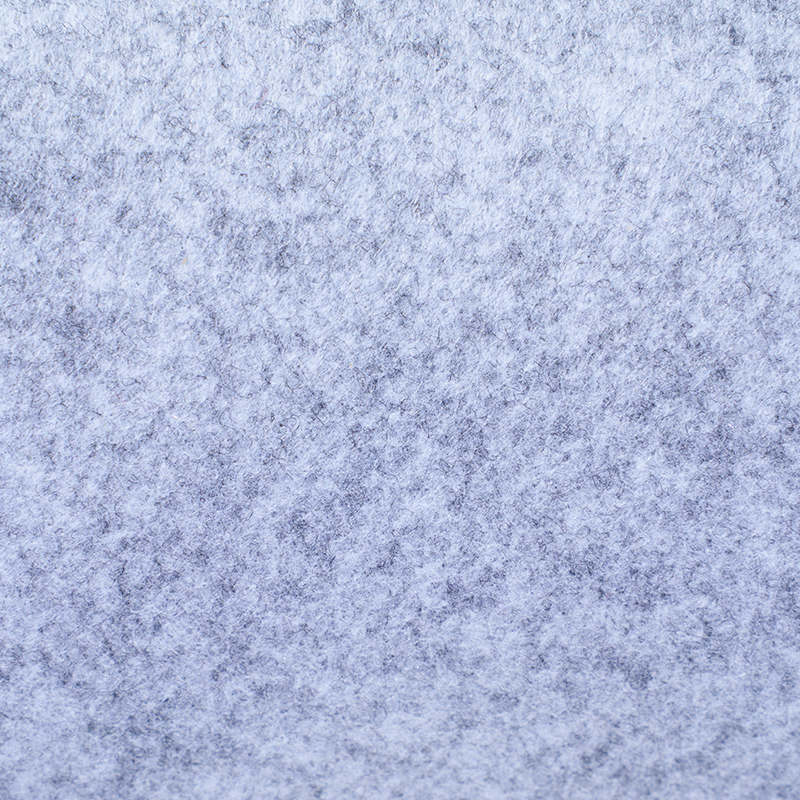
The raised nap of the fabric provides a gentle, velvety texture that improves comfort and adds visual interest. This characteristic makes surface-treated nap-raised nonwoven fabric suitable for applications where touch and aesthetics are important. The fabric’s texture can be customized through the density of the nap, the type of surface treatment, and fiber selection, allowing manufacturers to achieve different levels of softness and appearance.
In apparel and accessory design, nap-raised nonwoven fabric is often used for linings, decorative panels, collars, and soft embellishments. Its soft hand feel enhances comfort against the skin, while its structured nonwoven base ensures the garment retains its shape. Designers can incorporate this fabric into jackets, bags, hats, and footwear, providing both functionality and a refined appearance.
The fabric is also suitable for home furnishings, including upholstery, cushions, throws, and decorative panels. The nap-raising process gives furniture a luxurious and soft feel, while the nonwoven structure ensures dimensional stability and resistance to wear. The surface-treated finish can also improve the fabric’s resistance to stains or friction, extending its usability in high-traffic areas.
In automotive interiors, surface-treated nap-raised nonwoven fabrics are used in seat covers, headliners, and interior panels. The soft texture enhances comfort and reduces noise while the nonwoven backing provides strength and flexibility for installation. In industrial applications, the fabric can function as protective coverings, padding, or filtration layers where a soft surface and dimensional stability are required.
The maintenance of surface-treated nap-raised nonwoven fabric depends on the type of fibers and surface treatment. Generally, light vacuuming or gentle brushing preserves the nap and appearance. The durable nonwoven structure supports repeated use without significant deformation or loss of texture, ensuring long-term performance.
Surface-treated nap-raised nonwoven fabric combines a soft, raised texture with the stability and strength of nonwoven construction. Its versatility allows applications across apparel, home furnishings, automotive interiors, and industrial uses. With customizable surface treatments and nap density, this fabric provides designers and manufacturers with a material that balances tactile appeal, durability, and functional performance. Its adaptability makes it a practical choice for products where both comfort and aesthetics are important.