

 English
 Español
 عربى
عربى

Needle non woven fabric has gained growing attention in the textile and materials sector, becoming an essential part of product innovation and sustainable development strategies. Produced through the mechanical entangling of fibers without the need for weaving, this fabric provides durability, flexibility, and adaptability across multiple industries. Its role is not limited to traditional textile use; it also integrates into environmentally focused applications where efficiency and material recycling are emphasized.
One important category related to this material is GRS nonwoven fabric. Certified under the Global Recycled Standard, GRS fabrics highlight the alignment of needle non-woven fabric with recycling initiatives and responsible sourcing. Needle non-woven fabric, when applied as part of GRS-certified products, reflects the broader push for sustainable development non-woven fabric in global markets.
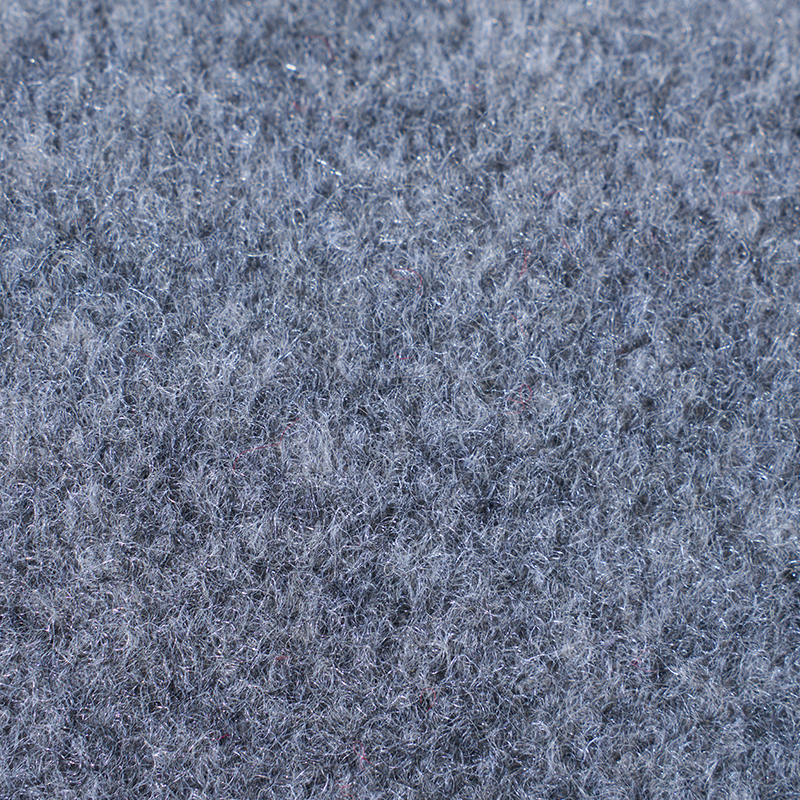
Another area of interest is cotton nonwoven fabric, which combines natural fibers with the needle punching process. This adaptation makes it suitable for applications where comfort, breathability, and softness are essential. In consumer goods such as hygiene products, filters, and household textiles, cotton-based needle non-woven fabric demonstrates how renewable raw materials can be incorporated without sacrificing practicality. When blended with synthetic fibers, the result is a versatile fabric that balances natural qualities with enhanced structural strength.
Hydrophilic non woven fabric represents another development, where water-absorbing properties are integrated into the structure of the fabric. Needle non woven fabric can be adapted to meet such requirements, making it useful in healthcare products, cleaning wipes, and absorbent layers. The hydrophilic characteristic improves functionality in applications that require moisture management while maintaining the mechanical resilience provided by the needle punching process.
Beyond these specific categories, nonwoven felt sheets also illustrate the versatility of needle non woven fabric. Their durability allows them to serve as reliable alternatives to traditional materials in technical sectors. When combined with other forms of nonwoven textiles, felt sheets broaden the scope of applications for needle non woven fabric across both consumer and industrial markets.
The alignment of needle non woven fabric with sustainability goals has strengthened its relevance in industries facing environmental considerations. Its adaptability also means that it can be tailored to meet diverse customer needs, from hygiene and medical products to construction and automotive materials.
Material choice remains a central factor in determining performance. Whether produced from polyester, polypropylene, cotton, or blended fibers, needle non woven fabric can be customized to achieve different textures, densities, and functions. This flexibility has allowed it to meet demands across industries while aligning with trends toward eco-friendly solutions.
Market perspectives indicate that demand for needle non woven fabric will continue across sectors such as healthcare, automotive, agriculture, and consumer goods. Its compatibility with GRS certification, cotton integration, and hydrophilic features illustrates its ability to meet changing expectations for sustainable and functional textiles. Nonwoven felt sheets further add to its industrial value, providing solutions that combine practicality with adaptability.
Needle non woven fabric, though often hidden within finished products, plays a foundational role in advancing both functionality and sustainability. By bridging categories such as GRS nonwoven fabric, cotton nonwoven fabric, hydrophilic non woven fabric, and nonwoven felt sheet, it demonstrates the breadth of possibilities offered by nonwoven technology.