

 English
 Español
 عربى
عربى

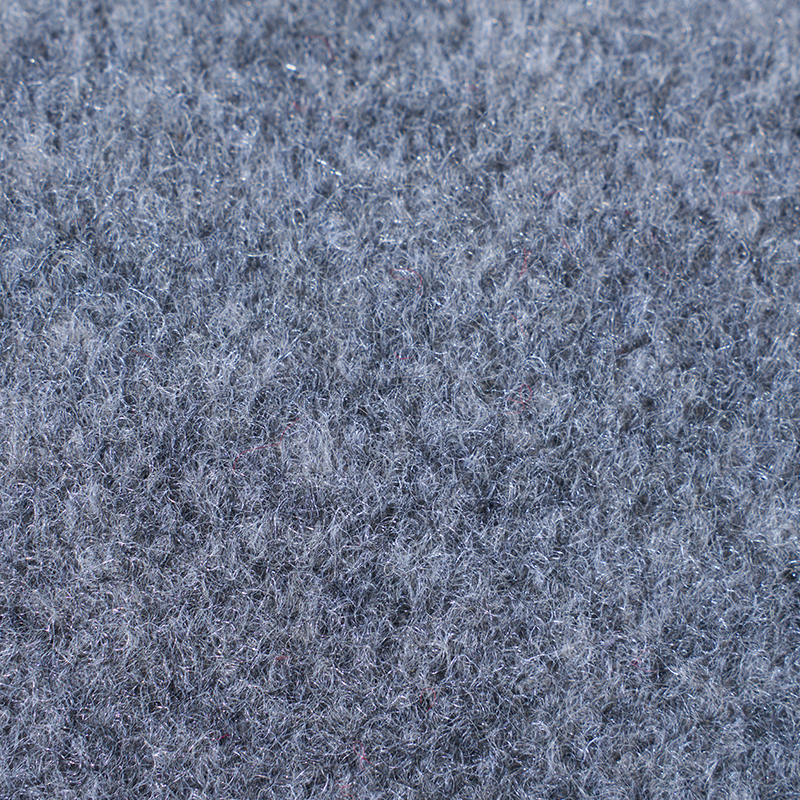
Felt non woven fabric has established its place as a versatile material across industries ranging from consumer goods to industrial production. Created through needle punching and fiber entanglement, it delivers strength, consistency, and adaptability without requiring traditional weaving. Its structural qualities, combined with opportunities for material innovation, position it as an important option in both functional and sustainable textile solutions.
Among its many categories, GRS nonwoven fabric highlights how felt non woven fabric aligns with recycling and resource management efforts. Manufacturers have been integrating felt non woven fabric into GRS-certified lines to address the need for recycled input while supporting broader environmental goals.
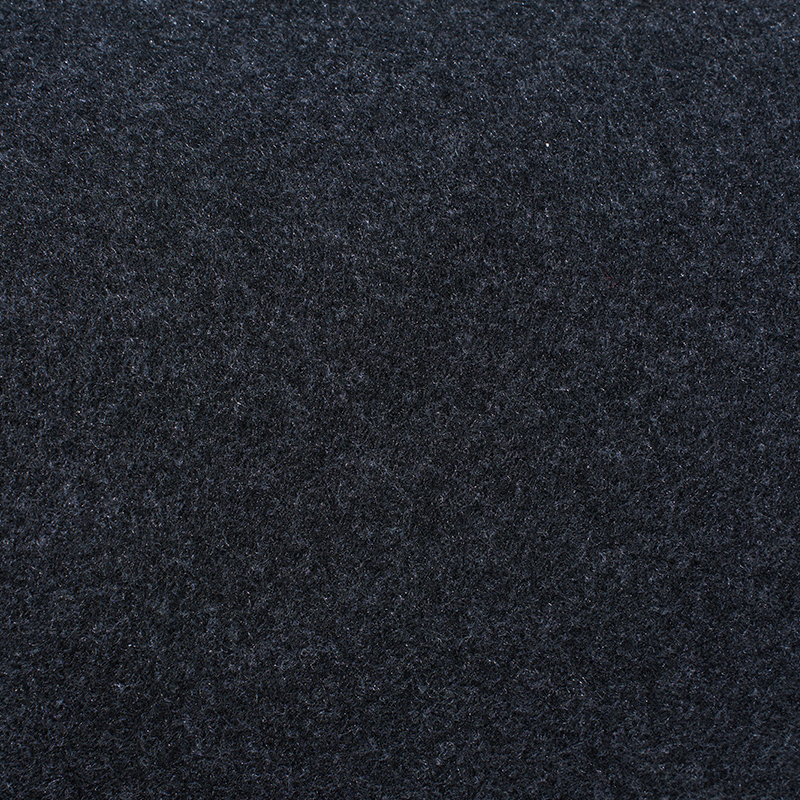
Sustainable development nonwoven fabric also connects directly with felt production. The process of creating felt non woven fabric often reduces the use of chemical binders, relying instead on mechanical fiber bonding. This energy-conscious approach enhances the material’s suitability for projects where ecological responsibility is emphasized. Applications in packaging, automotive insulation, and construction materials illustrate how felt non woven fabric contributes to solutions that balance performance with sustainable practice.
Cotton nonwoven fabric represents another adaptation of the nonwoven category. When combined with needle punching, cotton fibers provide a fabric that is soft, breathable, and comfortable while maintaining structural reliability. In hygiene products, filters, and household items, cotton-based felt non woven fabric adds natural fiber properties to products designed for daily use. Blending cotton with synthetic fibers further extends the range of applications, enabling a balance of softness and resilience.
Hydrophilic non woven fabric demonstrates how functional treatments enhance the adaptability of felt structures. These hydrophilic versions retain the toughness of felt while adding moisture management capabilities, creating materials that serve both technical and consumer-focused industries.
Nonwoven felt sheets provide another significant use for felt non woven fabric. Their dense structure and uniform appearance make them suitable for acoustic insulation, automotive interiors, protective padding, and decorative applications. In industries where stability and form are essential, nonwoven felt sheets present consistent performance, offering design flexibility while maintaining a professional finish.
The selection of materials plays a critical role in shaping the characteristics of felt non woven fabric. Options such as polyester, polypropylene, cotton, or blends can be adapted to meet specific requirements for durability, softness, or absorbency. This ability to fine-tune properties ensures that felt non woven fabric maintains relevance across diverse industries while supporting innovation in new product development.
Market activity reflects steady demand for felt non woven fabric in areas such as apparel, healthcare, automotive, and agriculture. Its compatibility with GRS nonwoven fabric, sustainable development goals, cotton-based products, hydrophilic treatments, and nonwoven felt sheet applications underscores its broad relevance. Industry observers note that its balance of adaptability and reliability ensures continued integration into both consumer and industrial supply chains.
Although felt non woven fabric often operates as a hidden component within finished goods, its impact is significant. By providing strength, comfort, and flexibility, it enhances the function of end products while supporting sustainable material choices. Its role within categories such as GRS nonwoven fabric, cotton nonwoven fabric, hydrophilic non woven fabric, and nonwoven felt sheet illustrates the depth of its contribution to modern textile applications.