

 English
 Español
 عربى
عربى

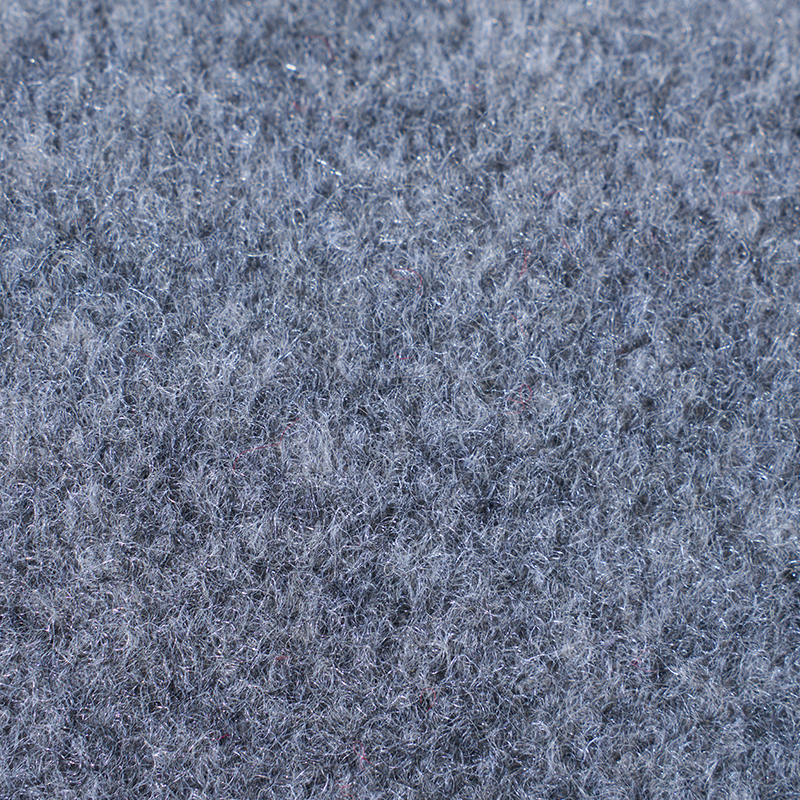
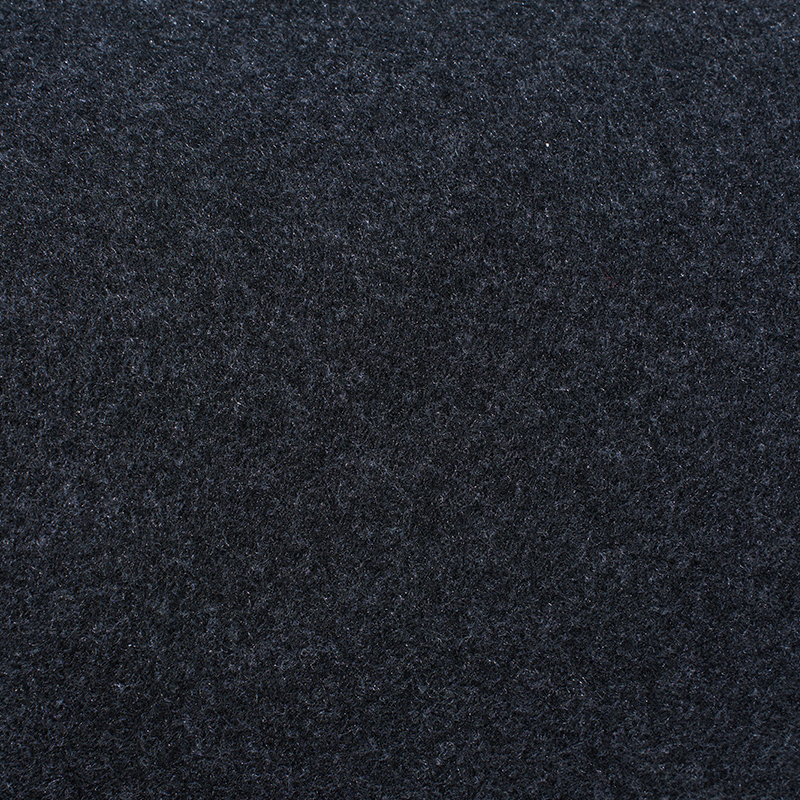
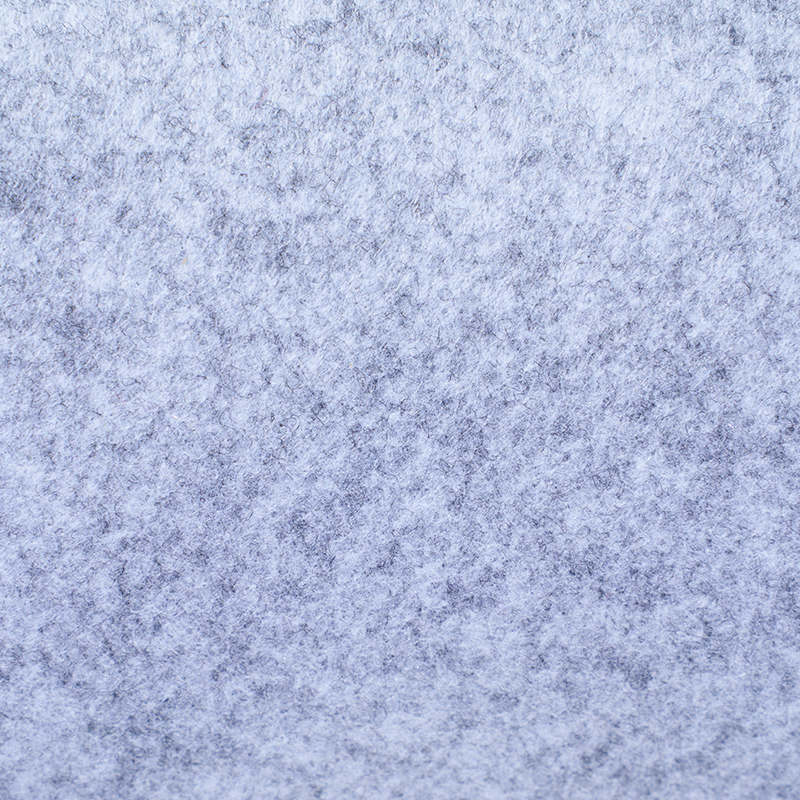
Needle punched non woven fabric has developed into a material of growing importance within both textile and industrial fields. Formed through a mechanical process where barbed needles entangle fibers into a cohesive structure, it offers durability and adaptability without relying on weaving or knitting. This manufacturing method allows for a wide range of thicknesses and densities, making the fabric useful for applications that demand flexibility while maintaining consistency.
One of the most notable directions for needle punched non woven fabric is its role in GRS non-wove fabric. The Global Recycled Standard ensures that recycled fibers are incorporated responsibly into production, and needle punching provides a suitable method for creating fabrics that retain structural integrity while utilizing recycled input. This not only supports recycling initiatives but also aligns with the growing demand for environmentally responsible supply chains. The ability of needle punched fabrics to adapt to recycled fiber blends enhances their relevance across diverse industries.
Sustainable development nonwoven fabric also highlights the importance of needle punched production. The process typically avoids heavy reliance on chemical adhesives, which lowers environmental impact while preserving performance. This makes needle punched non woven fabric attractive for projects where ecological considerations must be balanced with technical needs. The emphasis on reducing environmental impact while maintaining functionality ensures that needle punched fabrics continue to contribute to sustainable development goals.
Cotton nonwoven fabric adds another perspective on how natural fibers integrate with needle punched processes. Cotton, valued for its softness and breathability, combines with the mechanical stability of nonwoven structures to produce fabrics suitable for hygiene products, apparel linings, and filtration materials. This combination ensures both comfort and reliability, giving users access to products that serve daily needs while maintaining long-term performance. Blends of cotton with synthetic fibers further extend the range of uses by balancing natural comfort with durability.
Hydrophilic non woven fabric demonstrates how functionality can be enhanced through treatments and material selection. Needle punched fabrics with hydrophilic properties manage moisture effectively, making them suitable for wipes, absorbent pads, and medical dressings.
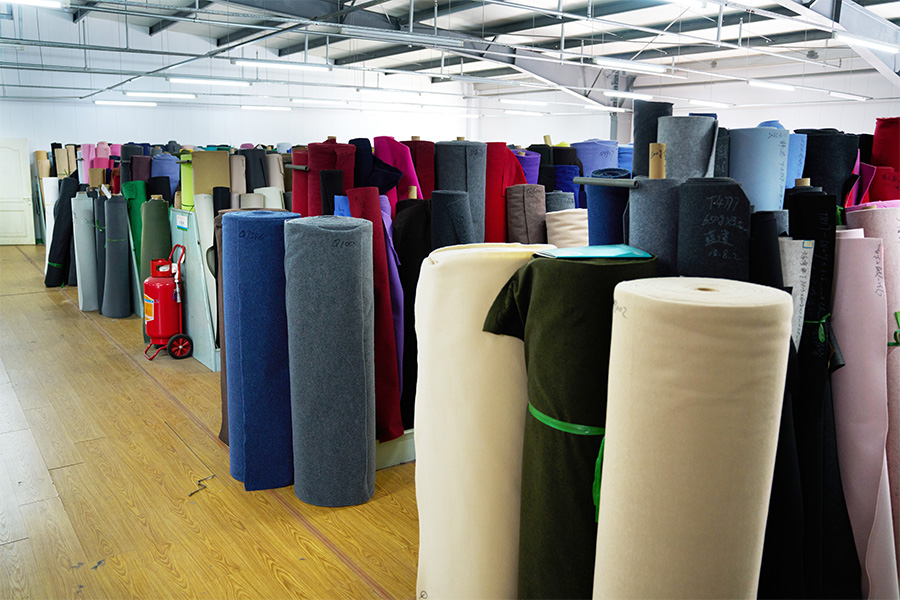
Nonwoven felt sheets represent one of the most recognizable outcomes of needle punched technology. Dense and uniform, these sheets are widely used in applications requiring sound absorption, thermal resistance, and cushioning. They are common in automotive components, furniture padding, construction projects, and protective packaging. Their stability and adaptability show how needle punched processes produce reliable materials that serve as functional layers in a wide variety of products.
The choice of raw materials strongly influences the performance of needle punched non woven fabric. Polyester and polypropylene are often used for durability and resistance to wear, while viscose and cotton introduce softness and absorbency. By blending different fibers, manufacturers can fine-tune characteristics to meet specific requirements.
Market observations suggest that needle punched non woven fabric maintains steady growth in demand across multiple sectors. Its compatibility with GRS nonwoven fabric, sustainable development initiatives, cotton-based options, hydrophilic adaptations, and nonwoven felt sheet applications demonstrates its capacity to serve a wide range of industries.
Although needle punched non woven fabric may often remain an unseen component within finished goods, its influence is substantial. Its integration into various forms such as cotton nonwoven fabric, hydrophilic non woven fabric, and nonwoven felt sheets highlights the interconnected nature of textile development.