

 English
 Español
 عربى
عربى

What Do Users Expect from Needle Punched Non Woven Fabric?
Among professional users in filtration, construction, and automotive fields, one common question arises: Can Needle Punched Non Woven Fabric provide a better balance between strength and breathability than other non-woven materials? Many end users are also asking: Is this fabric flexible enough for high-stress applications such as road reinforcement or industrial filtration systems?
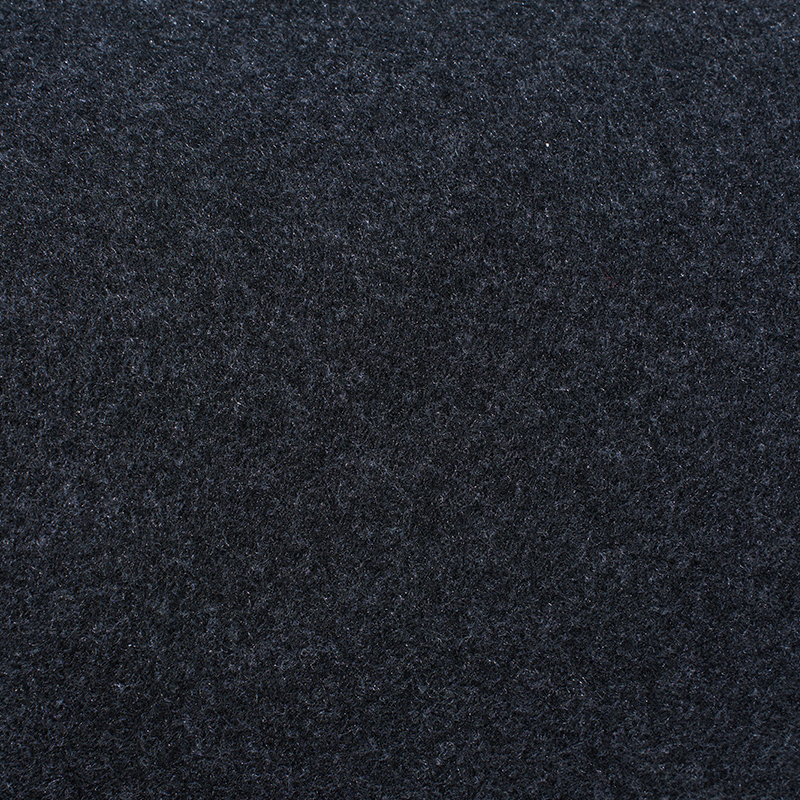
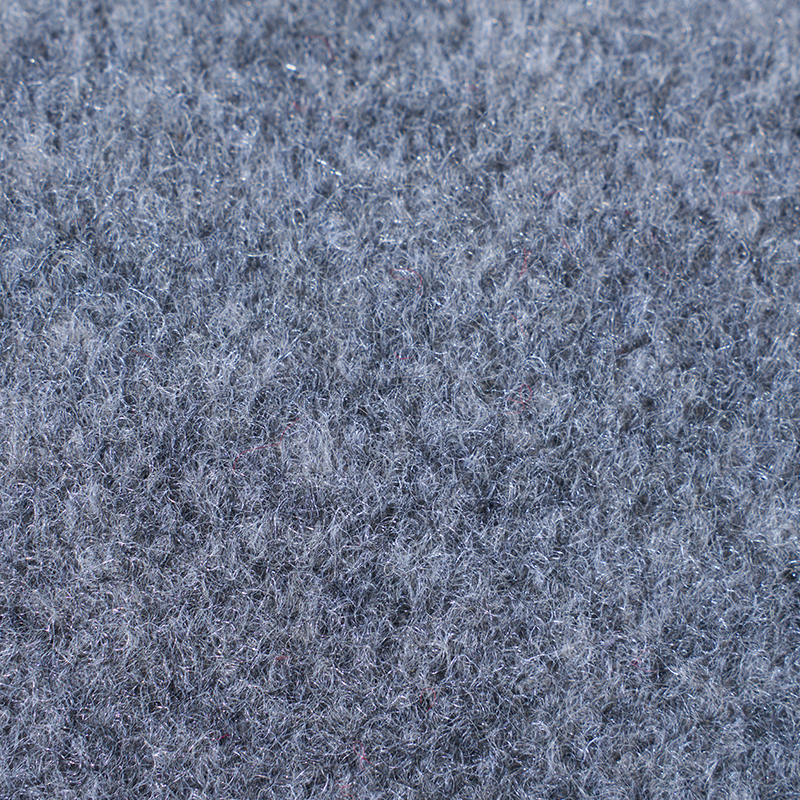
The growing variety of applications—from roof liners and geotextiles to air and liquid filters—shows that users value its mechanical stability and versatility. Its dense fiber structure offers good tensile strength and resistance to tearing, making it a popular choice for projects requiring long service life and consistent performance.
Needle Punched Non Woven Fabric Market Performance Compared to Other Materials
The global market for non-woven materials continues to expand, reaching over USD 70 billion in overall size, while the segment for needle-punched fabrics alone is estimated around USD 4 billion. Analysts project growth of about 5–6 % annually, reflecting rising demand in construction, filtration, and automotive interiors.
Compared with spunbond and melt-blown fabrics, Needle Punched Non Woven Fabric typically offers greater thickness and better dimensional stability. For instance, in filtration applications, it can achieve air permeability rates up to 2500 L/m²/s, which users find suitable for high-efficiency filters. In geotextile use, heavier grades of 10–12 oz per square yard provide higher puncture resistance and better water flow control than lighter alternatives. These measurable advantages explain the increasing preference for needle-punched materials in infrastructure and environmental projects.
Sustainability Questions from the User Community
Today’s buyers and project managers frequently ask: Is Needle Punched Non Woven Fabric environmentally responsible? The material’s recyclability depends on fiber type and resin composition, yet progress is evident. Many manufacturers now employ recycled polyester or natural fibers to reduce environmental impact.
Users also explore how much of the total fiber content can come from post-consumer or industrial waste without affecting product strength. Testing data show that blends containing up to 30 % recycled content maintain most performance indicators, suggesting that sustainability goals and durability can coexist.
Another key question is how long the product can maintain performance under sunlight, moisture, or mechanical stress. In construction applications, UV-stabilized versions demonstrate durability beyond five years under continuous outdoor exposure, a figure that compares well against conventional woven fabrics.
Challenges and Opportunities for Needle Punched Non Woven Fabric Producers
From a production standpoint, uniform density and fiber distribution remain critical factors influencing quality. Users report that variations in fiber length or moisture can lead to irregular surfaces or weak bonding points. Technical improvements such as precision needle looms and automated fiber feeding have helped manufacturers minimize these defects.
In terms of cost performance, the price of Needle Punched Non Woven Fabric is typically 10–15 % higher than standard spunbond alternatives but provides longer service life and improved structural integrity. For many users, this trade-off results in lower lifetime cost, particularly in construction and automotive applications where maintenance reduction is valuable.
Market competition is also driving diversification. Lightweight variants under 200 g/m² are now used in filtration, while heavy-duty grades above 600 g/m² are applied in drainage and erosion control. Such segmentation allows users to choose materials that best fit their specific operational needs.
Conclusion
The term Needle Punched Non Woven Fabric now represents a versatile and evolving material category that balances mechanical strength, adaptability, and environmental responsibility. Market growth, continuous technical refinement, and expanding end-user interest all point toward sustained momentum.