

 English
 Español
 عربى
عربى

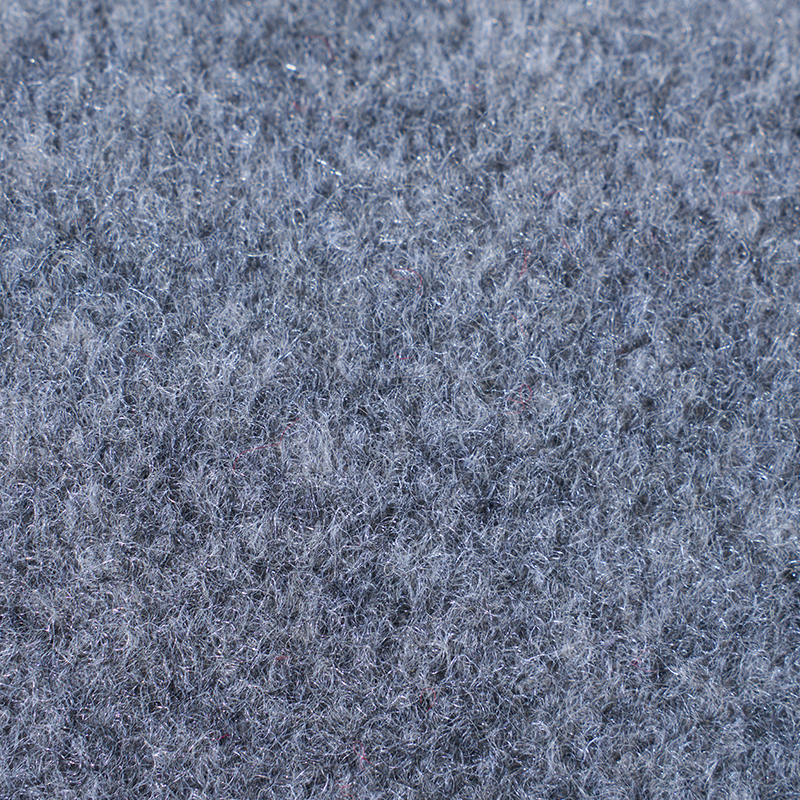
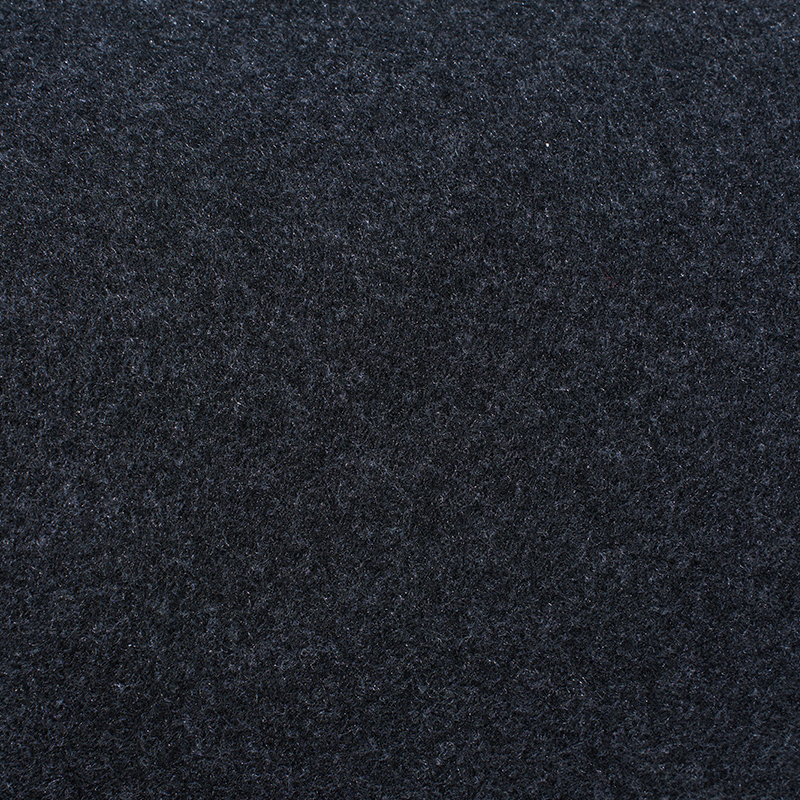
Among the many roles that felt materials play in industry, two functions stand out for their frequency and importance: polishing and sealing. These applications rely on the unique physical properties of felt, including controlled surface texture, compressibility, and fiber structure. Felt Products designed for polishing help achieve smooth finishes on metals and other surfaces, while sealing felt prevents the passage of dust, oil, and air.
Polishing Felt for Surface Finishing
Polishing felt is made from densely needled wool or synthetic fibers that hold abrasive compounds evenly across their surface. When mounted on rotating wheels or flat pads, these Felt Products apply consistent pressure to workpieces. The fiber structure creates micro-cutting actions that remove fine scratches and bring surfaces to a uniform shine. Common polished items include stainless steel sheets, aluminum extrusions, glass edges, and plastic lenses. The felt’s ability to conform to curved or irregular shapes makes it useful for both flat surfaces and contoured parts.
How Polishing Felt Differs from Other Abrasives
Unlike sandpaper or grinding wheels, polishing felt does not have fixed abrasive grains embedded throughout its thickness. Instead, operators apply loose abrasive paste or slurry to the felt surface. As the felt rotates or moves against the workpiece, the fibers hold the abrasive in place and control its cutting depth. This produces a smoother result than many other methods. Felt Products for polishing are available in different hardness levels: softer felt for final finishing and harder felt for material removal. Users can switch felt grades as they move from coarse to fine polishing steps.
Sealing Felt for Dust and Oil Control
In mechanical systems, sealing felt prevents contaminants from entering sensitive areas. A felt seal placed around a rotating shaft or sliding rod will block dust while allowing slight oil seepage for lubrication. These Felt Products are compressed between two surfaces, creating a barrier that conforms to minor surface irregularities. Unlike rubber seals, felt does not require precise groove dimensions to work effectively. Felt seals also tolerate small amounts of shaft misalignment without leaking. Typical applications include gearbox input shafts, hydraulic cylinder rods, and linear guide rails.
Compressibility and Recovery in Sealing Applications
A successful felt seal depends on the material’s ability to compress under load and recover when the load is removed. Felt Products made for sealing have engineered density and fiber orientation to maintain contact pressure over time. If the felt is too soft, it will not block dust effectively. If too hard, it may increase friction or wear on moving parts. Manufacturers provide specifications for compression percentage and recovery rate, helping engineers select the correct felt grade for each sealing gap. Felt seals also absorb small amounts of oil, which reduces friction and extends the life of adjacent components.
Combined Polishing and Sealing in One Product
Some situations call for a single felt component to perform both polishing and sealing roles. For example, in certain finishing machines, a felt wheel polishes a part while its side surface acts as a dust seal for the spindle bearing. Similarly, a felt strip applied to the edge of a sliding door can both clean the track (polishing action) and block debris from entering the mechanism (sealing action). These dual-purpose Felt Products reduce the number of parts needed in an assembly. Designers who understand both functions can identify opportunities to simplify their machines.
Selection Considerations
When choosing felt for polishing, prioritize surface consistency and abrasive retention. When choosing felt for sealing, focus on density, thickness tolerance, and oil absorption. Suppliers offer specification sheets that indicate which Felt Products are suited to each role. Testing a sample under actual operating conditions is a practical way to confirm performance. With proper selection, felt provides a reliable solution for both polishing and sealing needs across a wide range of equipment.