

 English
 Español
 عربى
عربى

Many people encounter feelings in two very different contexts: heavy-duty industrial environments and creative craft rooms. While both use similar fiber-based construction, the intended purpose shapes every aspect of production. Understanding the differences between these categories of Felt Products helps buyers choose the right material for their specific project. This article compares industrial and craft felt across several important characteristics.
Fiber Composition and Density
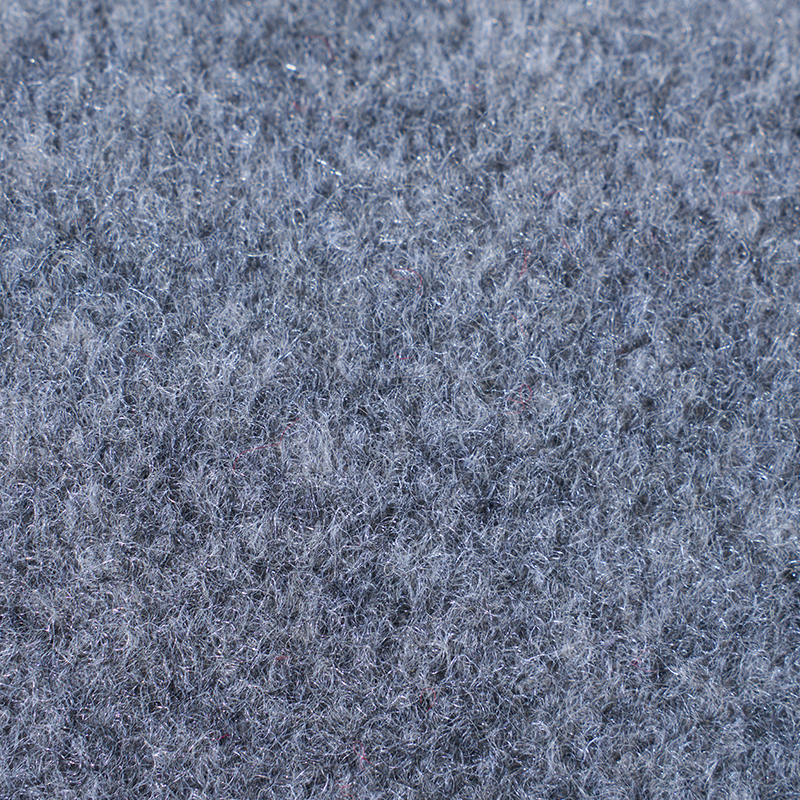
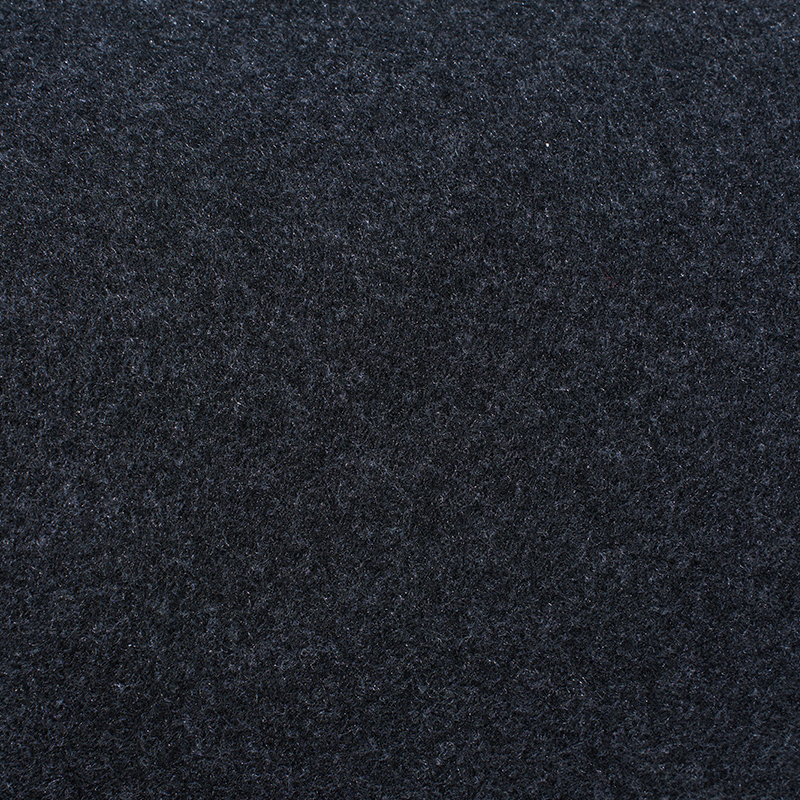
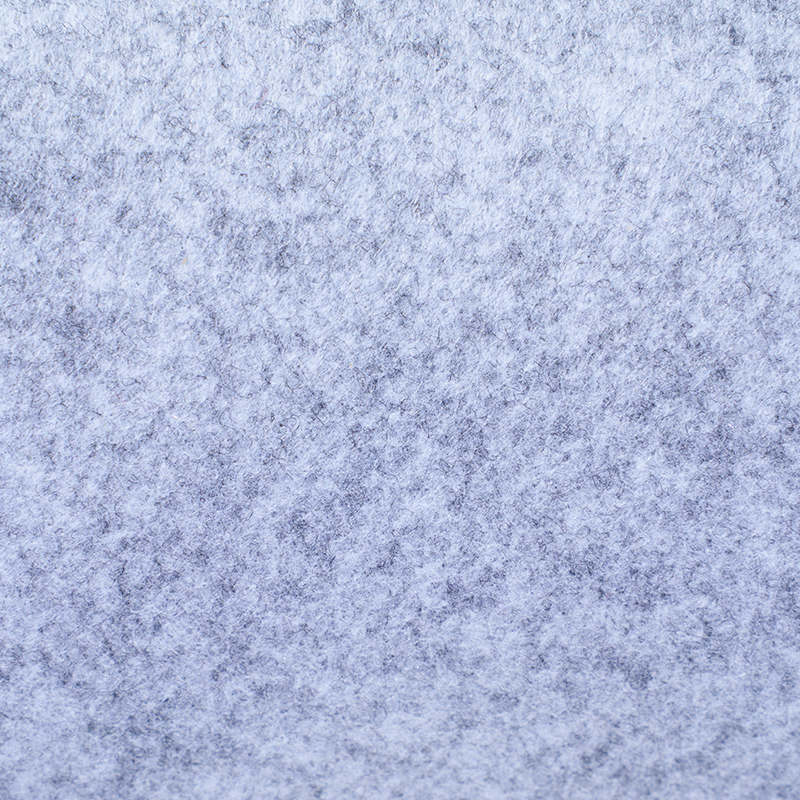
Industrial felt is typically made from wool, synthetic fibers such as polyester or polypropylene, or blends of both. The fibers are densely packed and mechanically interlocked through needle-punching or wet-felting processes. This results in Felt Products with high density and controlled stiffness. Craft felt, in contrast, often uses lower-density fiber webs and may rely on adhesive bonding rather than full mechanical interlocking. Craft felt is softer to the touch and easier to cut with scissors, but it lacks the structural strength of industrial grades.
Performance Standards and Testing
Industrial felt must meet defined specifications for properties such as hardness, compression recovery, and oil resistance. Manufacturers test Felt Products intended for machinery or vehicle use under load to confirm they return to original thickness after repeated compression. Other tests measure abrasion resistance and heat stability. Craft felt does not typically undergo such testing. Instead, craft felt is evaluated for color consistency, edge fraying, and ease of hand-sewing. The absence of strict mechanical standards means craft felt should not be used in load-bearing or sealing applications.
Common Applications for Each Type
Industrial Felt Products appear in settings where reliability matters. Examples include vibration-damping pads under heavy equipment, polishing wheels for metal finishing, and seals around moving parts. Industrial felt also serves as a wicking material in oil lubrication systems. Craft felt is found in completely different environments: stuffed toys, holiday decorations, school projects, and costume accessories. A person making a felt animal or a greeting card will find craft felt suitable, while a factory maintenance team would choose industrial felt for equipment repairs.
Cost and Availability
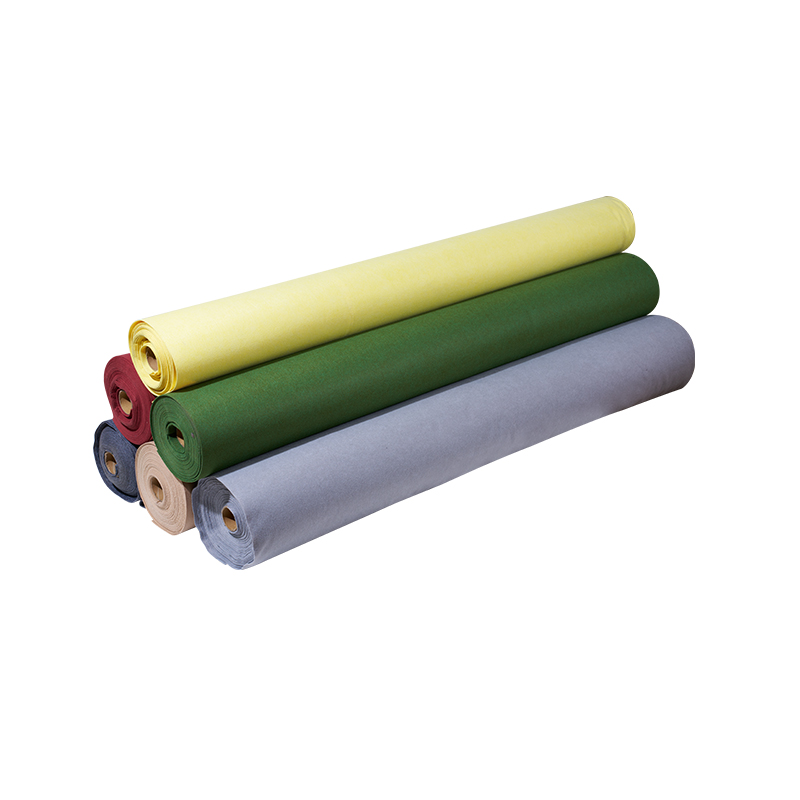
Craft felt is widely available in small sheets, assorted colors, and thin thicknesses. It is sold in retail stores and online in quantities suitable for home use. Industrial Felt Products are more often sold through specialized suppliers in larger units such as rolls, strips, or custom die-cut shapes. The price difference reflects the density, testing, and consistency required for industrial use. Buyers who need only a small piece for a non-critical task may find craft felt sufficient, but any application involving friction, heat, or mechanical stress requires industrial grades.
How to Make the Right Choice
Before purchasing felt, consider the operating conditions. Will the material be compressed repeatedly? Will it contact oil or solvents? Does it need to hold a precise thickness over time? If the answer to any of these questions is yes, then industrial Felt Products are the appropriate choice. If the felt is for decoration, temporary use, or non-load-bearing handiwork, craft felt will work well and cost less. Some suppliers offer sample packs that allow buyers to feel the difference in density and firmness before placing larger orders.
Selecting the correct felt category prevents premature failure and unnecessary expense. Industrial felt delivers durability and predictable performance under stress. Craft felt provides color variety and softness for artistic projects. Recognizing the distinction between these two classes of Felt Products leads to better outcomes, whether you are designing a machine or making a handmade gift.